Our History
Pheasants Coming to The United States
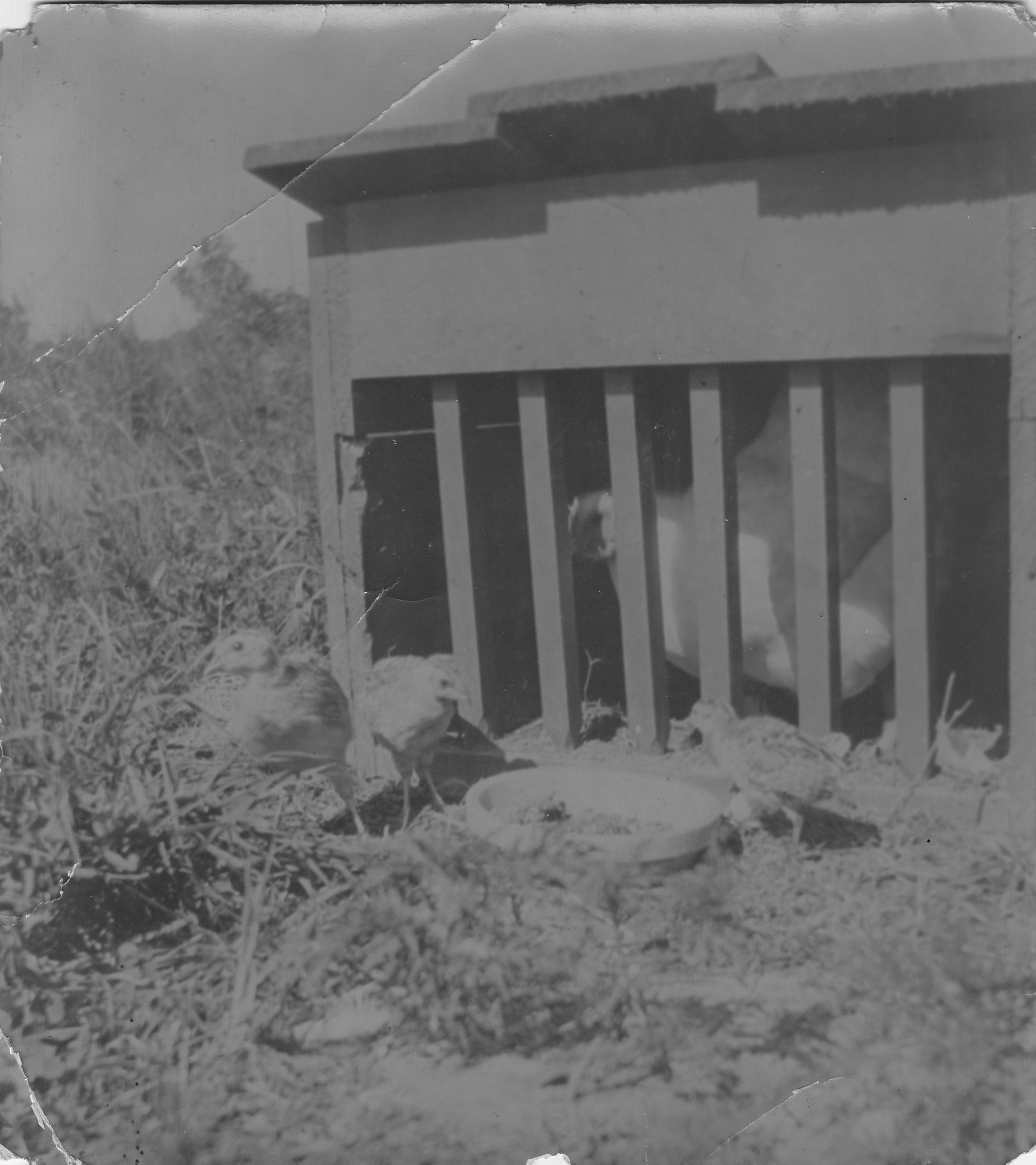
The first pheasants were brought to the United States from Great Britain in the late 1800’s, and shipments of eggs continued to be brought here into the early 1900’s. It was soon discovered that pheasants thrived here.
Increased Demand for Propagation

By the 1920’s, pheasant populations were able to sustain hunting. Thus, pheasant hunting became popular. In the late 1920’s, there was a demand for pheasants for release and propagation.
The Start of a New Chapter
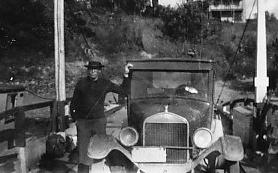
Kenneth MacFarlane learned about a new opportunity that would shape his future. The Game Conservation Society was opening the first gamekeeper’s school in the United States, located in Atlantic City, New Jersey. Sponsored by the DuPont Company, the school was designed to teach students how to raise game birds like pheasants, a practice that had been popular in Scotland and England for more than 400 years but was still new to America.
Kenneth was one of just 25 men selected nationwide to attend this pioneering program.
According to a 1927 Janesville Gazette article, “Most graduates of the University School of Agriculture used to become scientific farmers; now some may become gamekeepers. Kenneth MacFarlane of Janesville… has decided to follow the honorable career of many of his Scotch countrymen, that of a gamekeeper on a large estate.”
Kenneth’s Return to Wisconsin
After completing his studies, Kenneth MacFarlane stayed on as an instructor at the gamekeeper’s school for about a year before returning to Wisconsin to work for the Wisconsin Conservation Commission. It didn’t take long, however, for his entrepreneurial spirit to take flight.
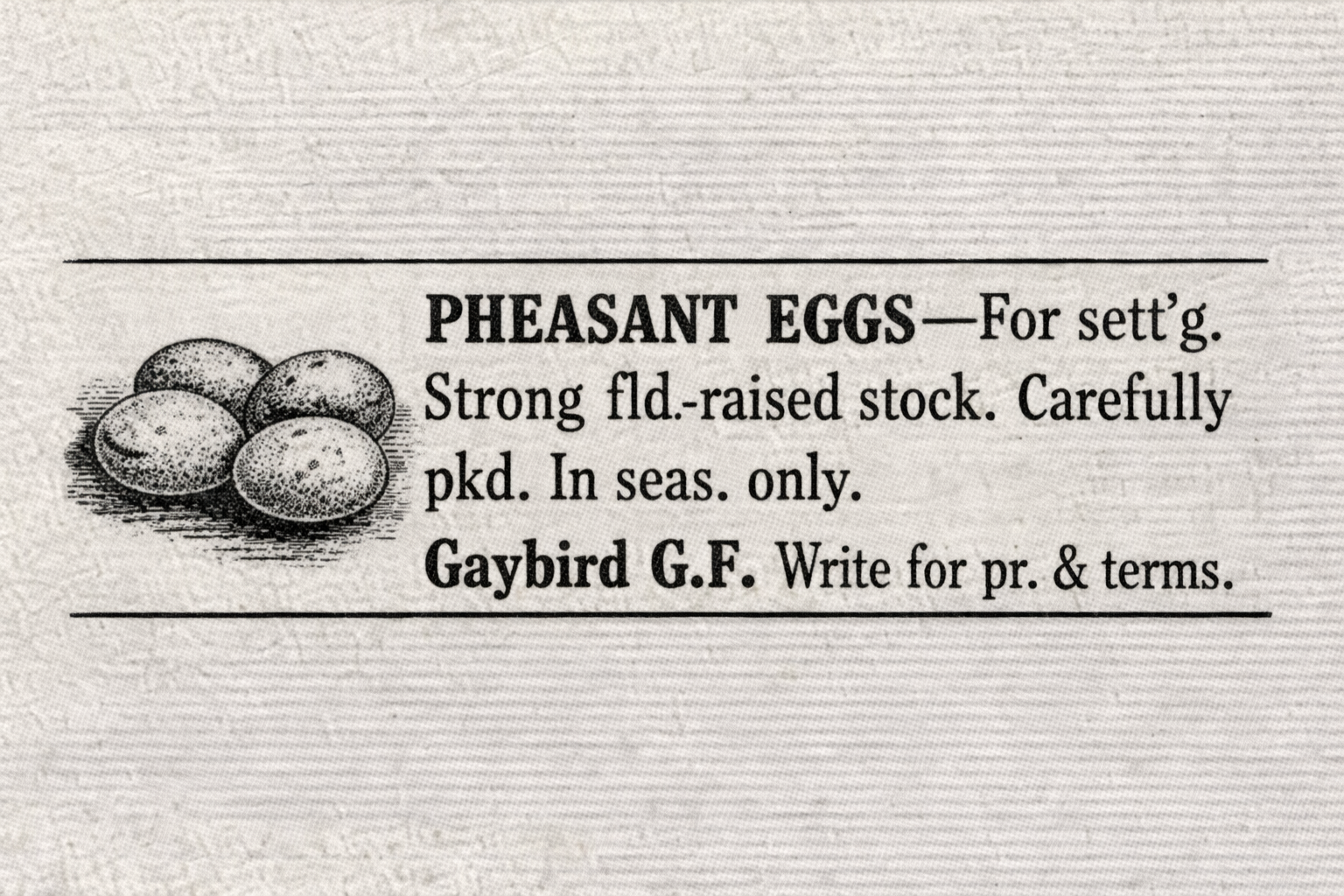
In 1928, Kenneth imported eggs from Gaybird Game Farm in England.
MacFarlane Pheasant Farm Is Founded
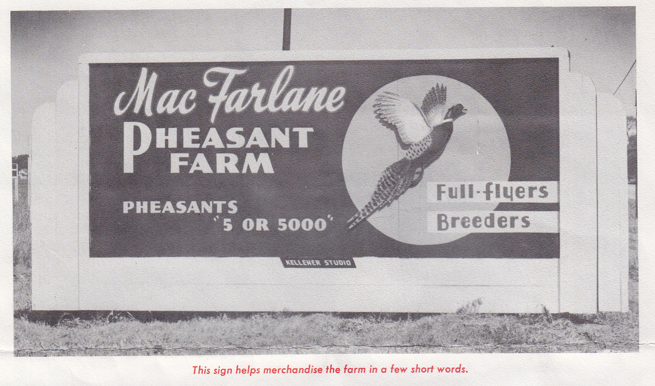
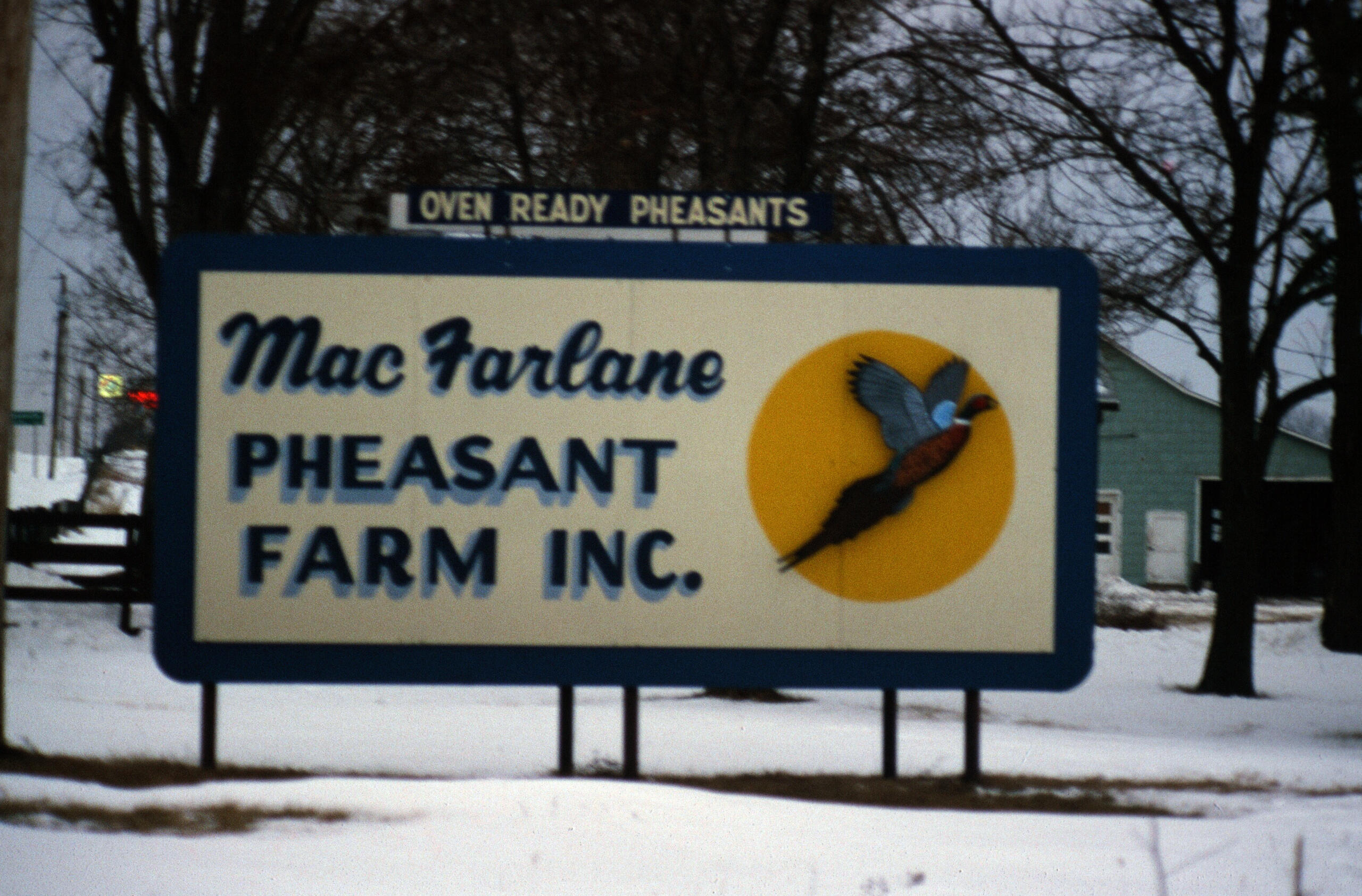

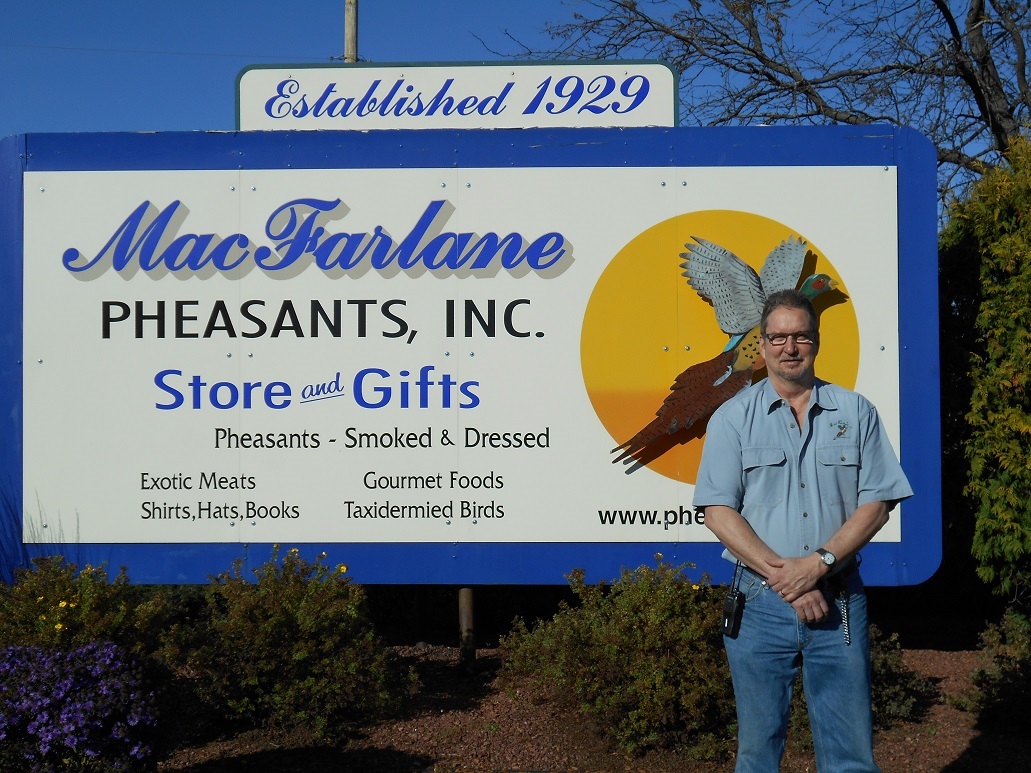
Over the years, as the farm’s offerings changed, so did our signage. Above you can see the evolution of our sign throughout the years.
Drawing on what he had learned, and with a small group of pheasants he brought home from his training program, Kenneth decided to start a business of his own. In 1929, he founded MacFarlane Pheasant Farm in Janesville, Wisconsin.
The farm began by raising pheasants for hunt clubs, marking the official start of what would become the largest pheasant farm in North America.
From those first imported birds and humble beginnings, Kenneth’s hands-on education and passion for conservation laid the groundwork for nearly a century of innovation and excellence.
We Built Our First Hatchery
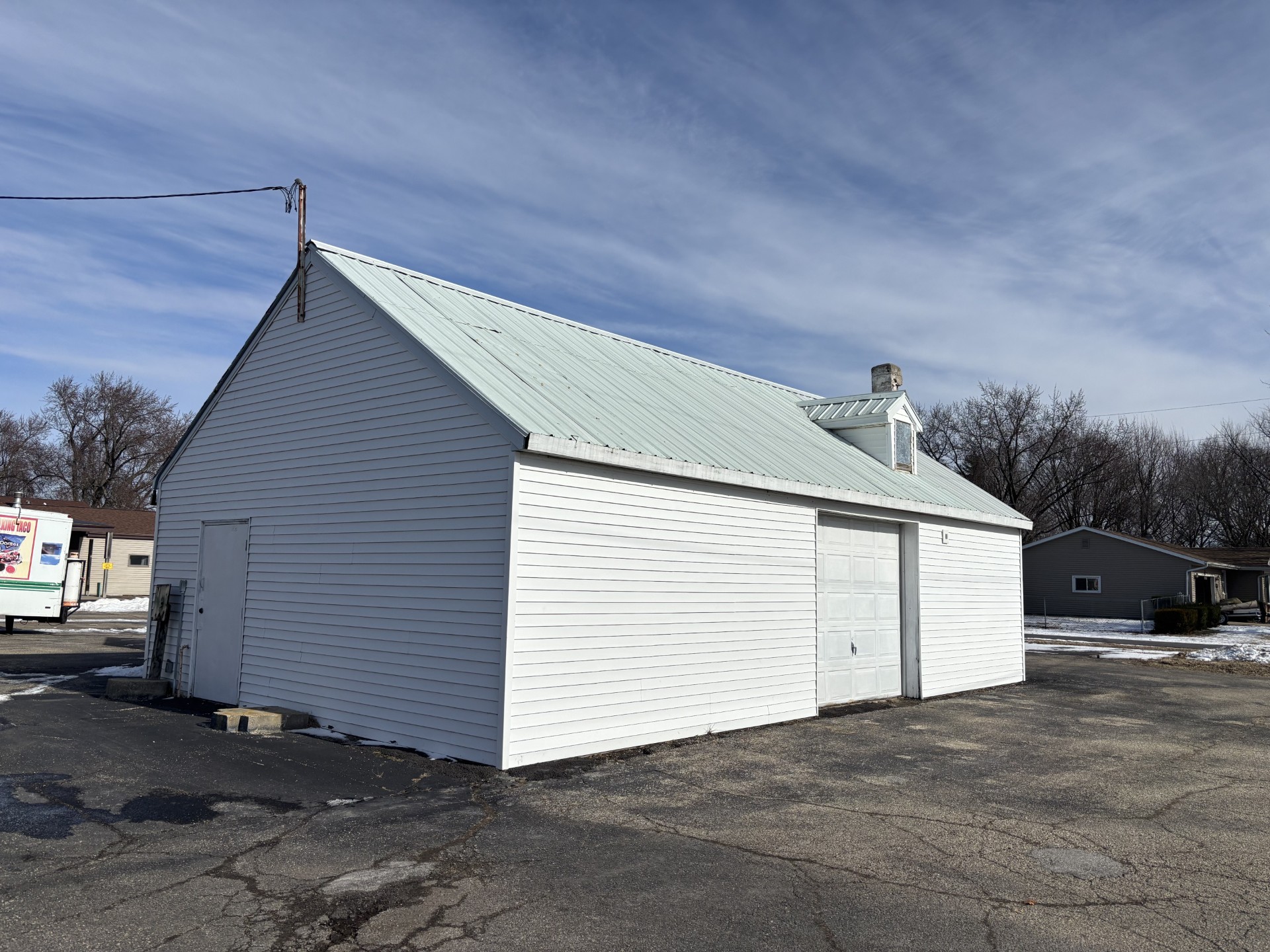
MacFarlane’s first hatchery was built in 1930. This building still stands in the parking lot of our current hatchery in Janesville, WI.
Wisconsin’s Largest Game Farm
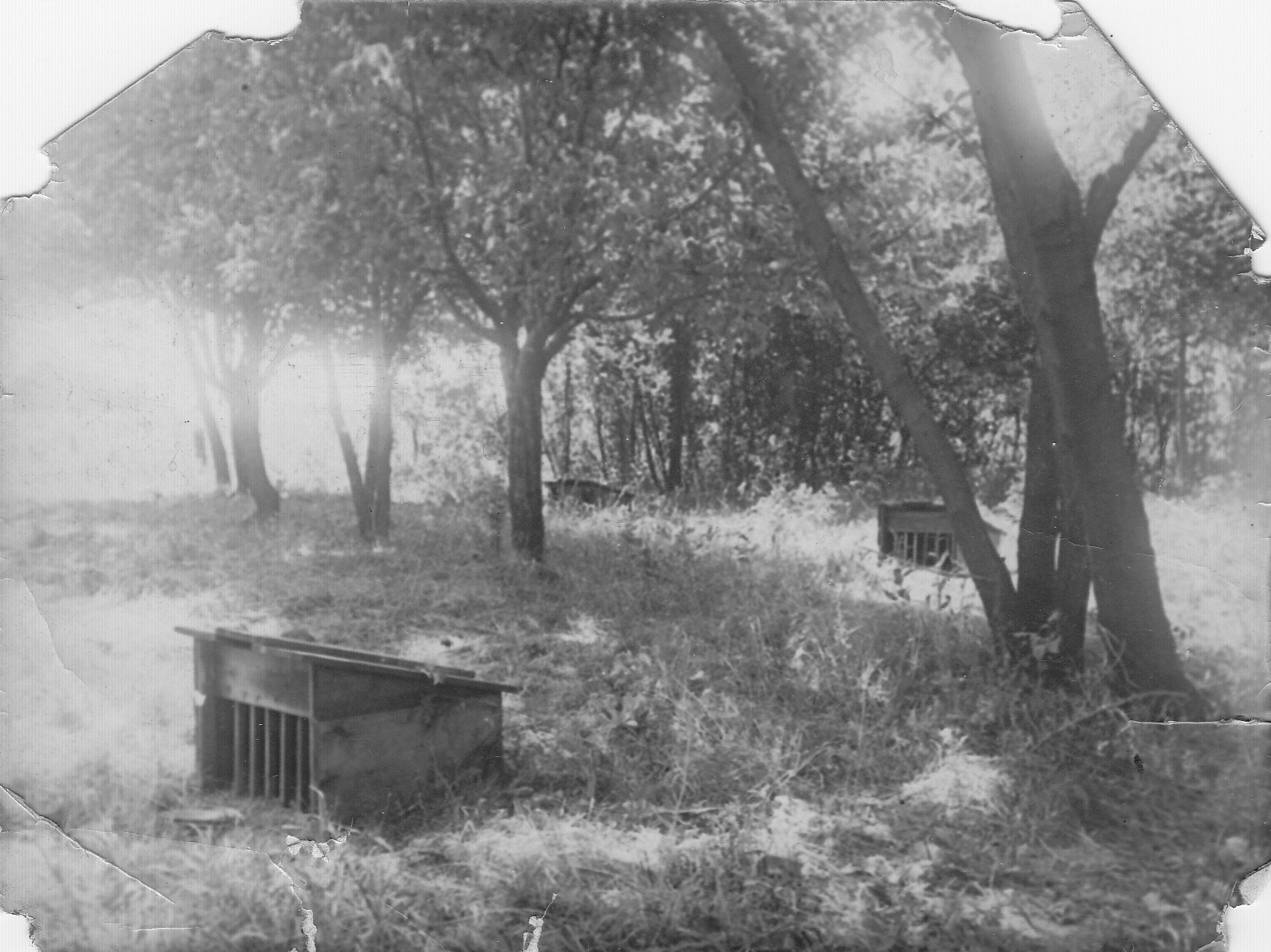
By 1931, just two years after its founding, Kenneth’s dedication and hands-on approach had already transformed MacFarlane Pheasant Farm into Wisconsin’s largest commercial game farm.
Working tirelessly with limited resources, he raised between 2,500 and 3,000 pheasants annually, setting a new standard for game bird production in the state.
A Family Partnership Begins
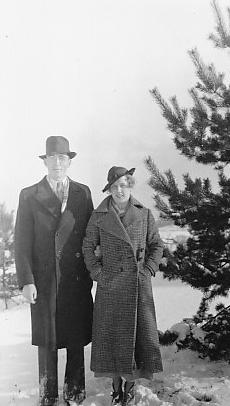
Kenneth’s brother, Donald MacFarlane returned to Wisconsin in 1935 (Donald had been working as a chemical engineer for Standard Oil in New Jersey). Donald worked alongside Kenneth in running the pheasant farm.
A Year of Triumph and Tragedy
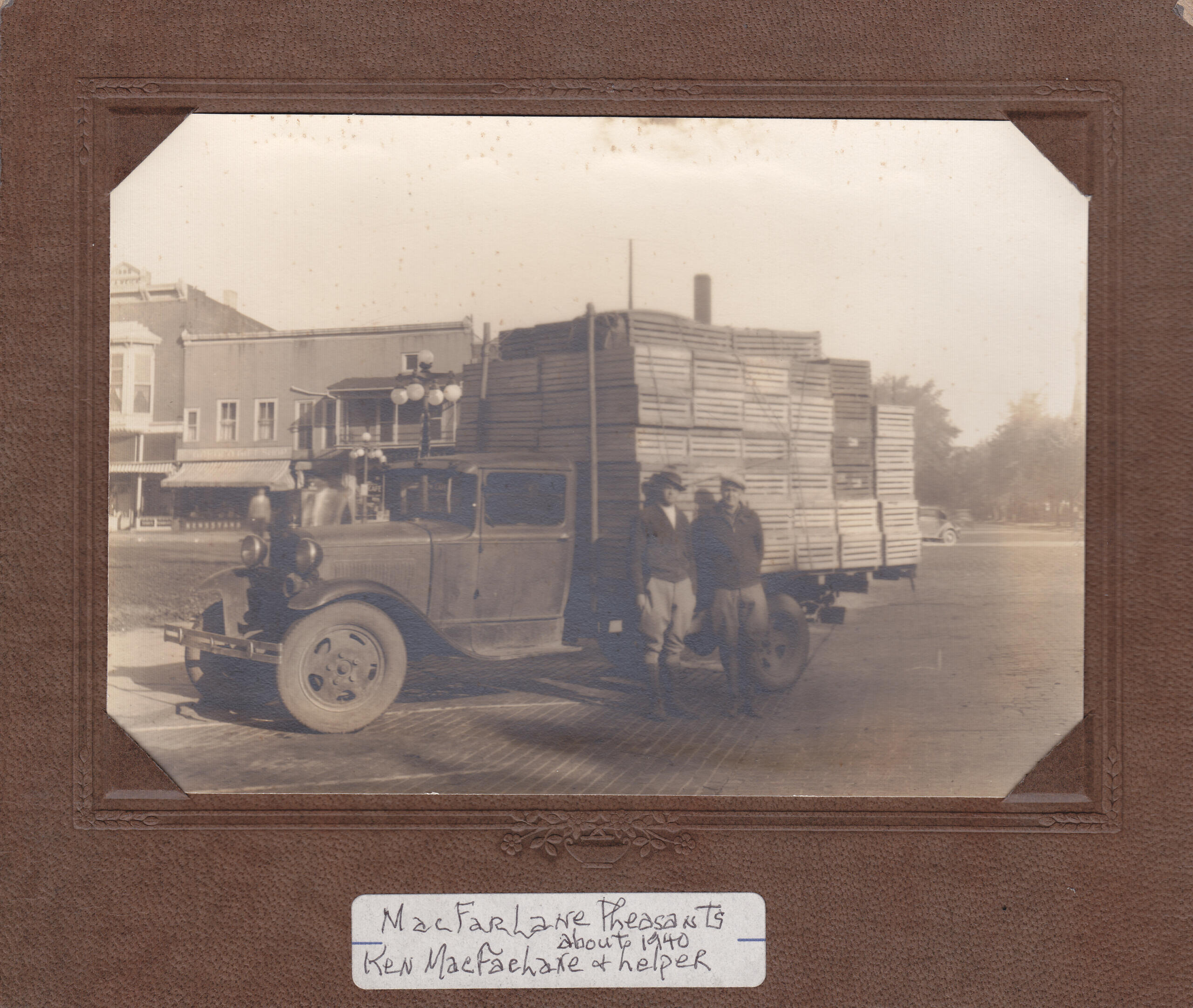
By 1940, MacFarlane Pheasant Farm had grown to include two farm units totaling 270 acres, marketing more than 107,000 pheasants that year, a remarkable accomplishment built on Kenneth’s vision and hard work.
Tragically, that same year, Kenneth’s life was cut short during the Great Armistice Day Storm on November 11, 1940, a devastating blizzard that claimed the lives of 50 hunters across the Midwest. After being thrown from his canoe, Kenneth and his dog managed to swim to shore, but he succumbed to the freezing temperatures later that night. He was just 35 years old.
His passing left a deep void in his family and the pheasant farming community.
Donald Continues the Legacy
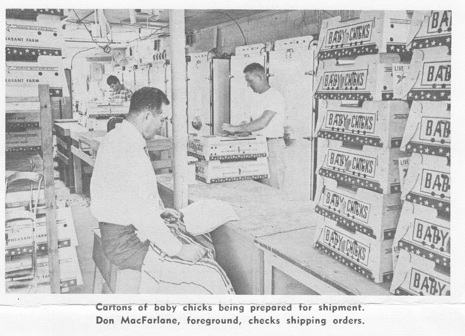
Kenneth’s wife, Gwen, who was widowed with a two-month-old daughter, made the difficult decision to sell the farm to Kenneth’s brother, Donald, ensuring that the business and Kenneth’s legacy would continue.
Donald merged the two operations, creating the foundation for what is now MacFarlane Pheasants, Inc.
Overcoming Adversity
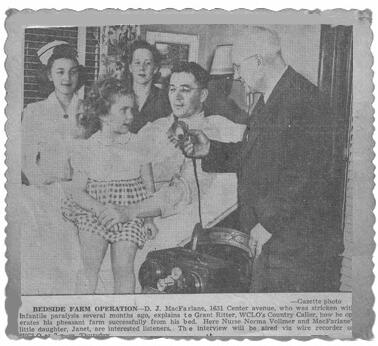
In 1946, Donald MacFarlane’s life changed forever when he contracted polio, leaving him paralyzed from the waist down. What could have ended his career instead became a testament to his determination and ingenuity.
Unable to manage the physical demands of farm work, Donald shifted his focus to building strong client relationships and managing the business side of operations. He spent countless hours writing letters, coordinating orders, and ensuring that MacFarlane Pheasants continued to thrive.
Recognizing the need for help in day-to-day farm operations, Donald turned to his brother-in-law, James Adamson, a World War II veteran recently returned home and seeking new opportunities. Donald invited James to join the business, and together they built a partnership that would shape the farm for decades.
James managed breeding, egg collection, hatchery supervision, brooding, and deliveries, while Donald ran the office and oversaw operations. Their teamwork not only sustained the farm during a challenging time but propelled it forward. James’ dedication and skill played a major role in establishing MacFarlane Pheasants as an industry leader, a legacy that continues today.
A New Home for Growth
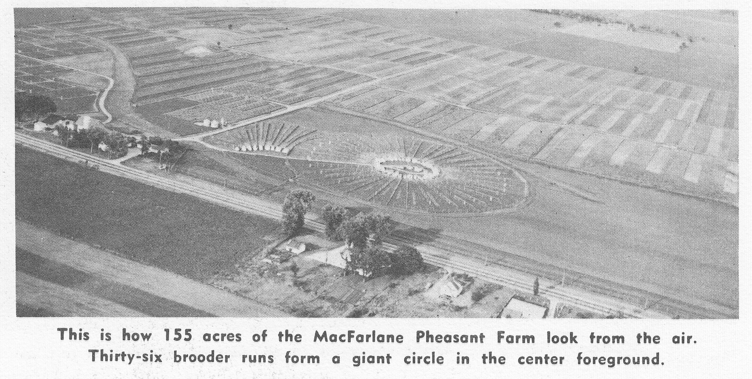
By 1953, MacFarlane Pheasants had outgrown its original site. To support continued expansion and efficiency, the operation moved to 2821 Center Avenue in Janesville, Wisconsin.
The new property provided more space for breeding pens, brooder barns, and the growing number of pheasants being raised each year. The move marked a significant milestone, a new beginning that set the stage for decades of growth and innovation.
A New Generation Is Born
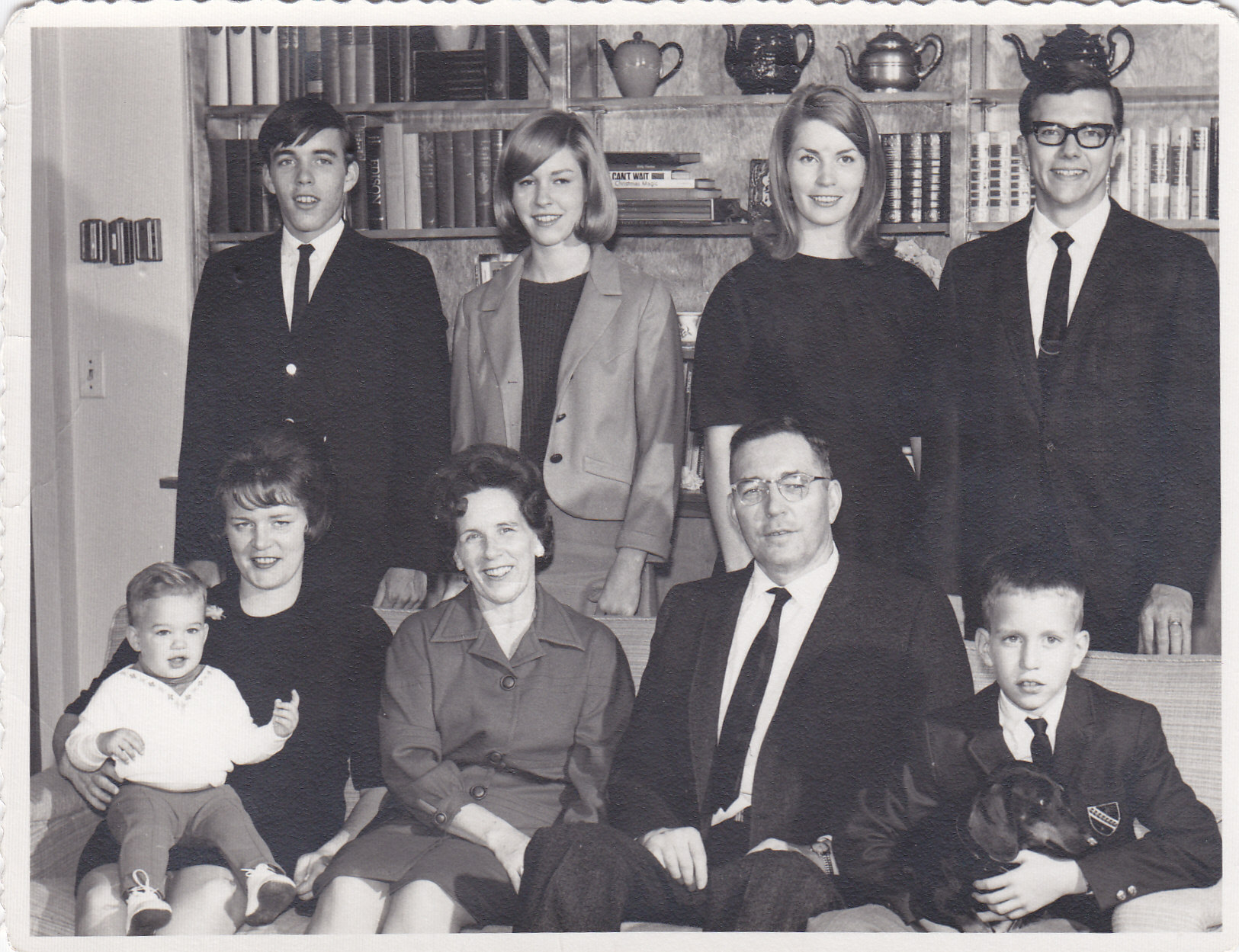
In 1955, at 51 years old, Donald MacFarlane and his wife Genevieve (Gen) welcomed their youngest child, William (Bill) MacFarlane. Bill was the youngest of five children, joining his siblings Marion, Janet, Marj, and Kenneth, and was born on March 14, 1955.
By the time Bill arrived, the MacFarlane farm was thriving at its new home on Center Avenue, where thousands of pheasants were being raised each year. From an early age, Bill was immersed in the day-to-day rhythm of farm life, learning about dedication, stewardship, and innovation from his father and family.
At just eight years old, Bill began helping with chores around the farm. These early experiences shaped his lifelong passion for pheasant farming and planted the seeds of leadership that would guide MacFarlane Pheasants into the future.
Moved Into Our New Hatchery
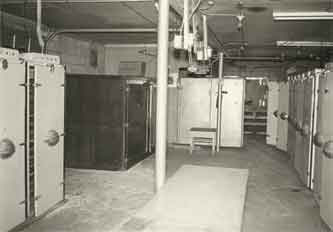
In 1960, we moved into a new hatchery building, which is our current hatchery in Janesville.
Expanding Through Innovation

During the 1960s, the growing ability to ship day-old poultry nationwide opened new opportunities for MacFarlane Pheasant Farm. Donald expanded the breeding side of the business and began large-scale production of day-old pheasant chicks. By the mid-1960s, the farm was producing more than 200,000 chicks each year and shipping them across the country.
While chick production soared, dressed bird production remained limited at around 3,000 birds annually. The farm also continued to raise mature pheasants for sale to hunting preserves and maintained about 200 acres of corn and soybeans to support operations.
It was also during this time that Donald began experimenting with large overhead lights in the pens to simulate longer daylight hours. This innovative approach encouraged hens to start laying eggs earlier in the season, helping MacFarlane Pheasants stay ahead of competitors and setting the stage for future advancements in production efficiency.
Struggling Through Declining Sales
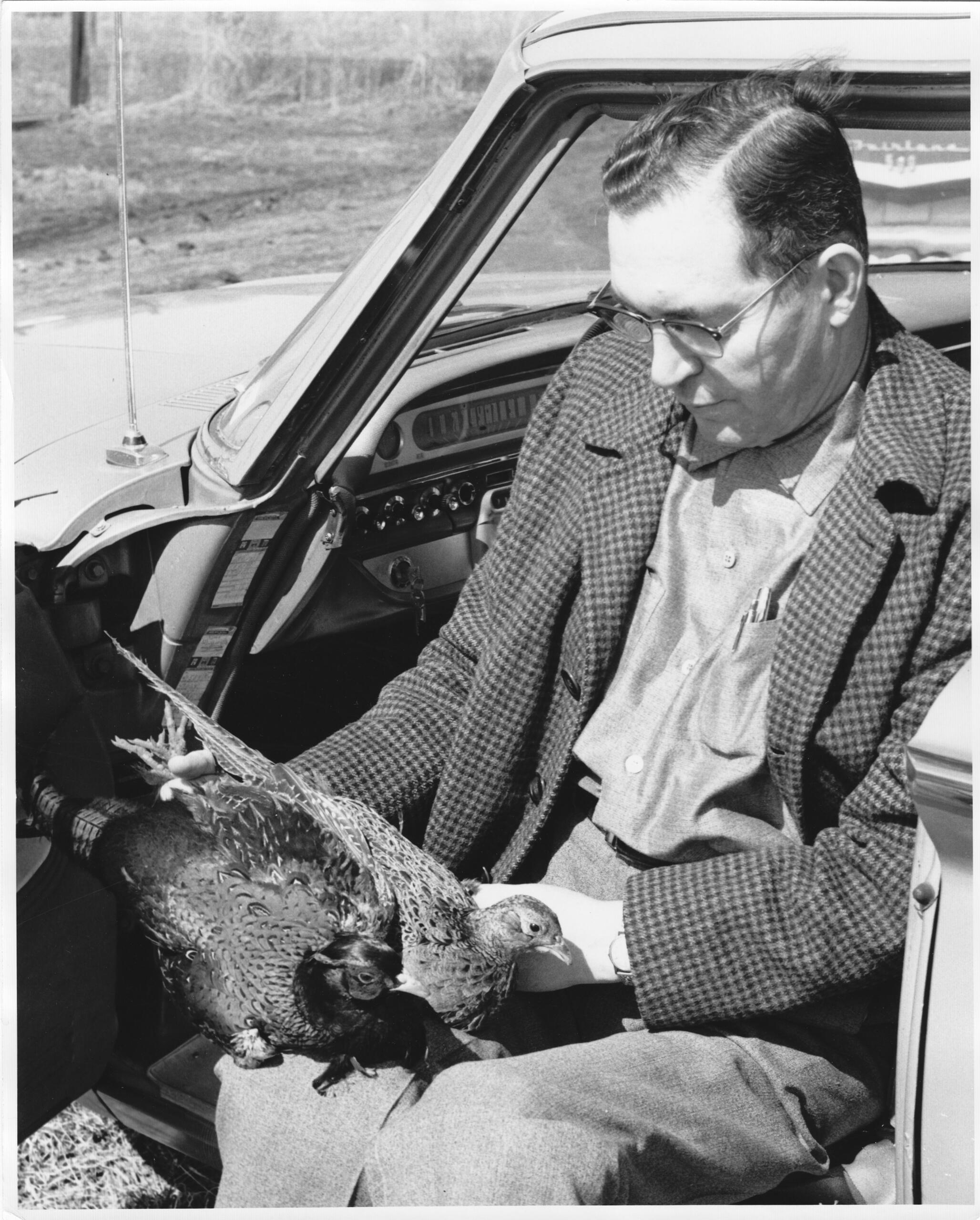
During the 1970s, Donald’s health began to decline, and as a result, farm sales slowed.
1978 Brooder Barn Fire
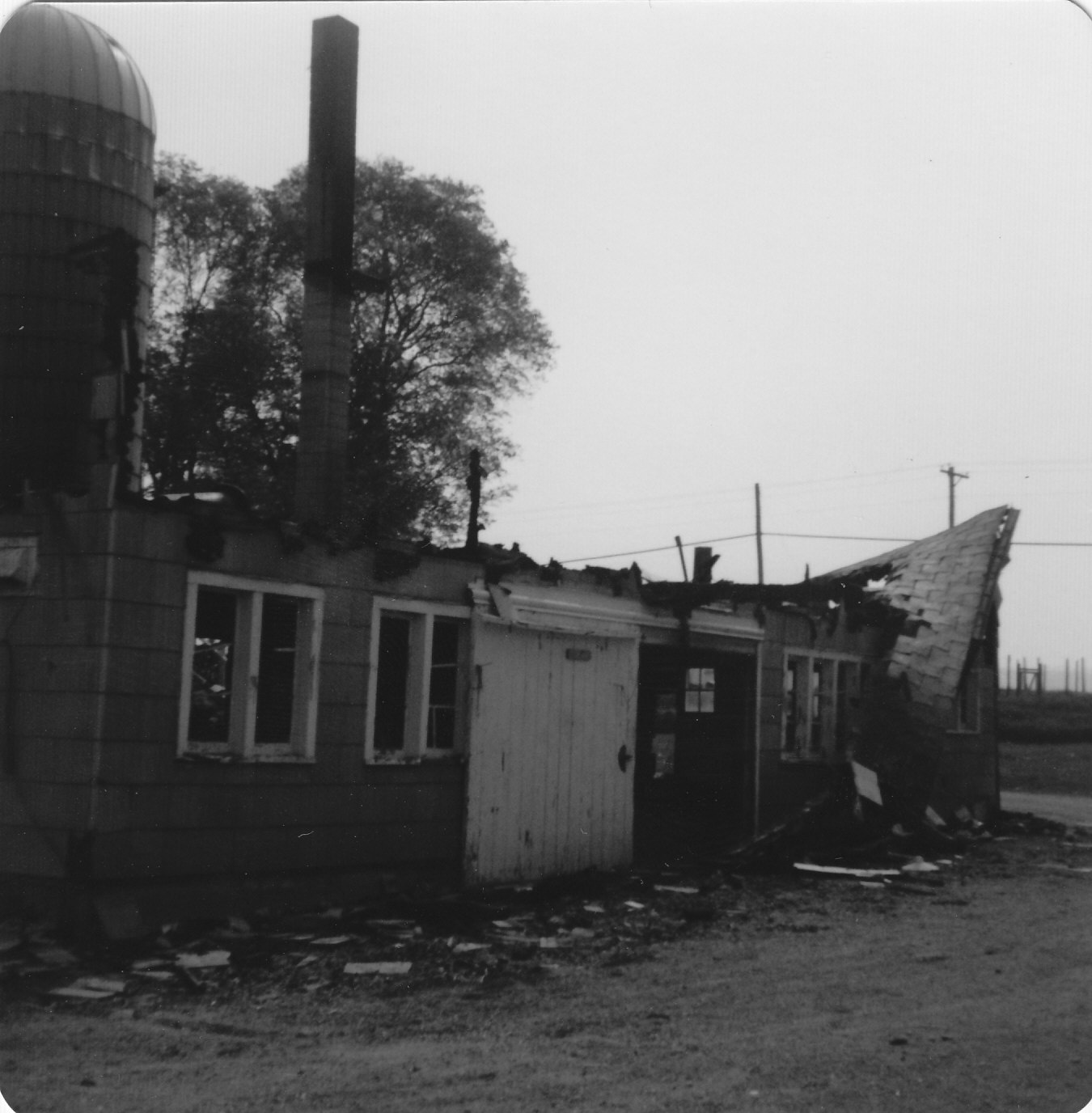
This picture was taken the day after the fire.
On May 19th, 1978, a fire broke out in the early morning hours, destroying the brooding barn at the farm. 7000 chicks were lost.
A New Era Begins
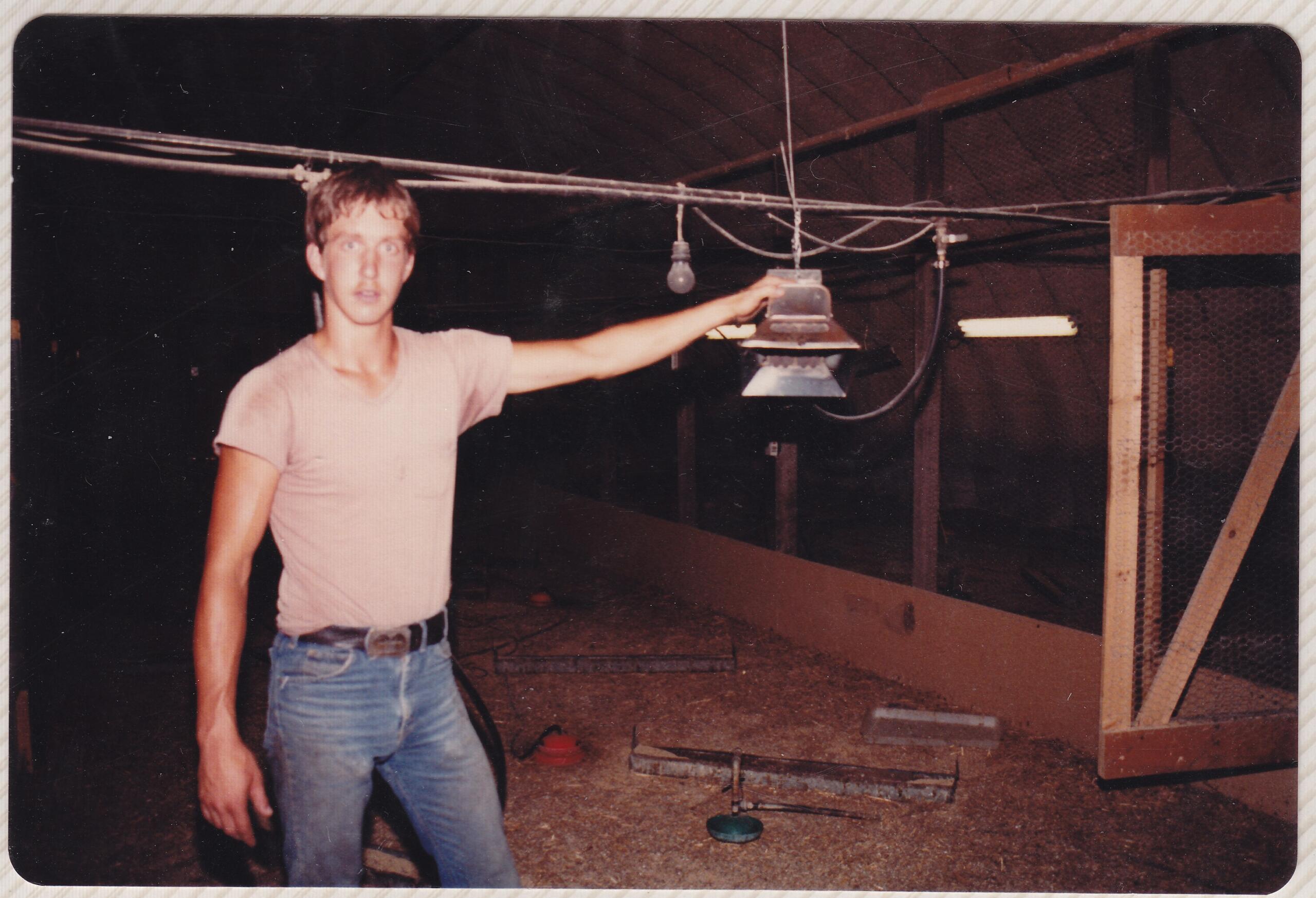
By 1979, Donald was considering closing the business. However, he persuaded his youngest son, Bill, who had just graduated from college with a degree in economics, to return home to Janesville to help run the farm.
Bill agreed, and together they incorporated the business that same year, officially forming MacFarlane Pheasants, Inc.
A Significant Retirement
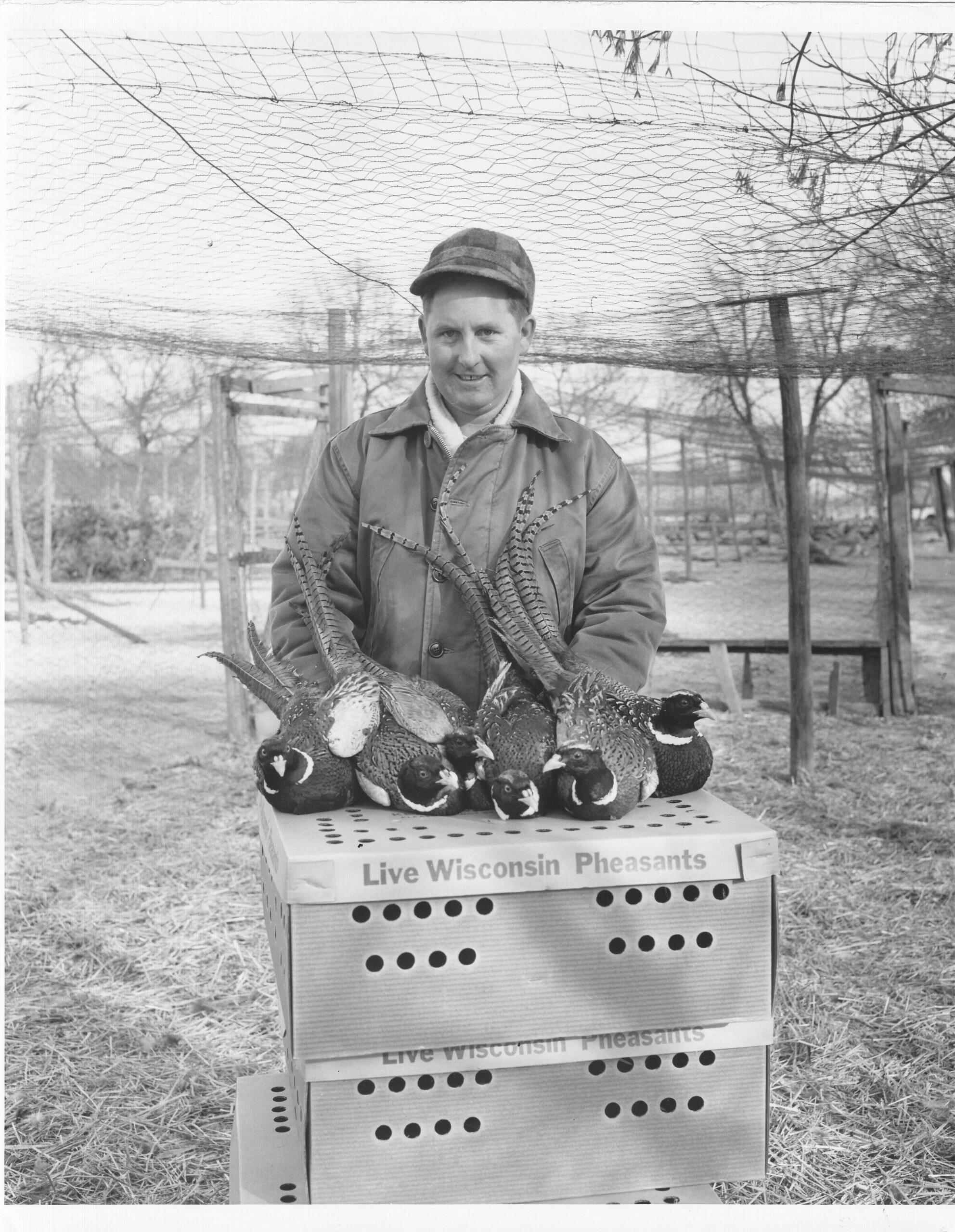
James Adamson at MacFarlane Pheasant Farm in his younger years.
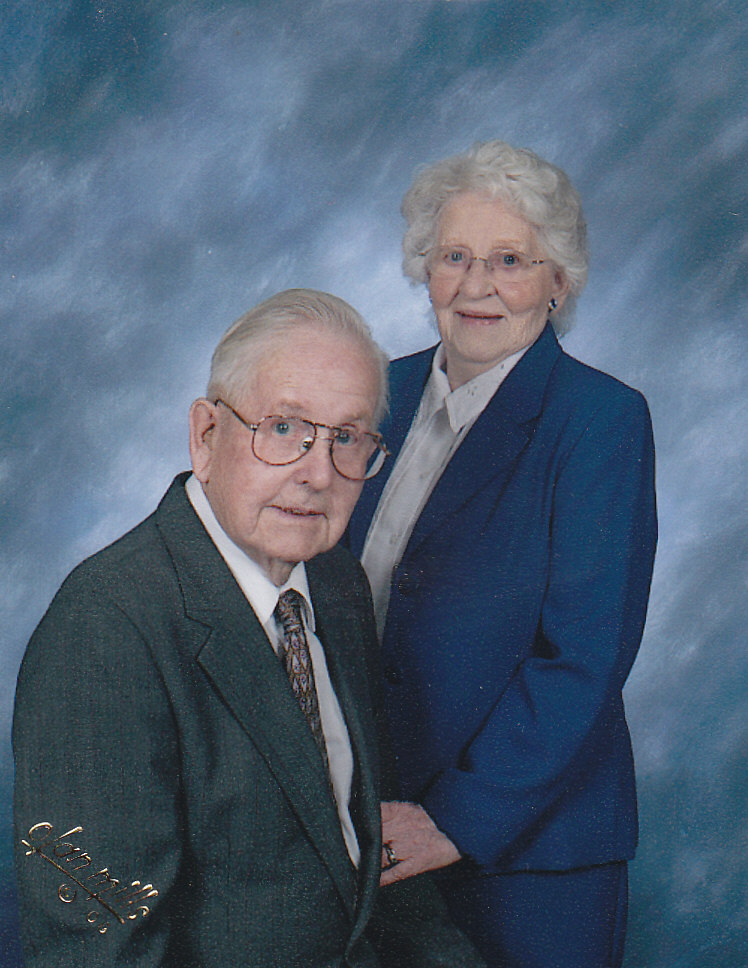
In 1981, longtime partner James Adamson and his wife, Dot, retired to Colorado, marking the end of an important era in the farm’s history.
Standing Out in Full Color
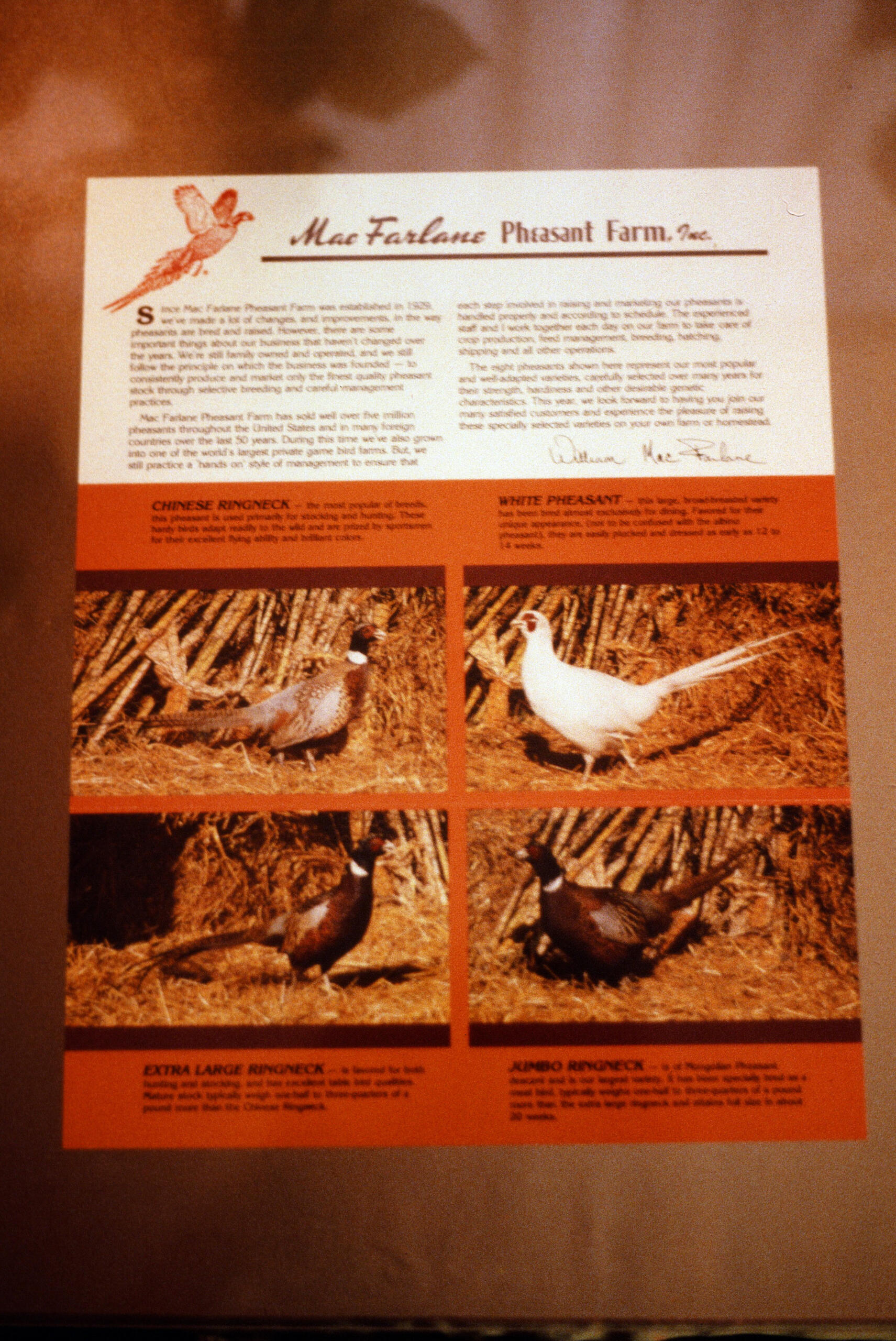
In 1983, Bill collaborated with local photographer Howard Porter and printer Ken Molnar to create a high-quality, full-color brochure featuring professional photos of the farm’s birds. At a time when most competitors still used simple black-and-white materials, this innovation helped MacFarlane Pheasants stand out and attract new customers nationwide.
The Loss of Donald MacFarlane

After Donald’s passing in 1985, Bill assumed full leadership of the company and continued to modernize operations.
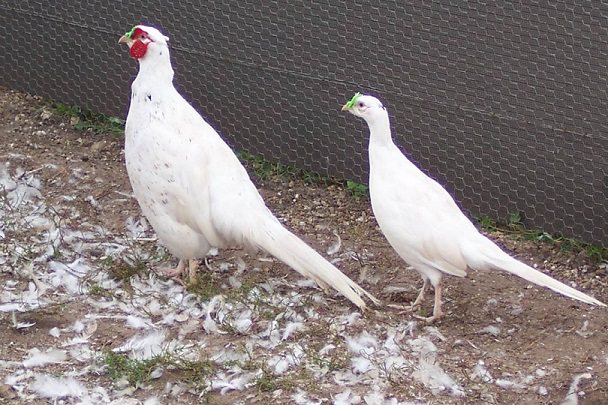
Growing Our White Bird Division
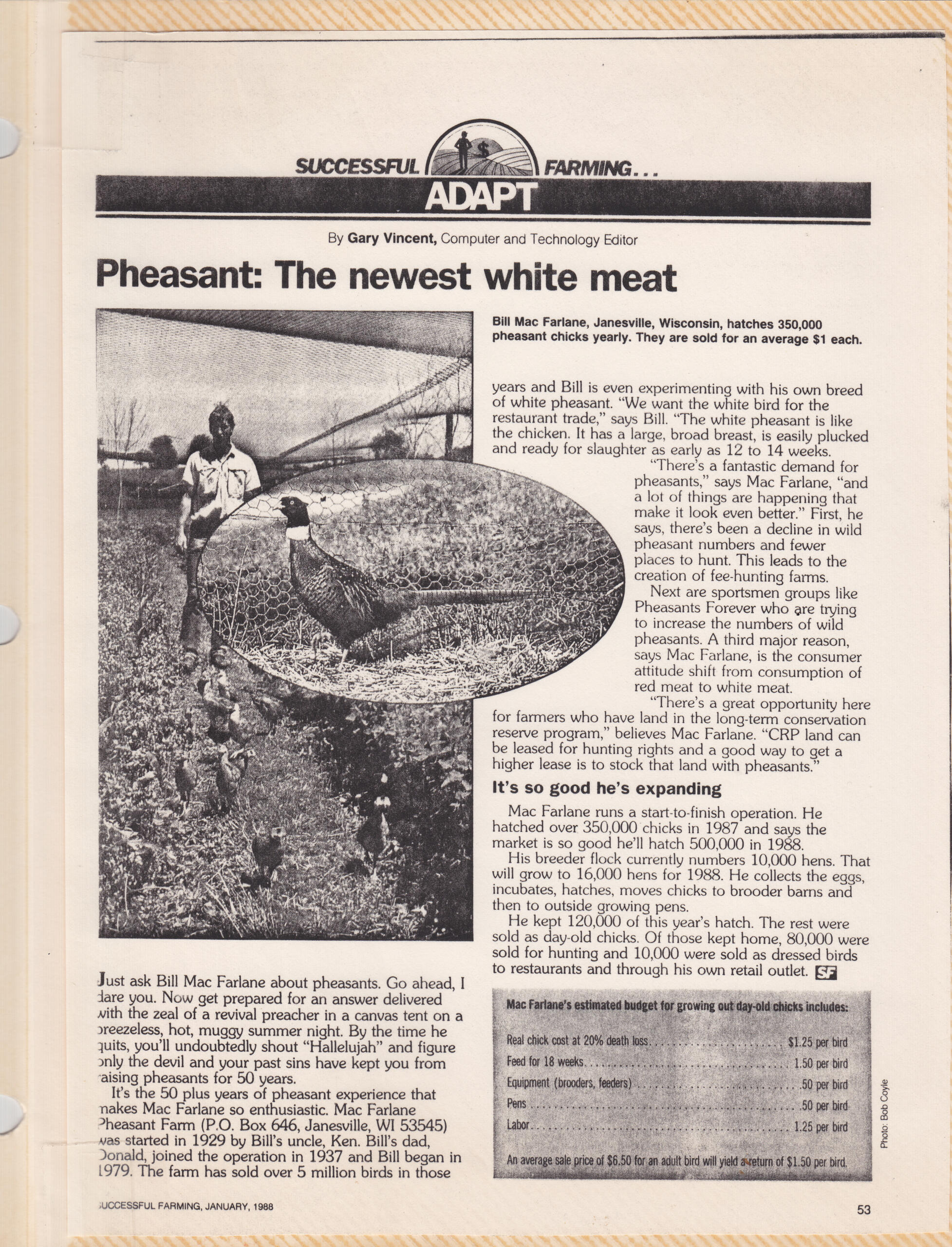
In the mid-1980s, MacFarlane Pheasants strengthened its long-standing white bird program through a collaboration with Texas A&M University.
The farm provided white and jumbo ringneck pheasants for research aimed at developing a superior meat bird in the 1970s. When the project ended, the remaining birds were returned to us, sparking a renewed focus on improving and expanding our white pheasant line.
With the help of genetic experts, we refined breeding practices for faster growth and better efficiency, laying the foundation for future programs in dressed birds and pet food.
New Store Opened on Center Ave
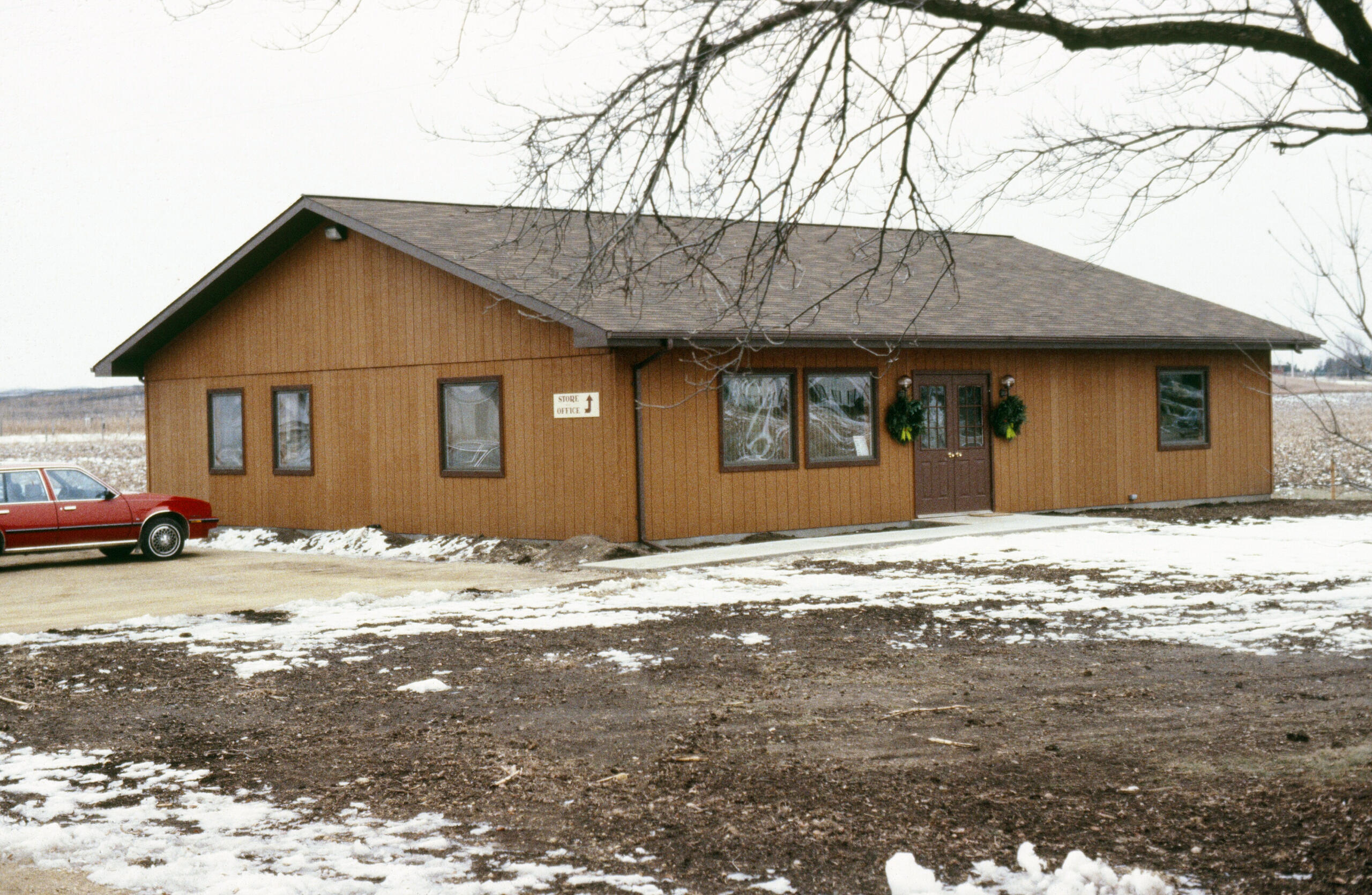
In 1986, we opened our first official farm store on Center Ave. in Janesville.
Expanding Hatchery Operations
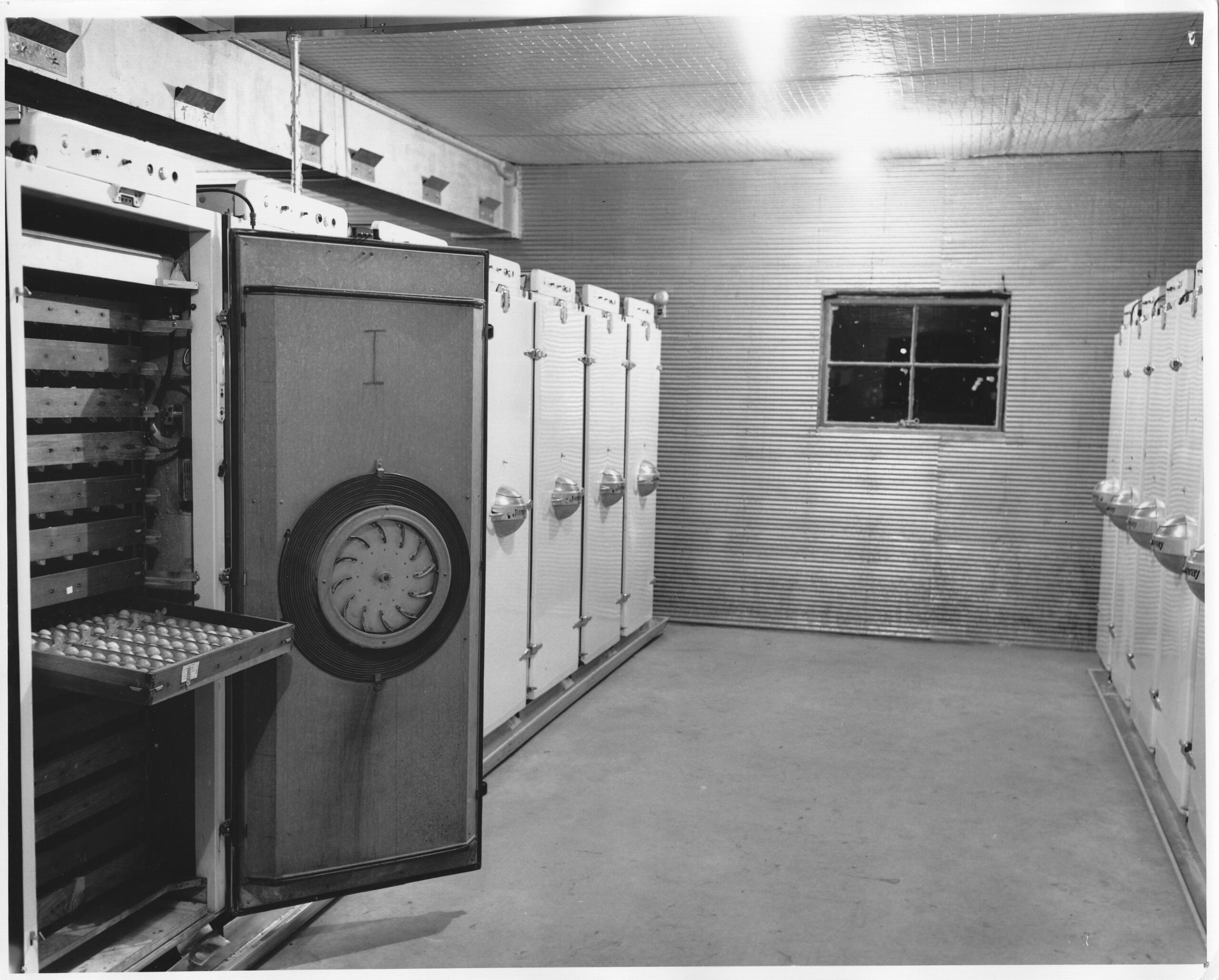
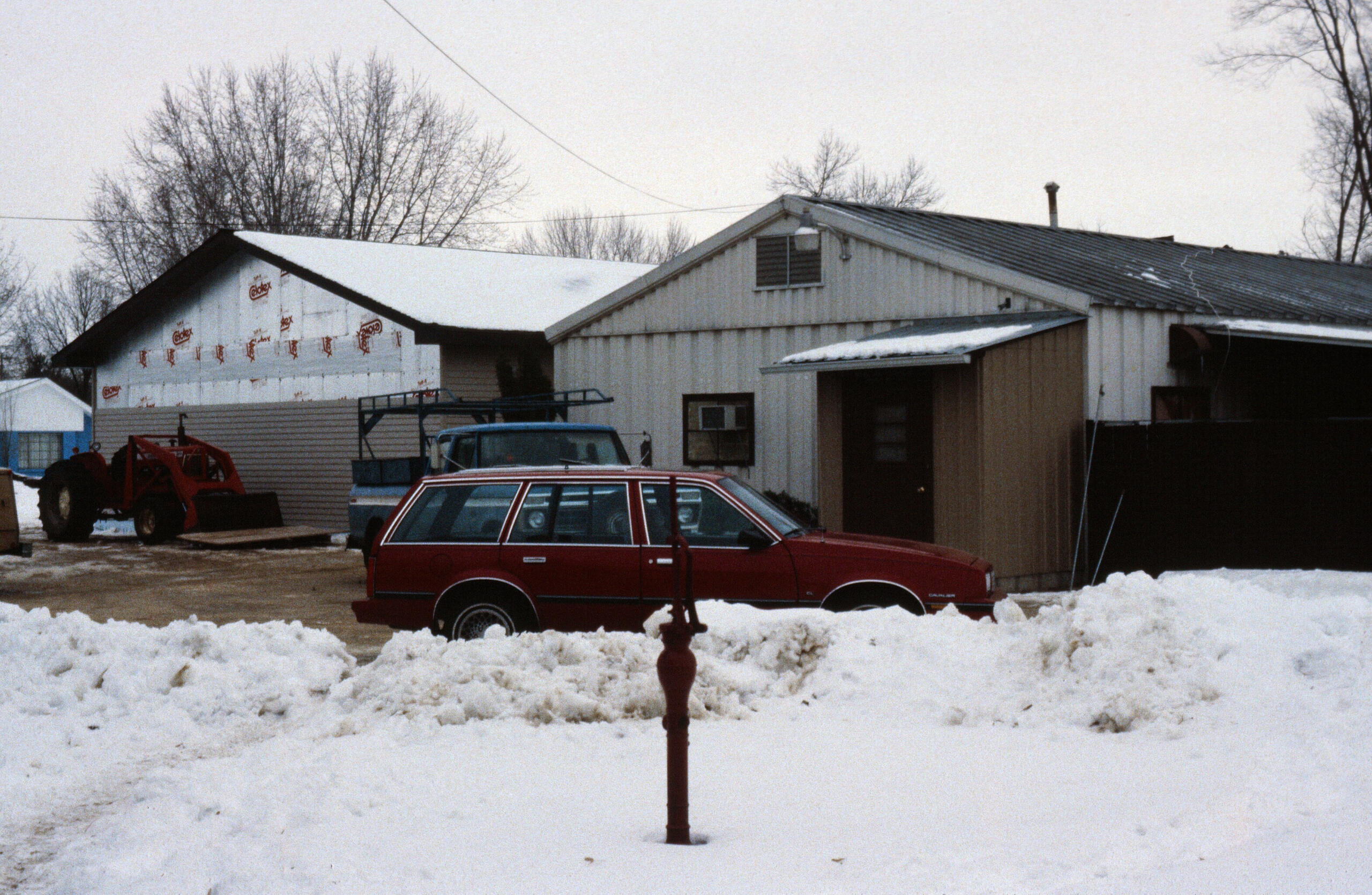
In 1987, a new hatchery was constructed to increase capacity, and new pens and brooder barns were added each year to support growing demand.
Expanding Breeding Operations
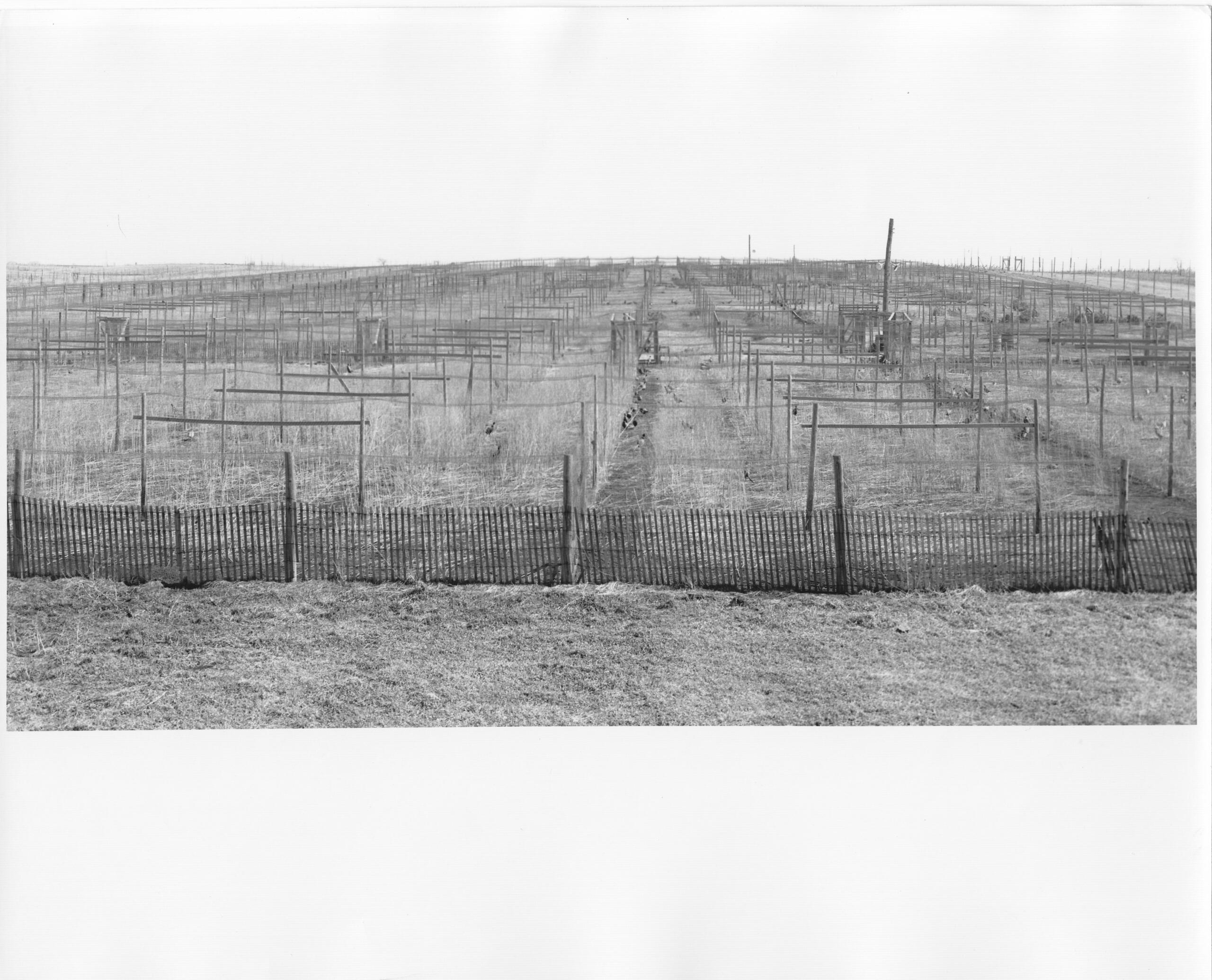
By 1988, the farm purchased additional property about one mile away to serve as the central hub for breeding operations. Two pens were constructed here to separate our breeder flock from the rest of the production birds.
Importing Pure Manchurian Pheasants
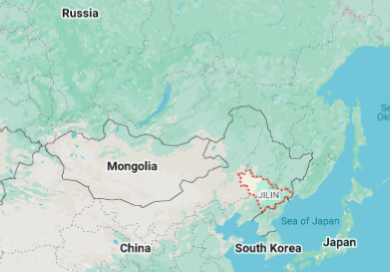
In 1988, Bill partnered with the Wisconsin Department of Agriculture and Chinese officials to import 1,200 Manchurian Ringneck pheasant eggs from Jilin Province, China. After extensive testing, the chicks were approved for import, and two years later, another shipment followed.
Meeting Increased Demand
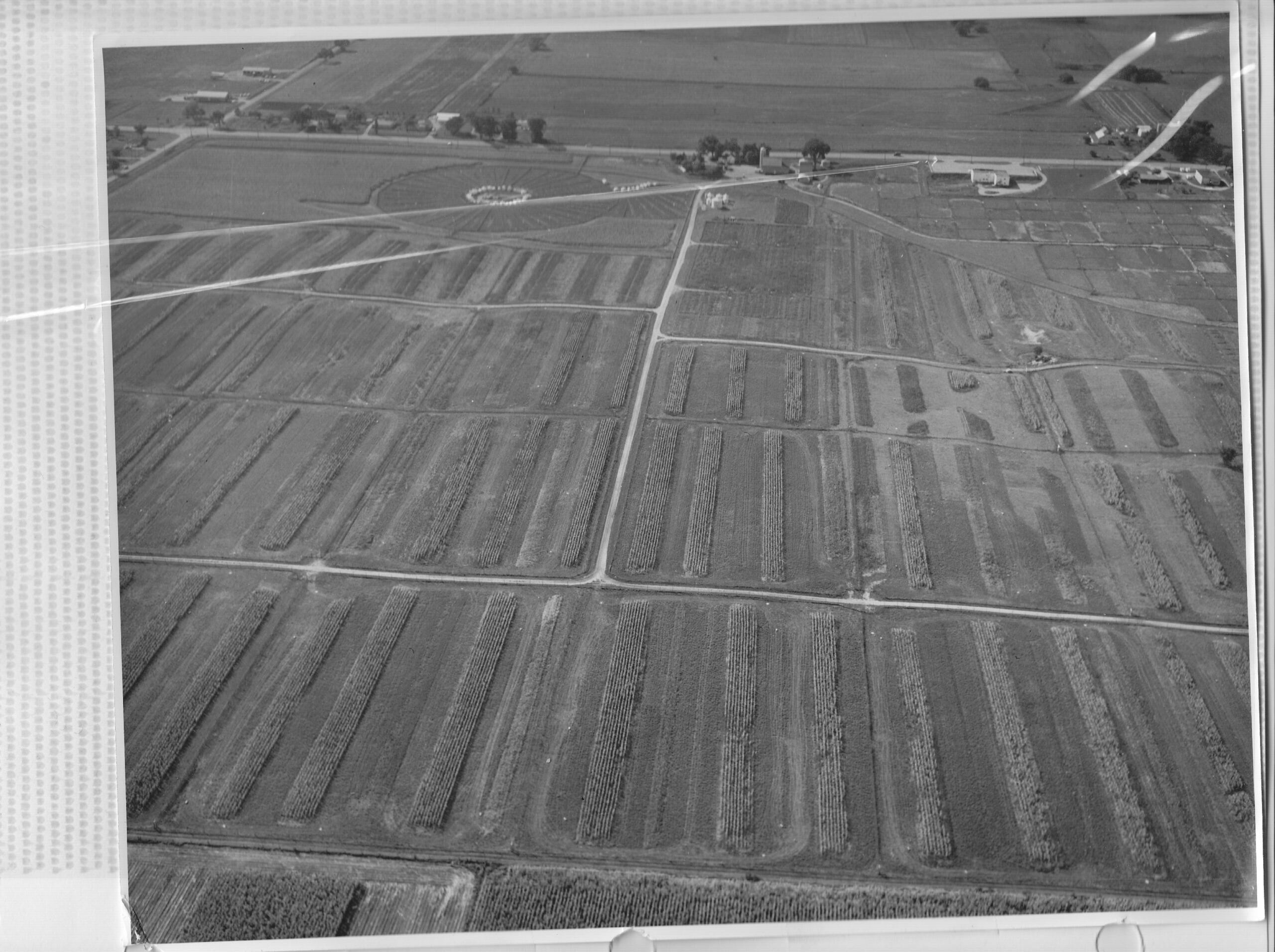
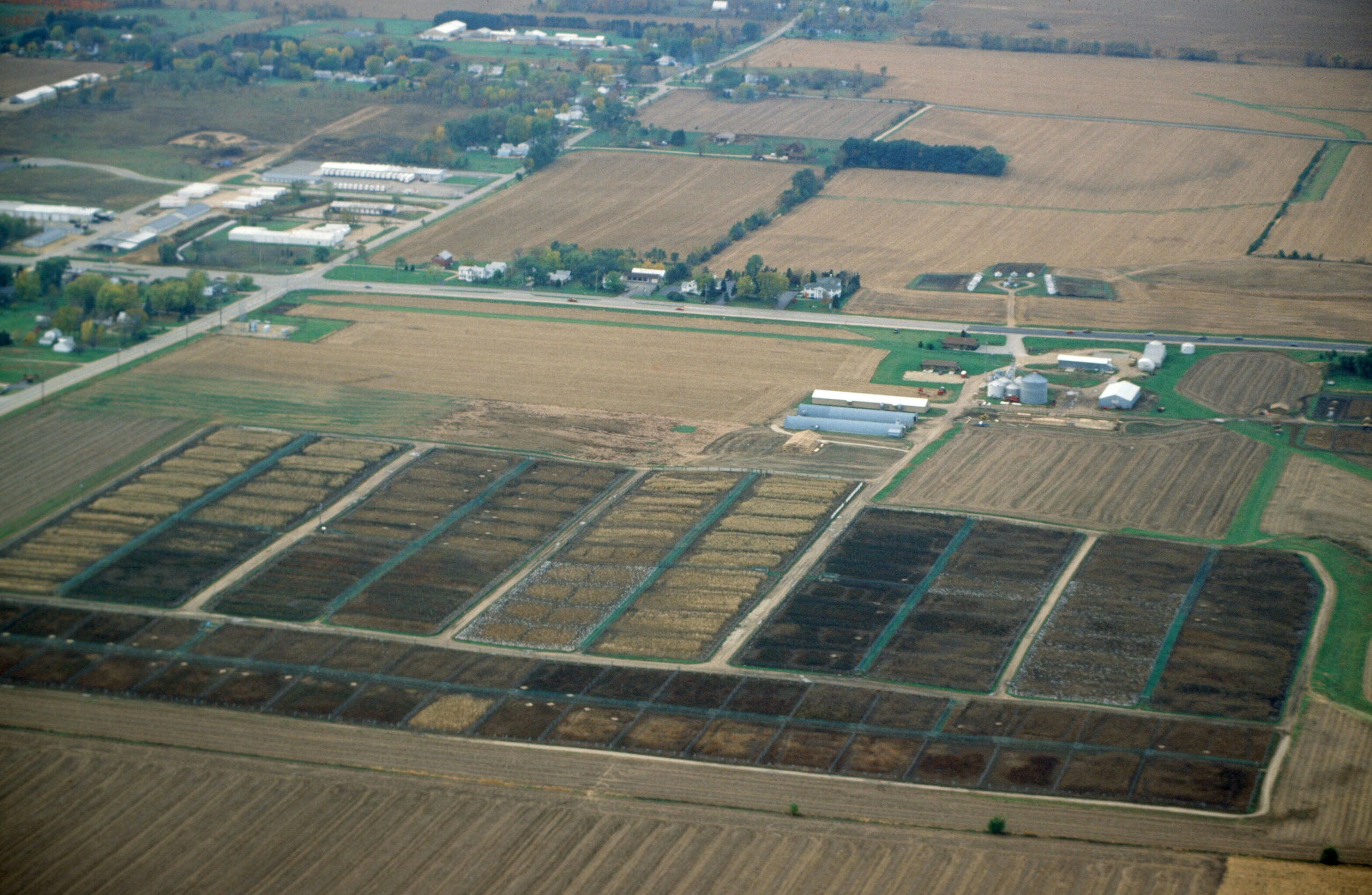
In 1985, the Conservation Reserve Program (CRP) was launched, and by 1986, the USDA had begun working with landowners to retire highly erodible farmland for 10 to 15 years in exchange for rental payments.
By 1989, landowners who had set aside farmland through CRP were realizing they could also create hunting preserves as a second source of income. That new market brought with it a big demand for pheasants to release, and the whole industry started to shift.
We were lucky to catch on early, and by expanding our breeder flock, we were ready to meet that demand when it arrived. By being proactive, we were prepared to meet the surge in interest and support the growing number of hunting preserves with both chicks and mature birds.
Importing Hungarian Partridges
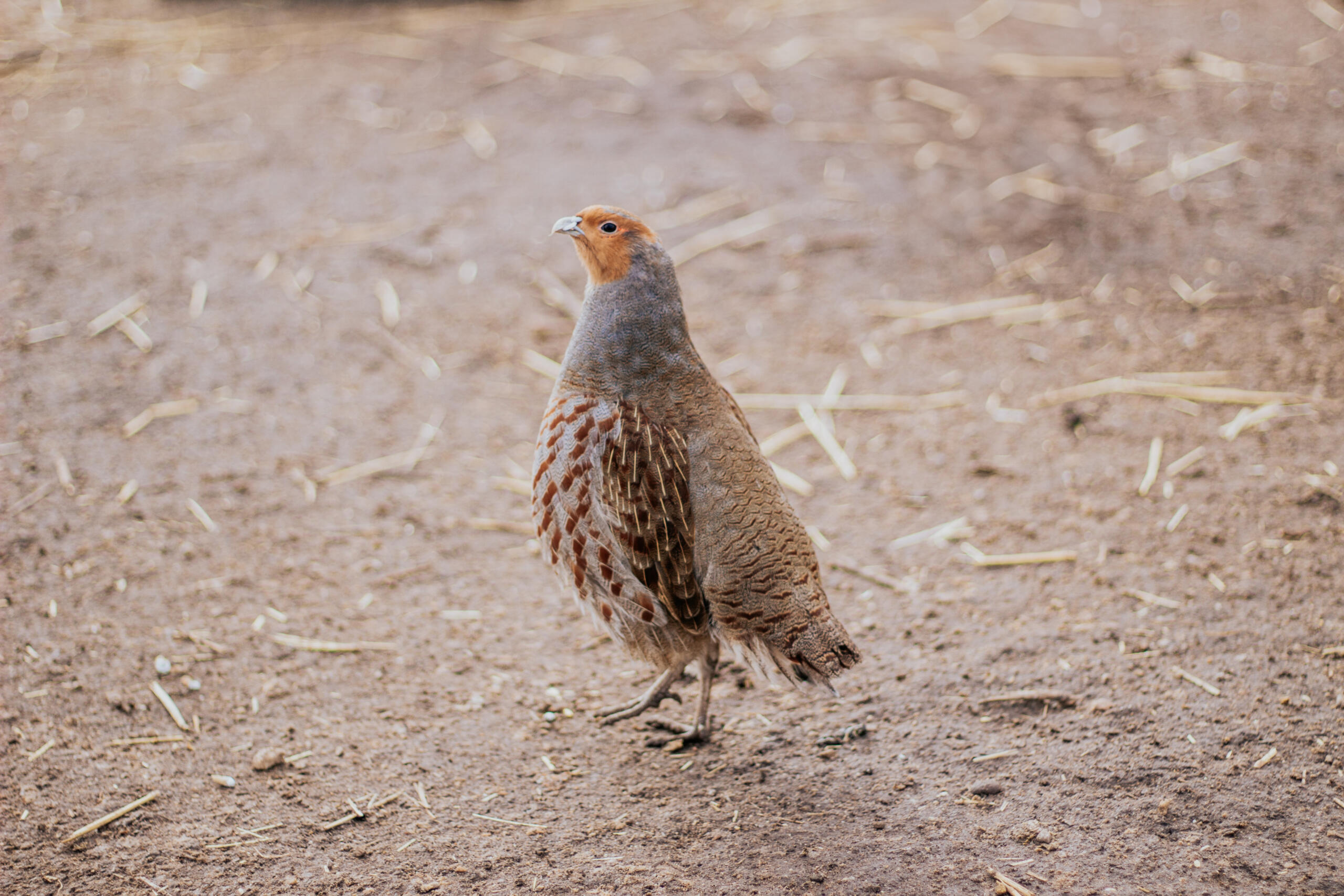
In 1990, the farm began importing Hungarian Partridge (Huns) eggs from Denmark through Papsoe, with the help of Jean Marc Ridell, who personally visited to teach the team how to hatch and raise the small, delicate birds.
Today, MacFarlane continues to raise around 40,000 Huns annually.
Creating Manchurian Cross
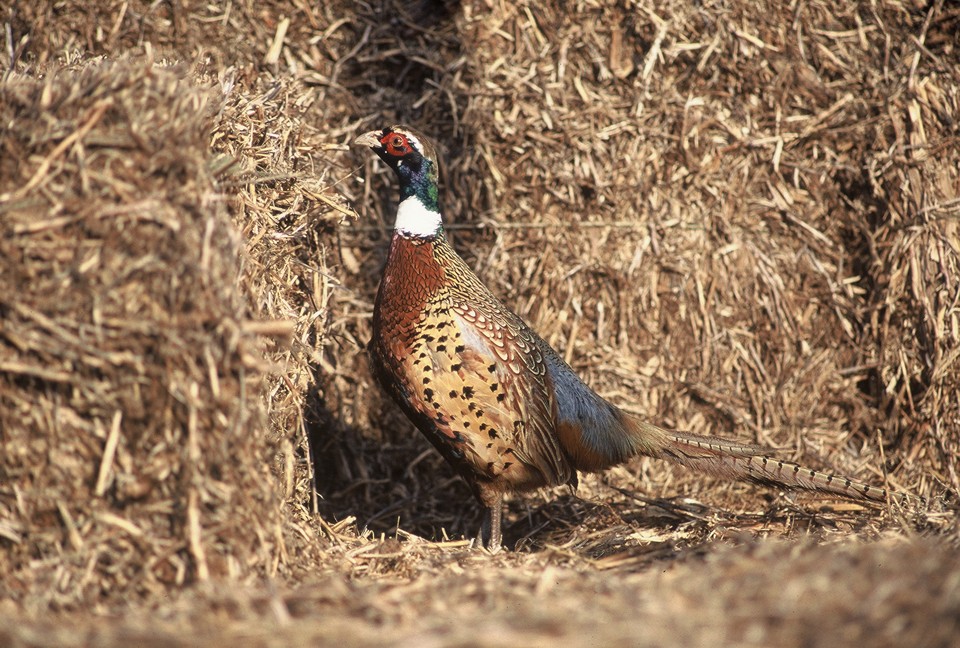
In 1990, MacFarlane Pheasants imported a second shipment of Manchurian Ringneck eggs from China, deepening our genetic diversity and strengthening our breeding program.
That same year, we introduced a new cross, pairing pure Manchurian cock birds with our own Ringneck hens, which quickly gained popularity for their strong flight, hardiness, and natural coloration. The response from customers was overwhelmingly positive, setting a new standard for game bird performance.
Since then, we’ve sold hundreds of thousands of Manchurian Cross pheasant chicks, and we continue to maintain a pure, closed flock of Manchurian pheasants, the only one of its kind in the United States.
This ongoing commitment to genetic preservation and improvement has allowed us to offer some of the most robust and reliable pheasants in the industry.
1991’s Tornado
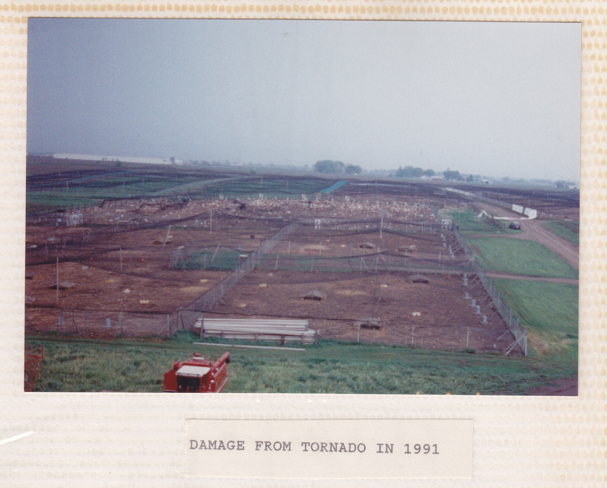
In May of 1991, Janesville was struck by a tornado. The netting was ripped off the top of a pen, killing several pheasants and flinging brooder huts out of the pen.
Boosting Dressed Pheasant Sales
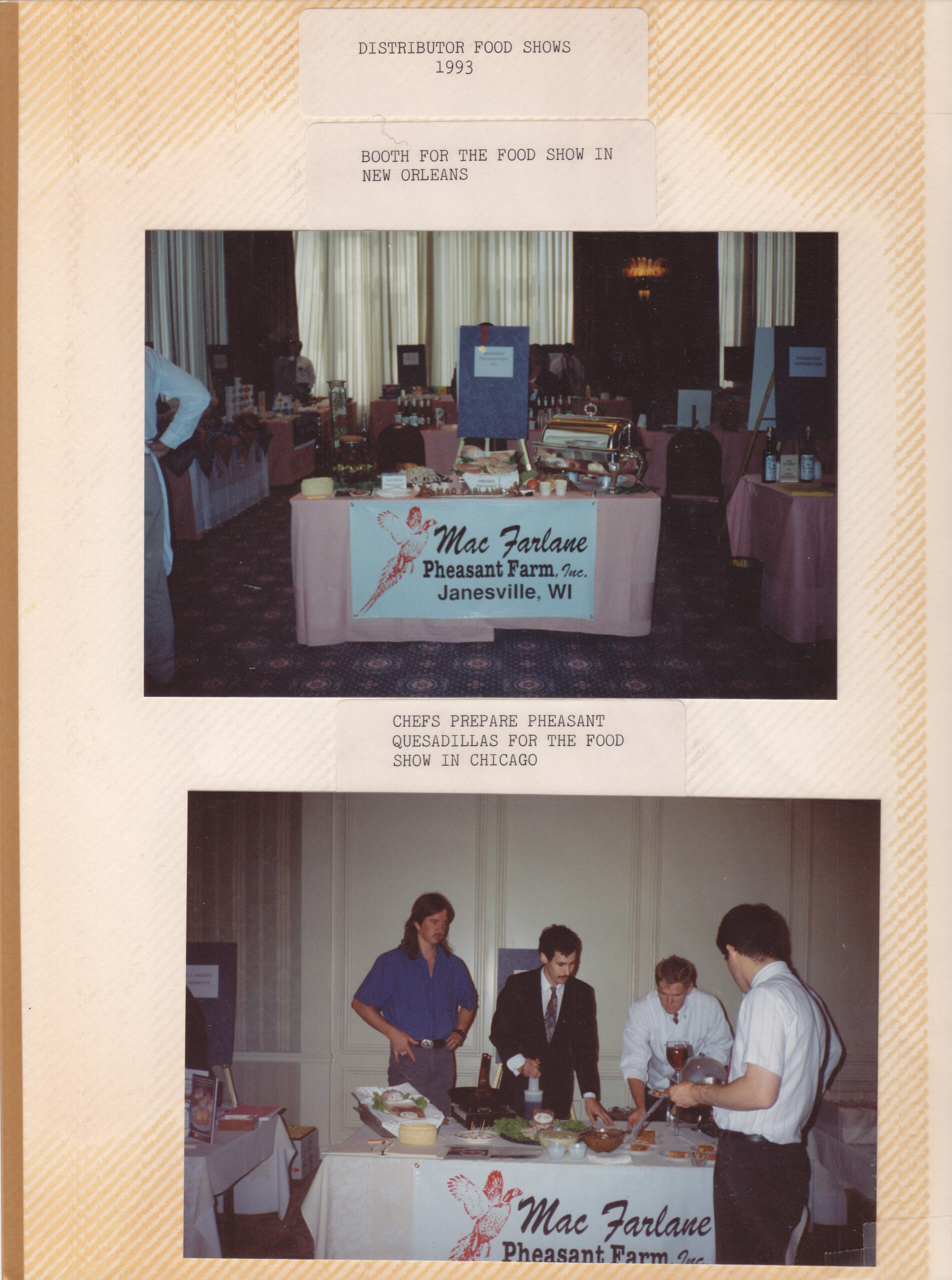
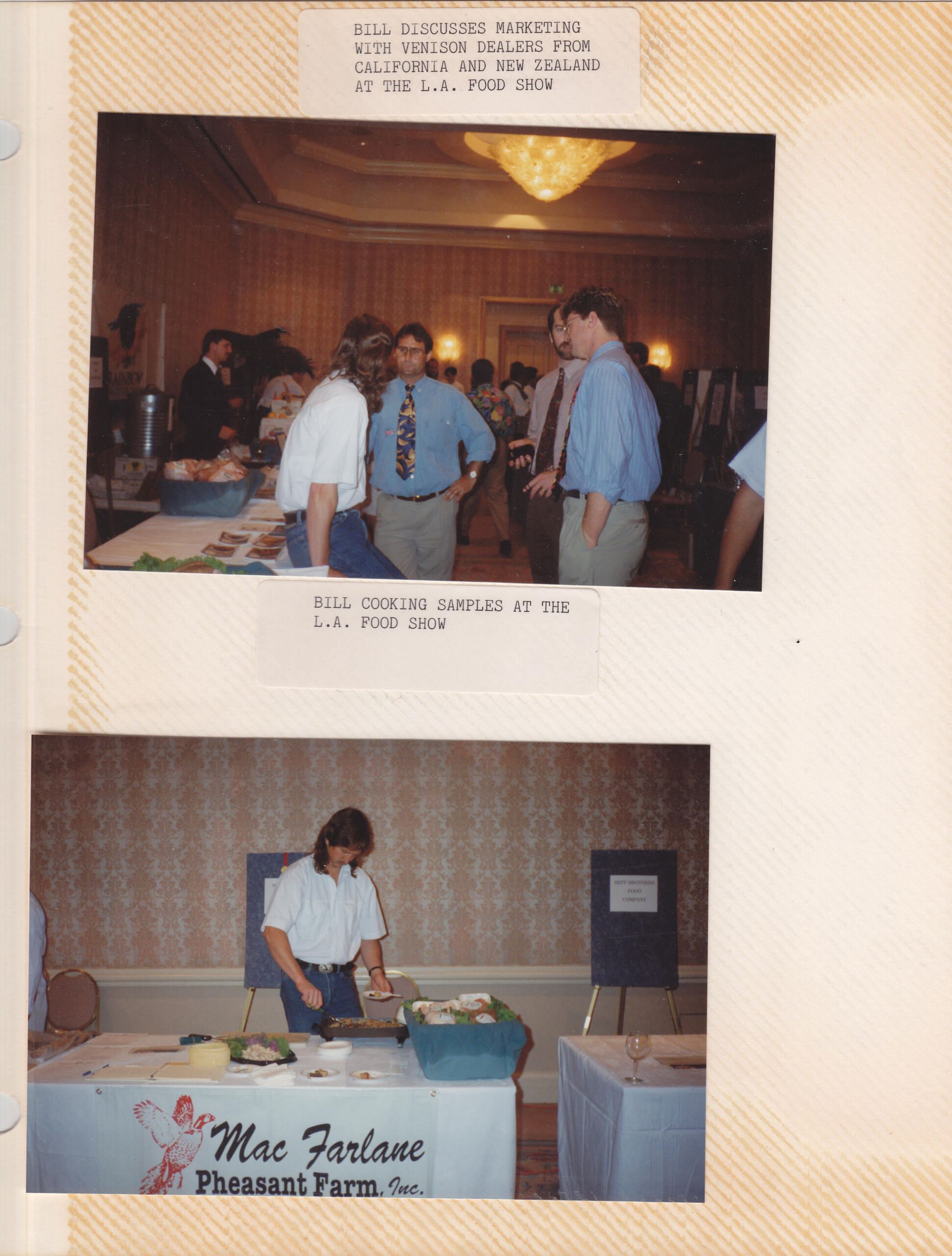
In 1993, we continued to work on expanding sales of our dressed pheasants. Bill MacFarlane attended food shows in New Orleans, Los Angeles, and Chicago to promote the business.
Going Digital With Pheasant.com
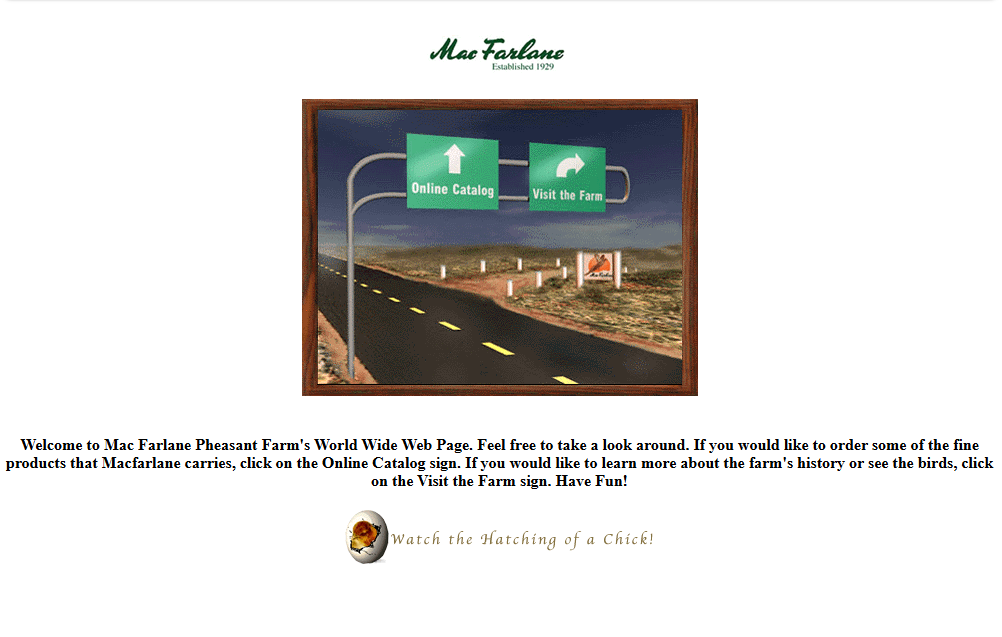
In 1994, Bill worked with a local internet provider to secure the domain Pheasant.com, a major milestone for the business. The initial website was simple but quickly became a powerful marketing and sales tool as the farm began offering online chick sales and sharing resources with others in the industry.
Investing the Future
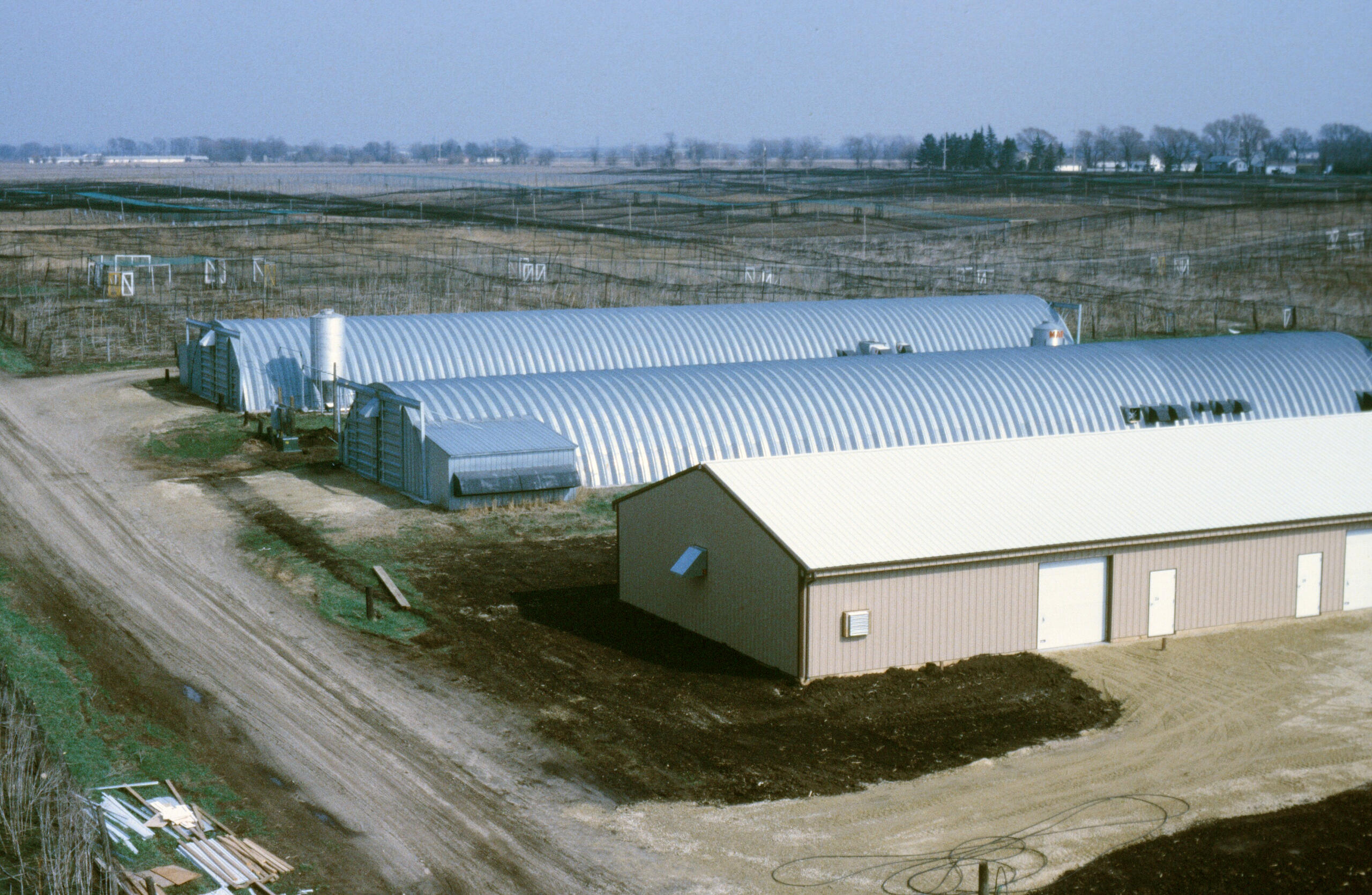
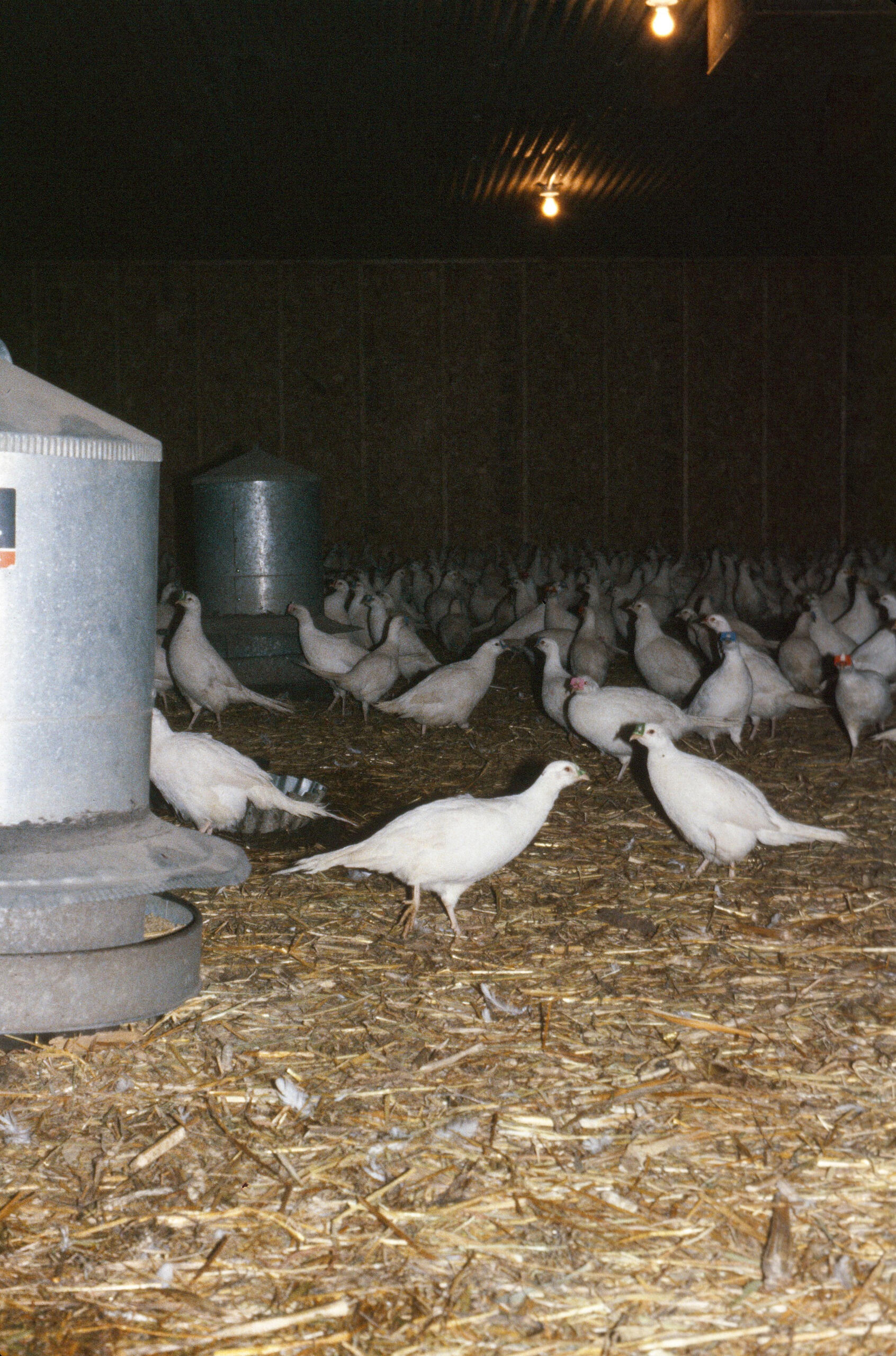
MacFarlane Pheasants built a state-of-the-art genetic and hen barn facility to improve white bird genetics and produce fresh-dressed pheasants more efficiently year-round.
White Bird Sales Soar & Creating Community
By 1998, sales of dressed white birds had skyrocketed, reaching 200,000 birds annually.
MacFarlane Pheasants, Inc. presented their “1st International Pheasant Management Seminar” in 1998. The seminar touched on a variety of subjects and offered chances for those starting and those in the business to learn from almost 70 years of gamebird business experience.
Enhancing Production
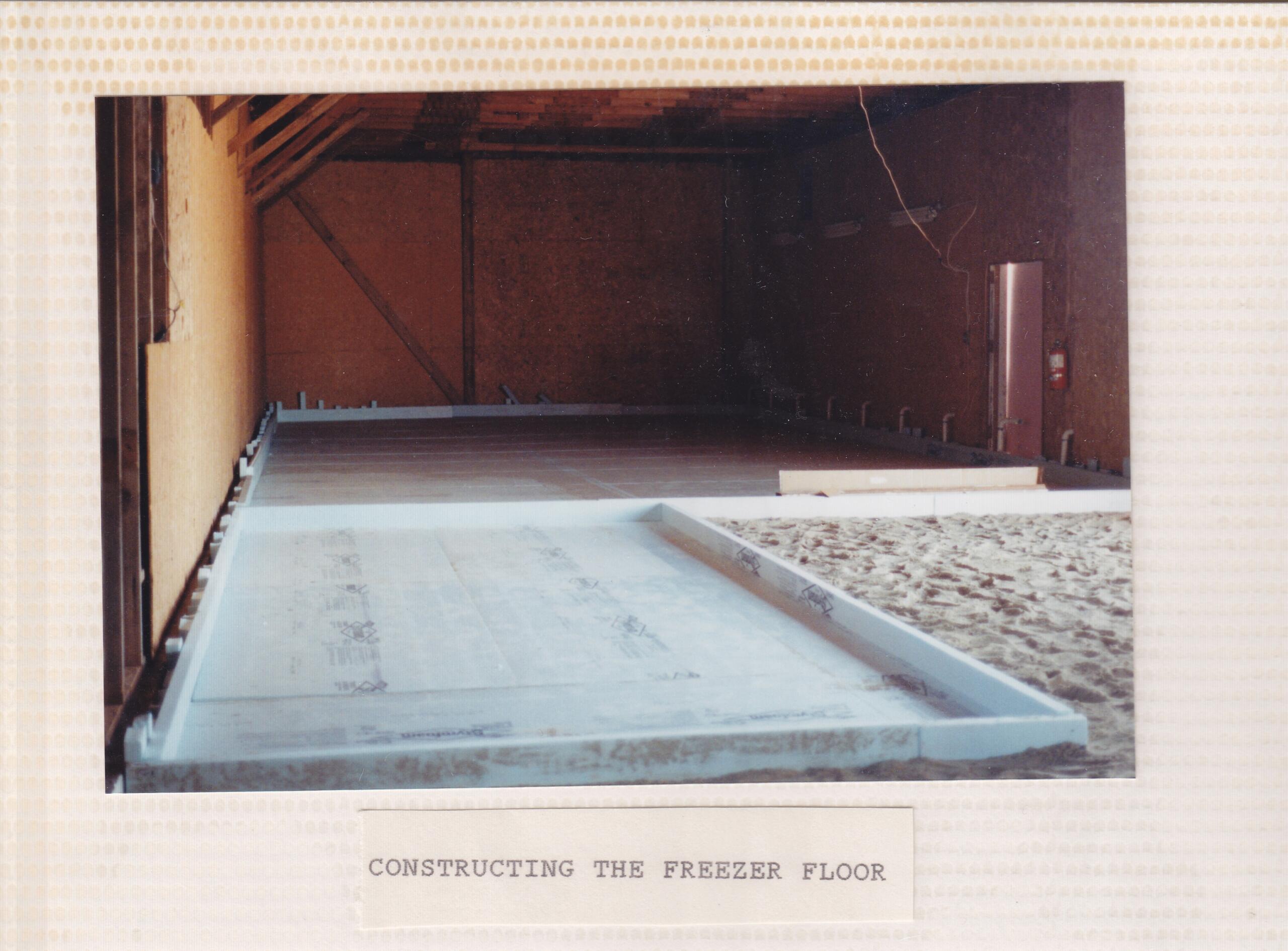
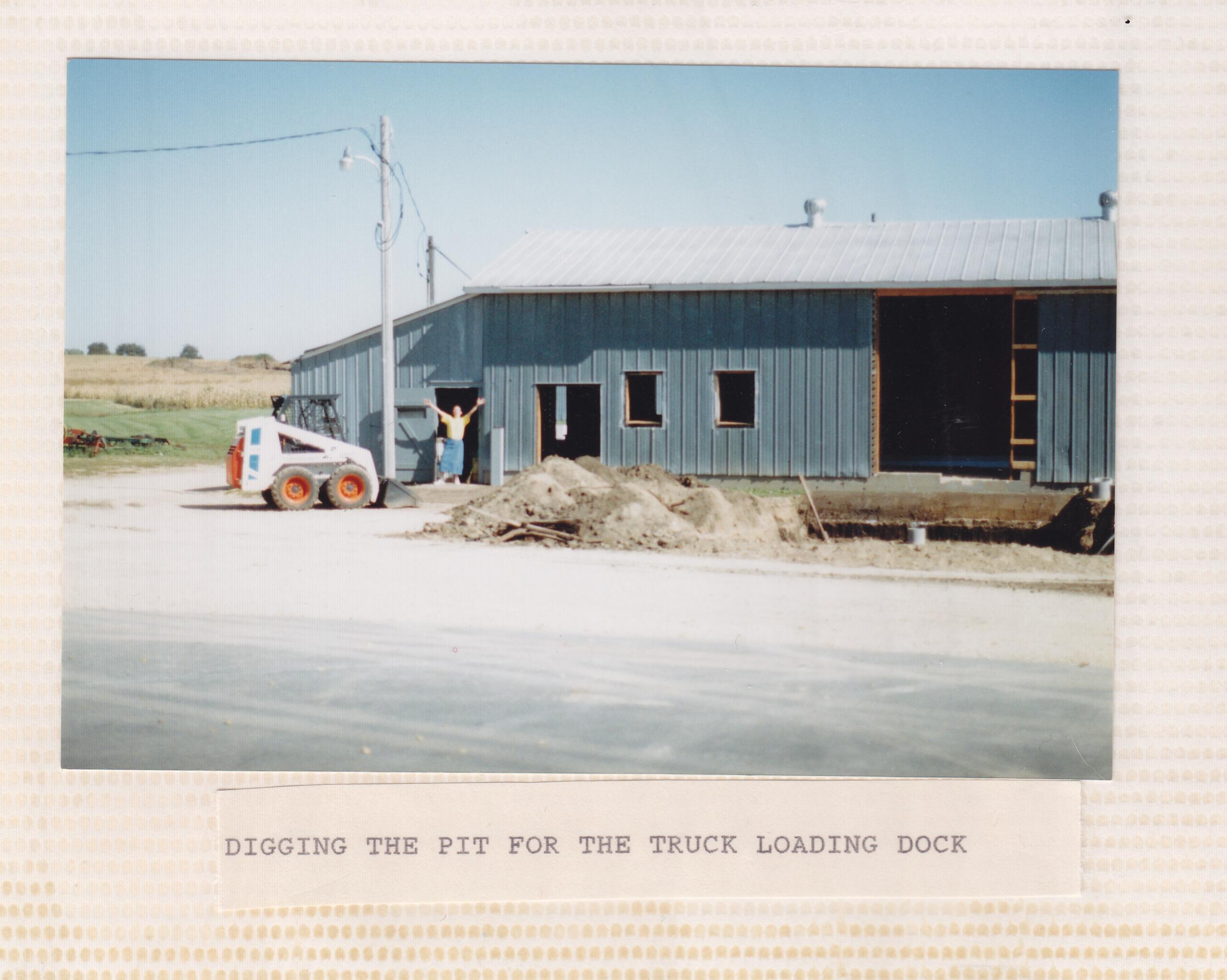
In 2000, a cutting and packing facility was added at our facility at 2821 South US Hwy 51 location next to the retail store. This facility allowed us to increase our potential food sales.
Continued Expansion in Rock County
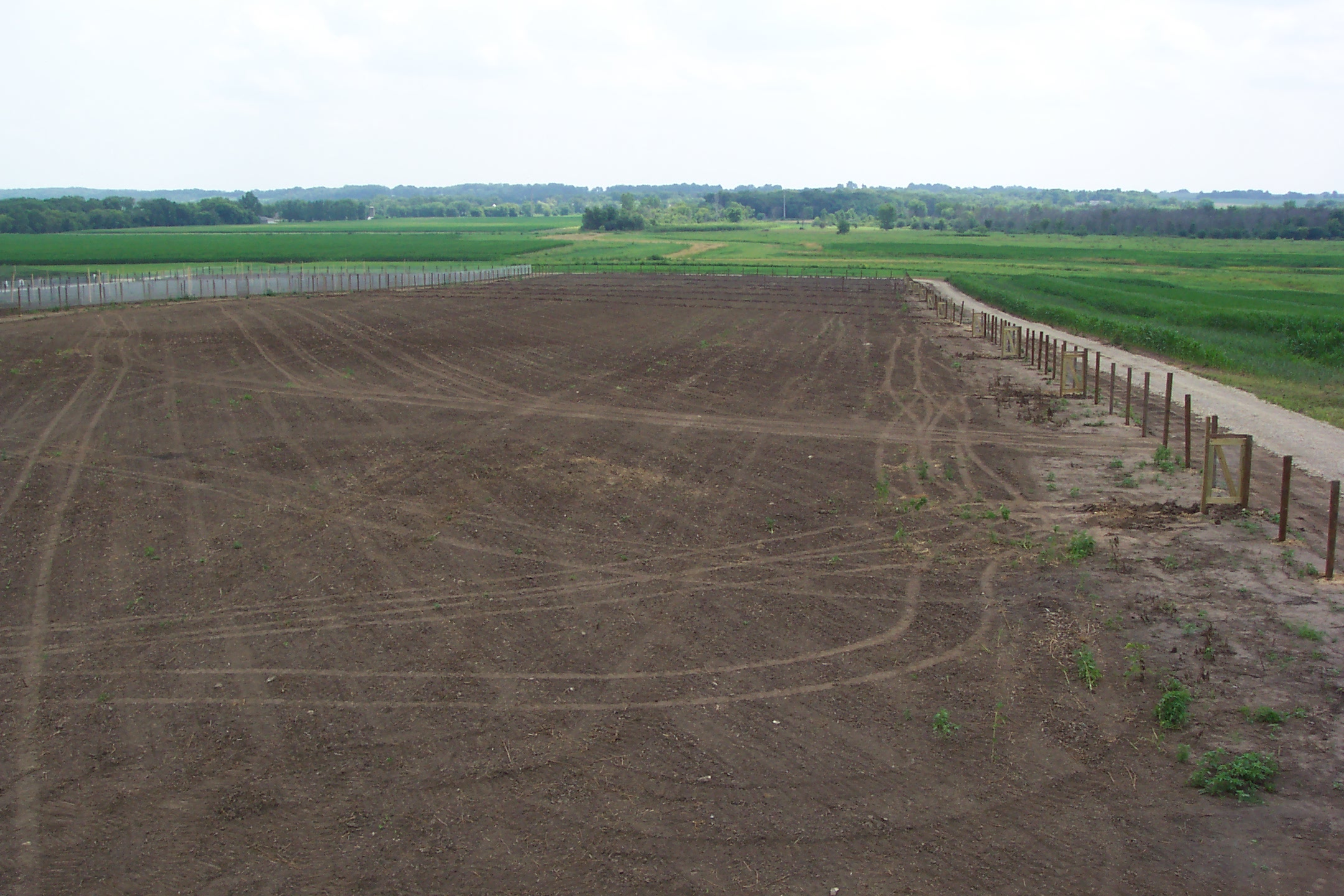
By 2006, MacFarlane Pheasants had expanded further, purchasing 160 acres on Noss Road and developing the land for large-scale bird production. The Noss Road Farm originally had 23 acres under netting.
Expansion at Noss Road
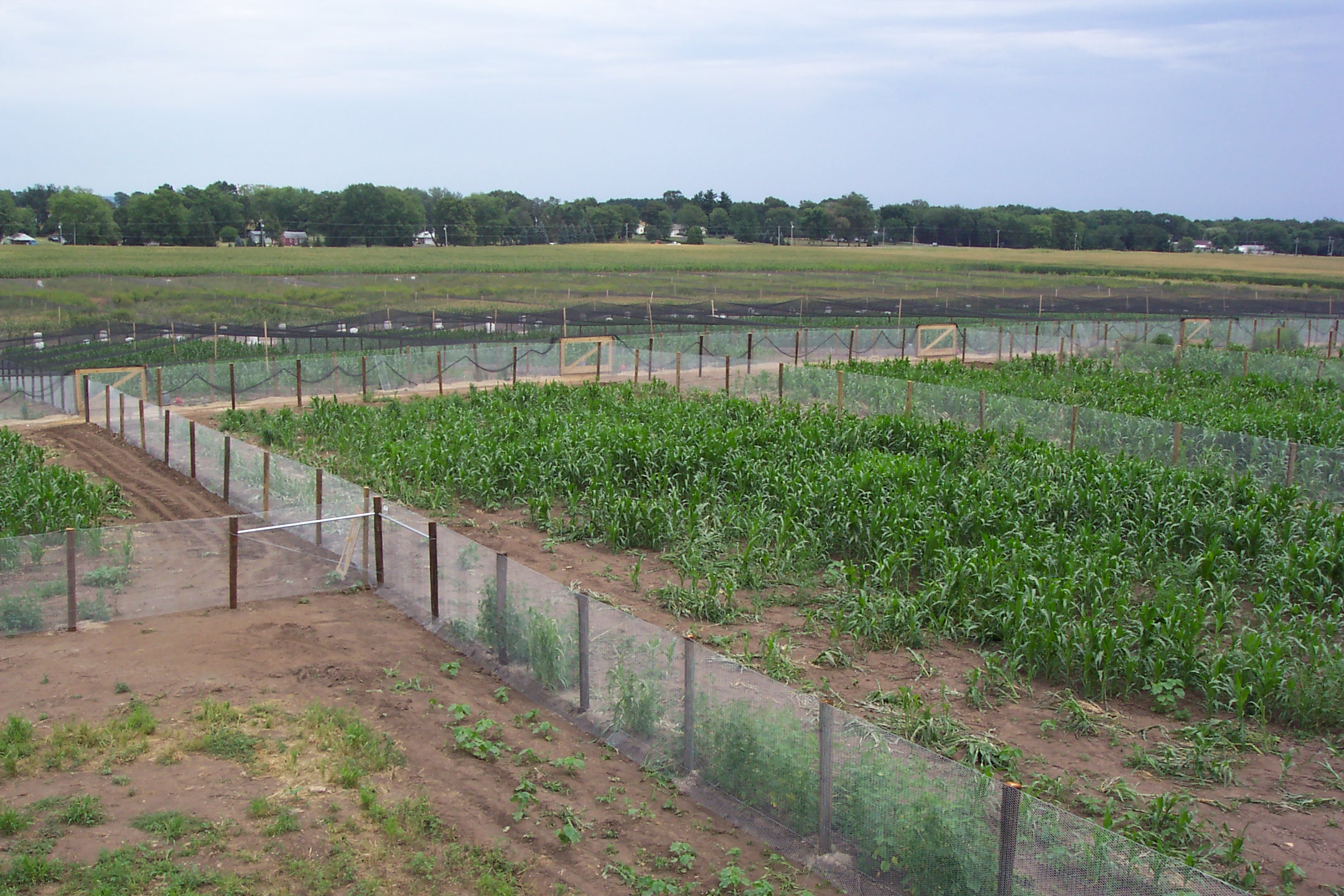
In 2008, 15 acres of pens were added to the Noss Road Farm for a total of 38 acres under netting. We raise about 80,000 birds at Noss each year.
Redleg Partridges Join the Flock
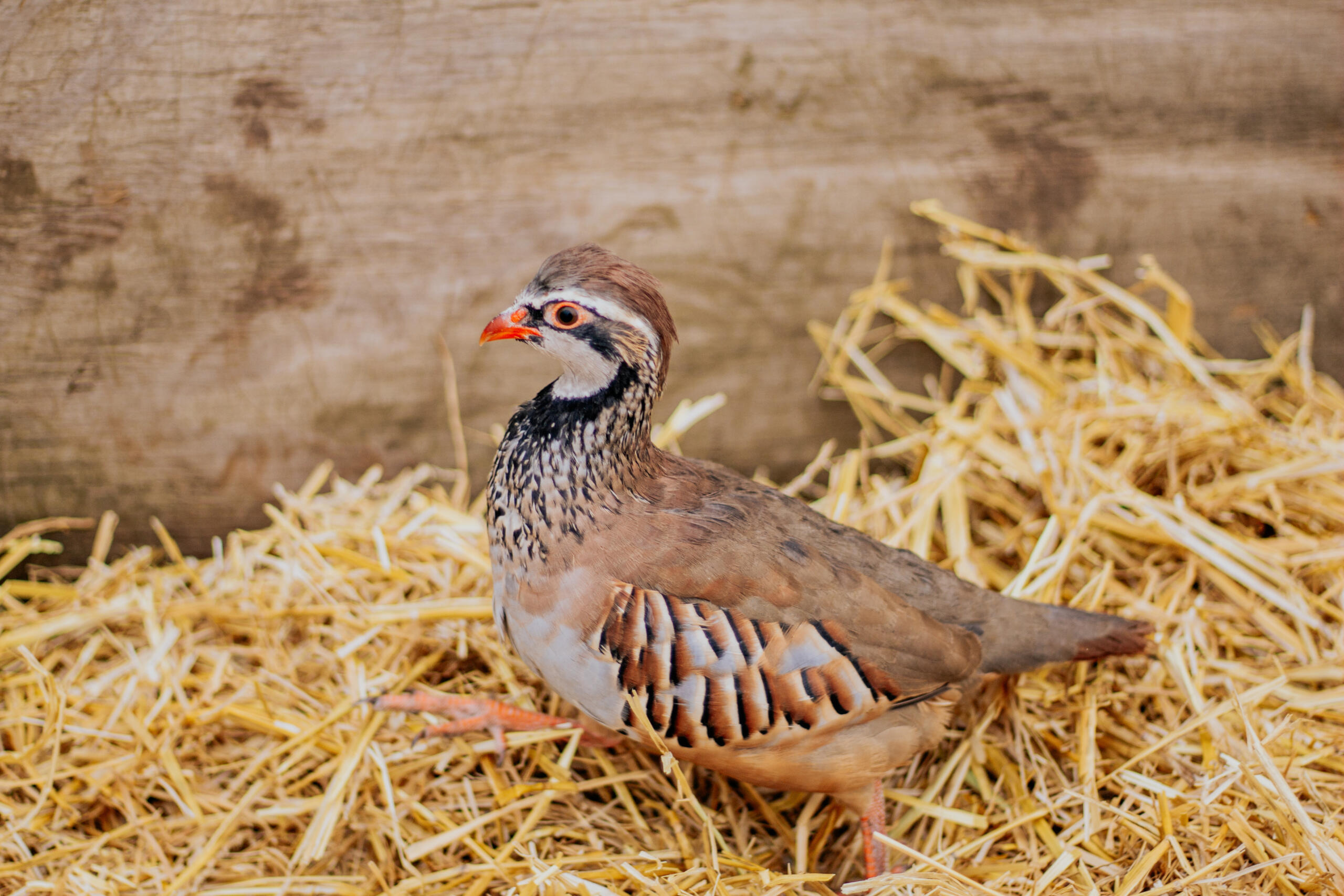
In 2009, the farm began importing and raising Redleg Partridges. These hardy, flighty birds proved to be an ideal fit for hunting operations and quickly became a successful addition to the farm’s production lineup.
Online Sales for Food Products Start

In 2009, we purchased PheasantforDinner.com and launched a new website to sell our food products online along with other game meats.
USDA Certification Achieved
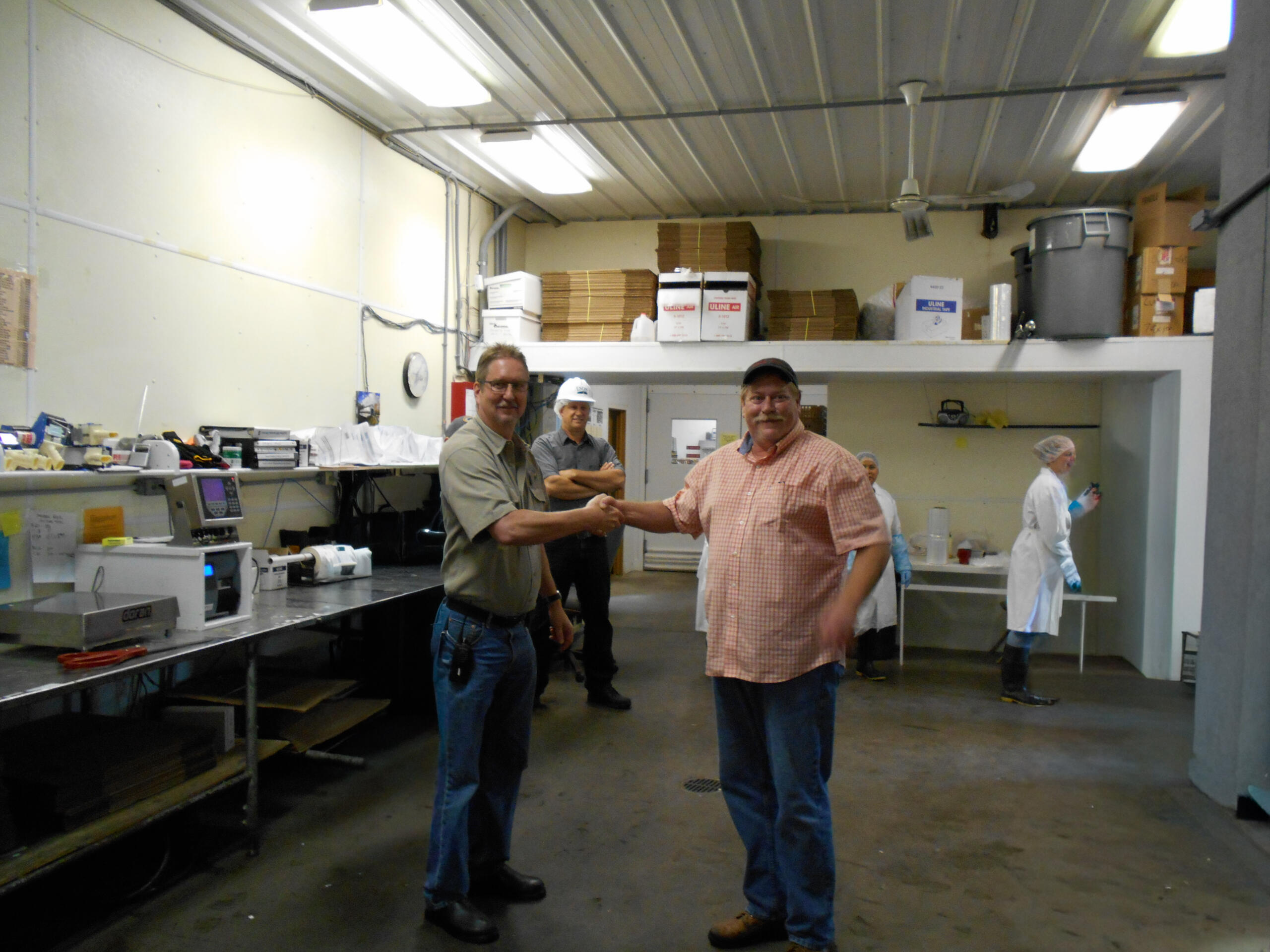
In August 2015, all pheasant meat products at MacFarlane Pheasants became USDA certified, allowing global export and distribution to major retailers and restaurants.
Growing to Missouri
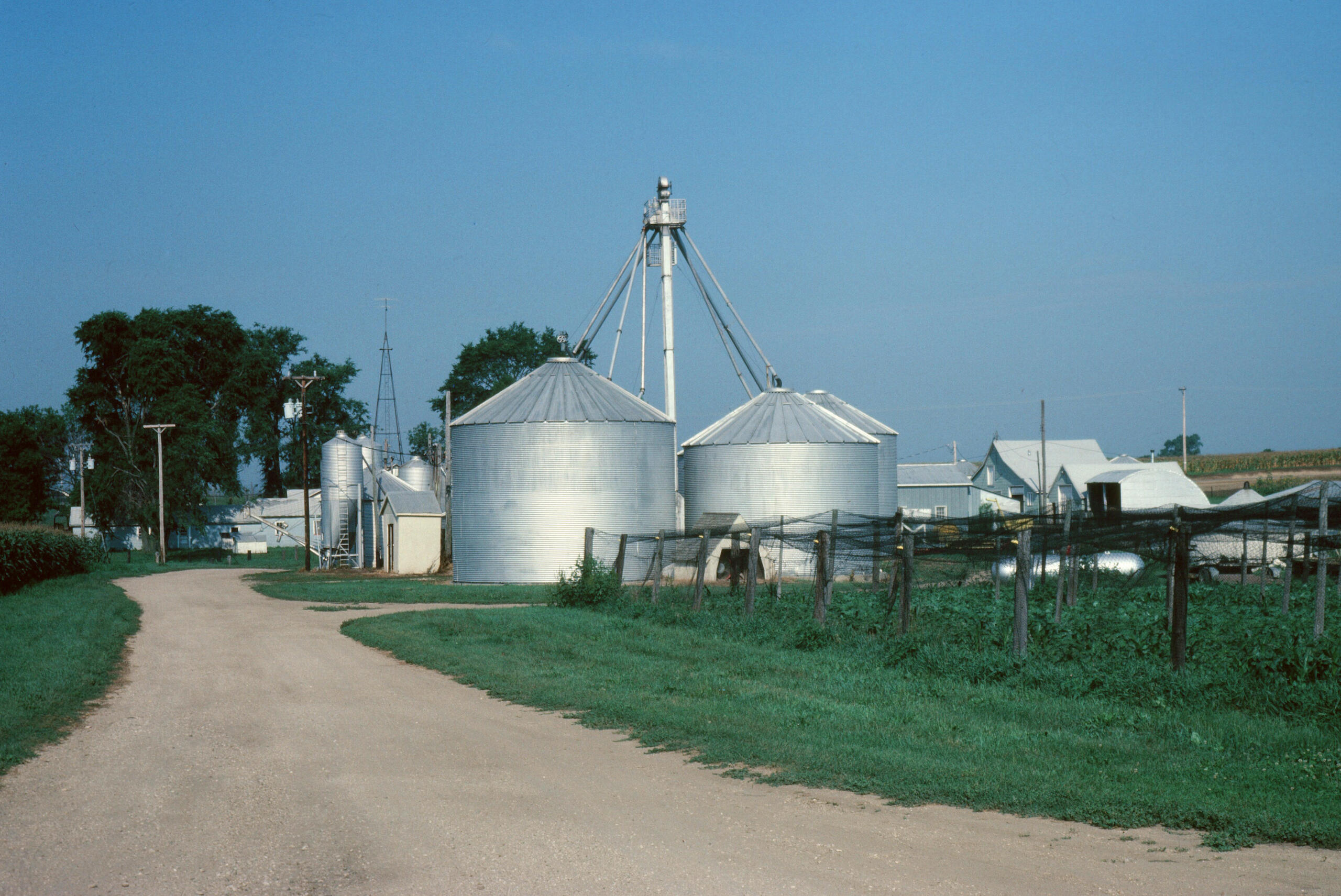
In 2016, a location in Seneca, Missouri, was purchased. This farm was originally purchased with the intention of raising white birds. The project fell through, and we transitioned the farm into a breeder operation.
Continued Genetic Advancements

By 2017, continued genetic improvements reduced the time needed for white birds to reach market weight, achieving 3.7 pounds in just 12 weeks without compromising quality.
In April, we purchased a new farm in Rocky Comfort, Missouri.
Expanding into Pet Food
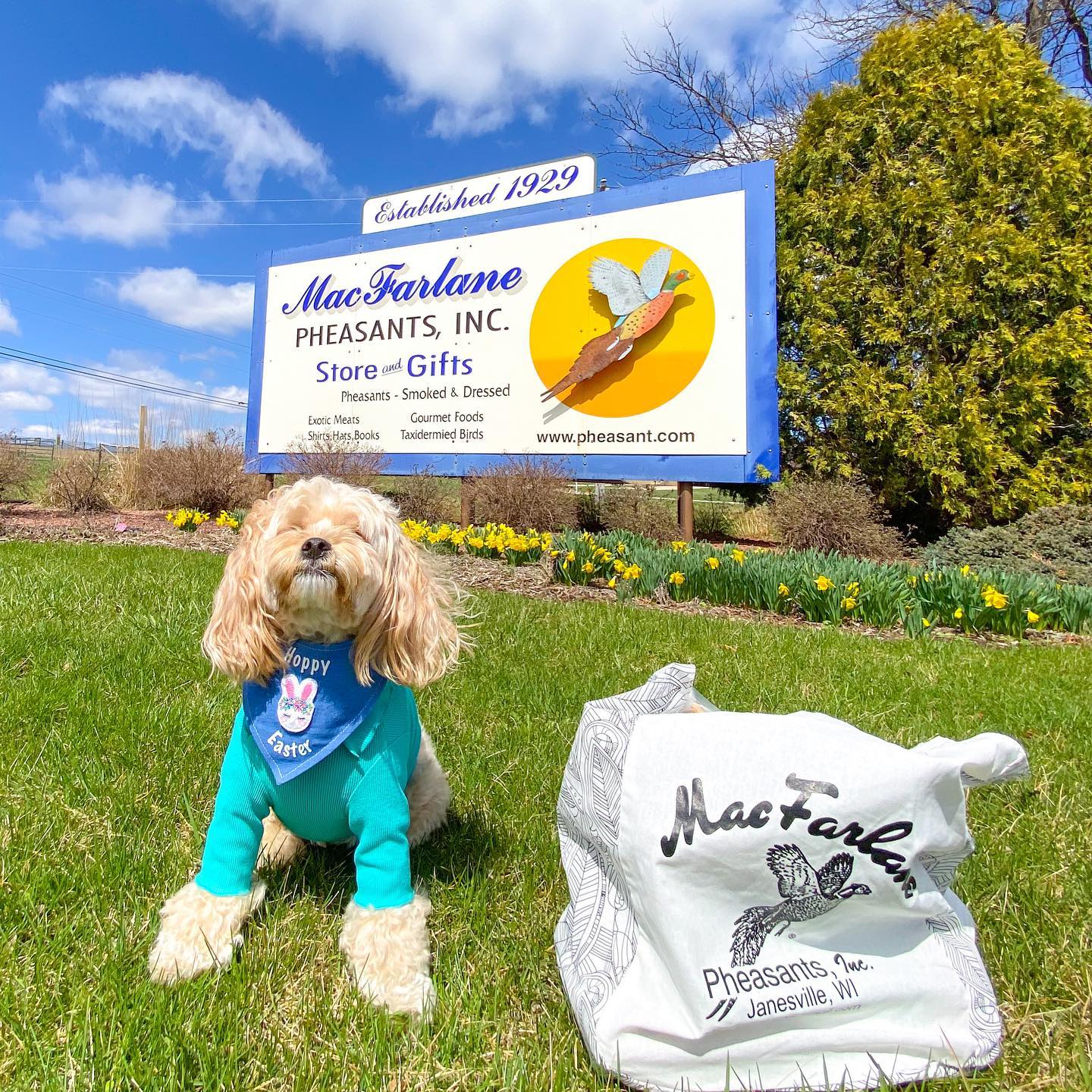
In 2019, the company launched Pure Pheasant, a new pet food line offering raw diets and natural treats. This expansion helped reduce waste and opened another sustainable revenue stream.
In January, we purchased a farm in Seligman, Missouri, to further expand our operations.
Recognizing a Lifetime of Leadership
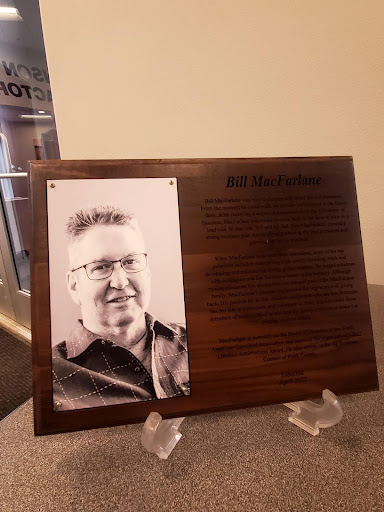
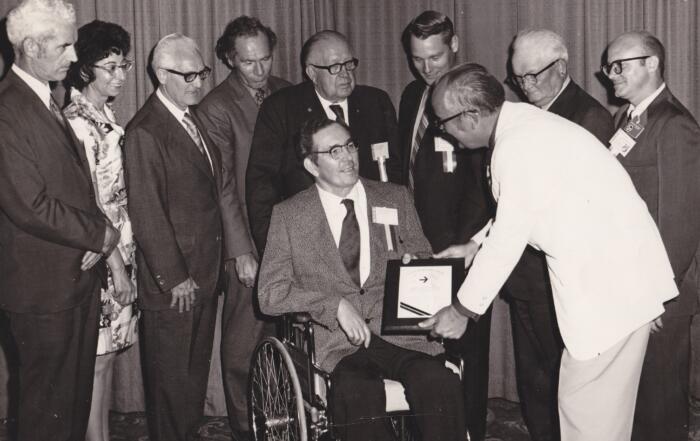
In 2022, Bill MacFarlane was inducted into the Rock County Agricultural Hall of Fame and received the Lifetime Achievement Award from the North American Game Bird Association, recognizing his decades of leadership and innovation.
Growth, Transition & Resilience
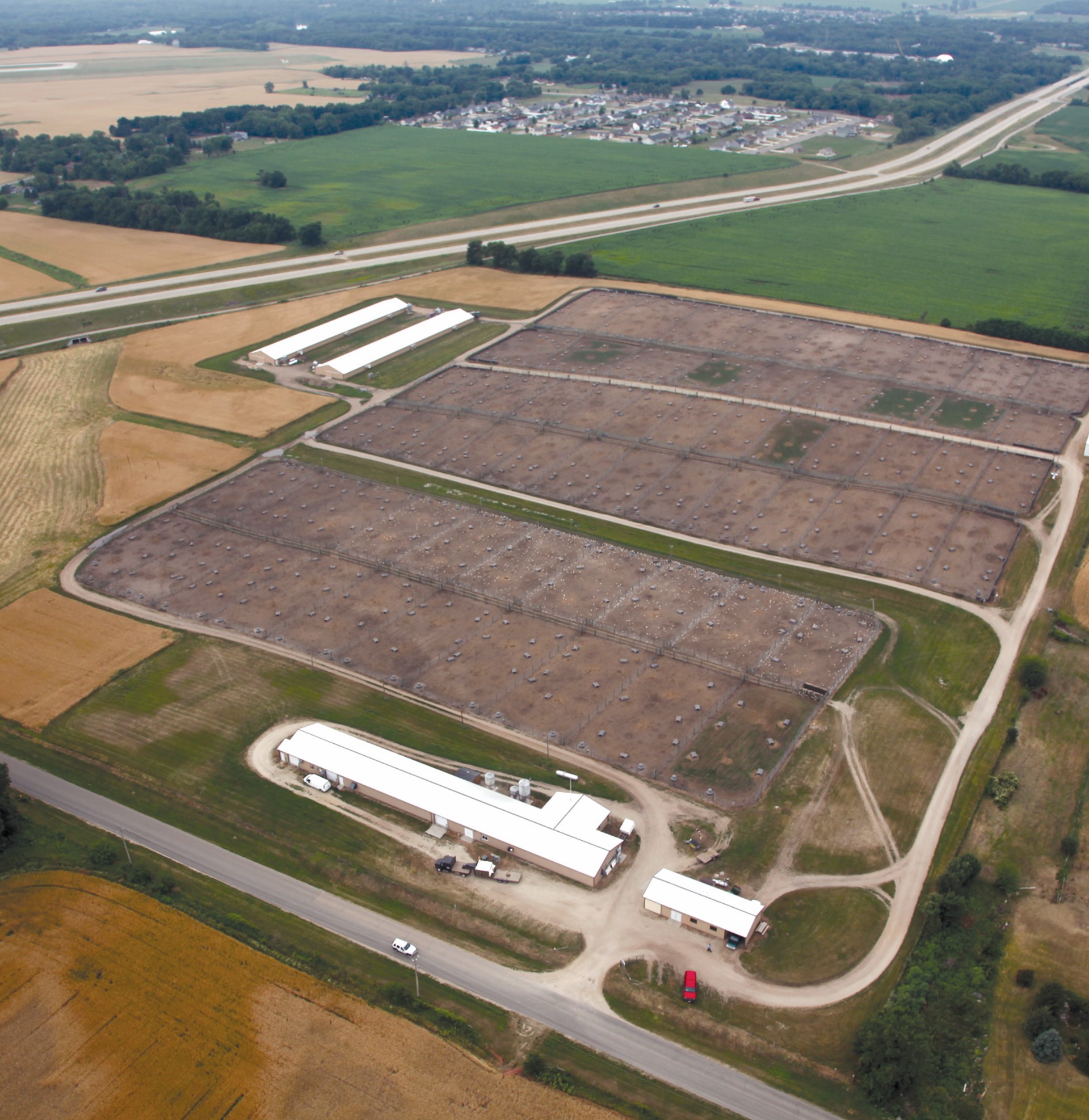
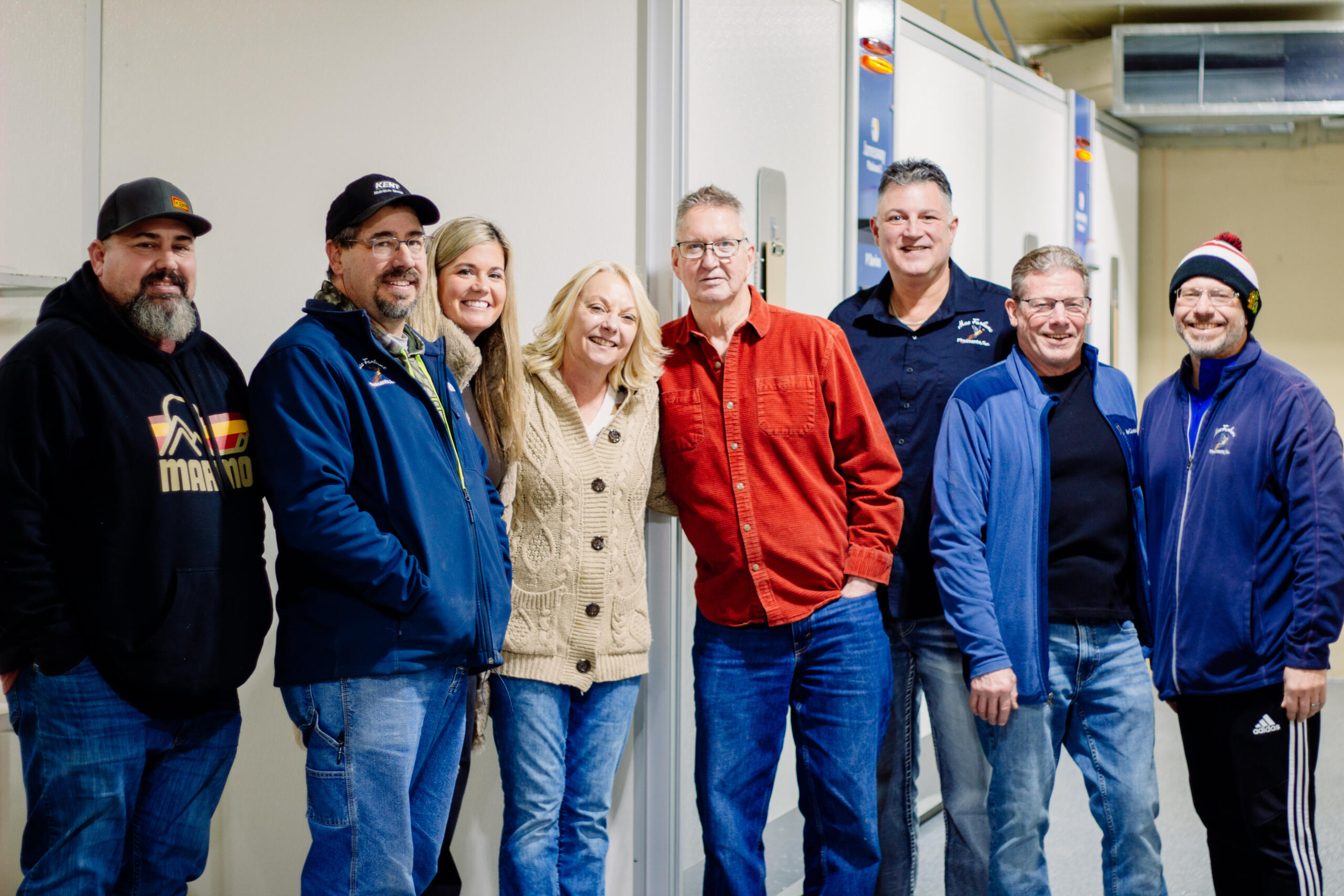
In 2024, the farm’s white bird division, including the dressed pheasant and Pure Pheasant pet food lines, was sold to a long-term employee, ensuring continued success under familiar leadership. Our freezer and cut-up facility were sold in the 2023 land sale. It was cost-prohibitive to replace those facilities so this played a major role in our decision to sell off this portion of our business.
That same year marked several other milestones for the farm.
Farm Struck by Devastating Tornado
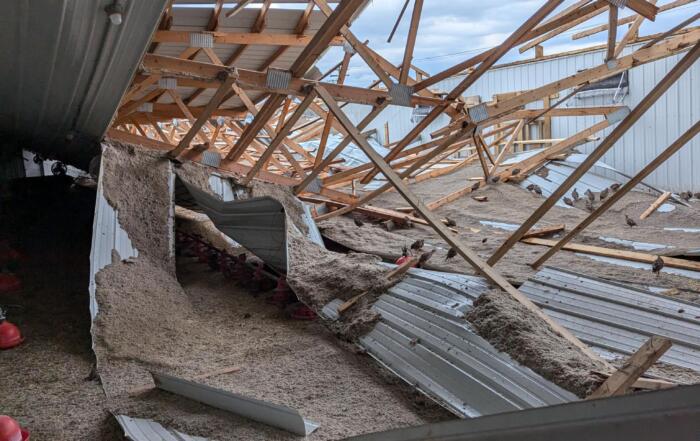
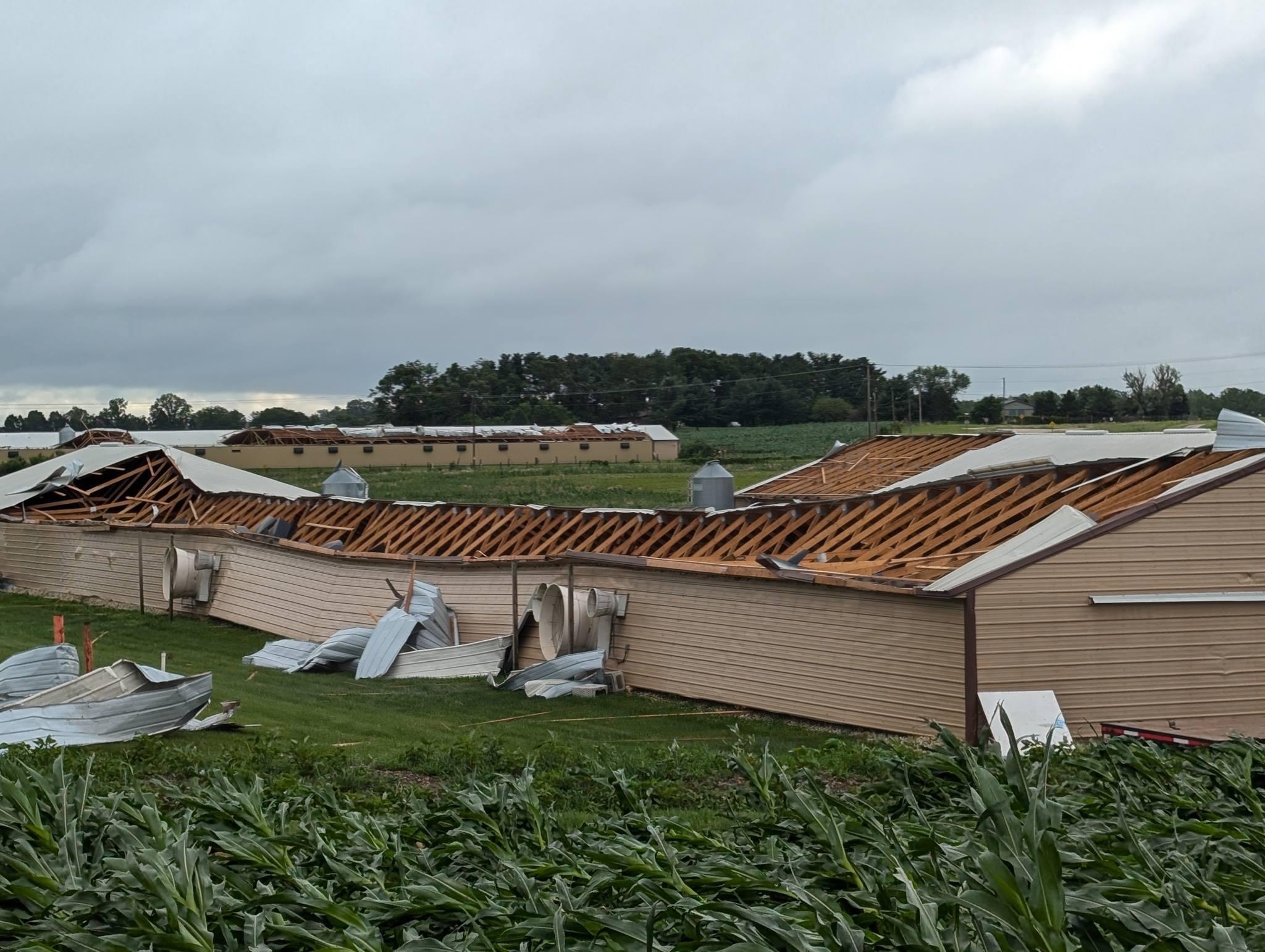
In June, a devastating tornado struck the farm, destroying more than 16 acres of pens and resulting in the loss of tens of thousands of birds. Despite the challenges, the team’s resilience and commitment to rebuilding demonstrated the enduring strength of the MacFarlane legacy.
Completed Hatchery Expansion
MacFarlane Pheasants completed a major hatchery expansion that nearly doubled production capacity.
The improvements increased weekly hatch output from 91,000 to 193,500 eggs, enabling the farm to meet rising demand while maintaining exceptional quality and care standards.
Built 16 Acres of New Pens
With guidance from Jim Clark, we completed another 16 acres of new pens between the River Road pens and west of the Oak Hill pens.
Investing in Efficiency
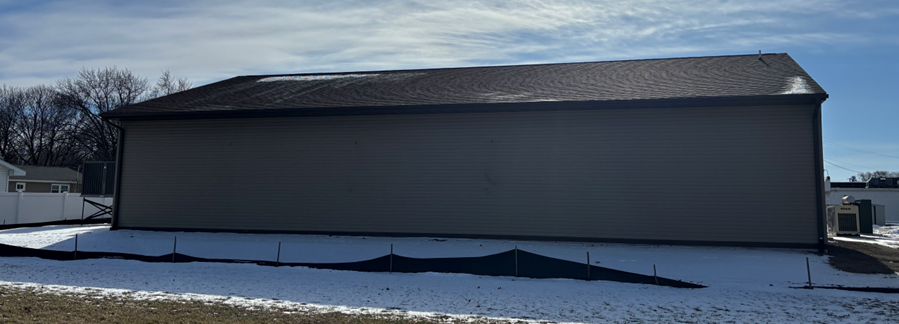
MacFarlane Pheasants completed two new buildings at 2800 S. Oakhill Avenue in Janesville: a machine shed and a straw shed.
We celebrated the official opening of our expanded hatchery with a ribbon cutting event.