Ringneck Pheasant

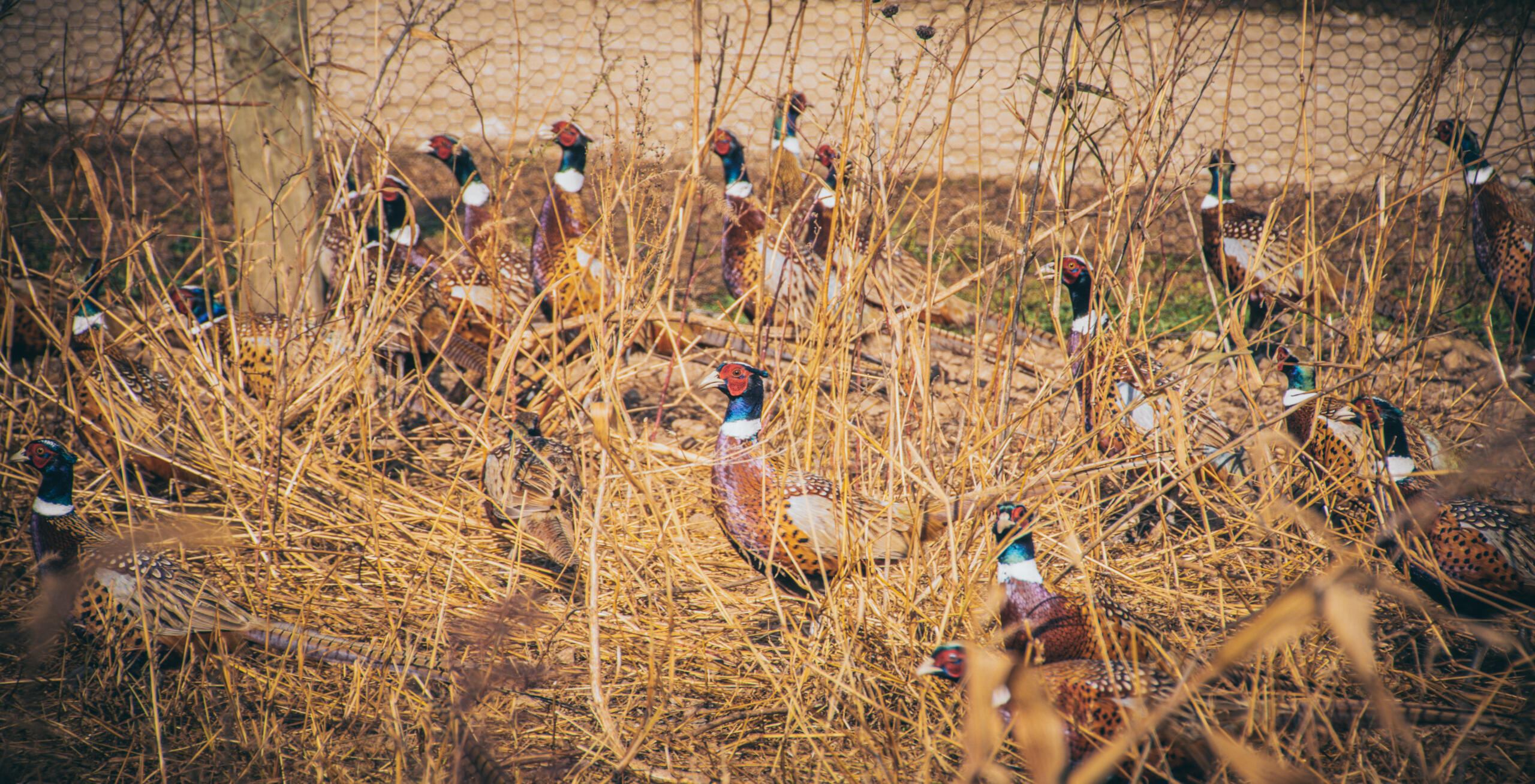
The most popular of breeds, our Ringneck pheasant is used primarily for stocking and hunting. The weight of our Ringnecks at maturity (22 weeks) is 2.7-3 lbs. for the cocks and 1.7-2.2 lbs. for the hens.

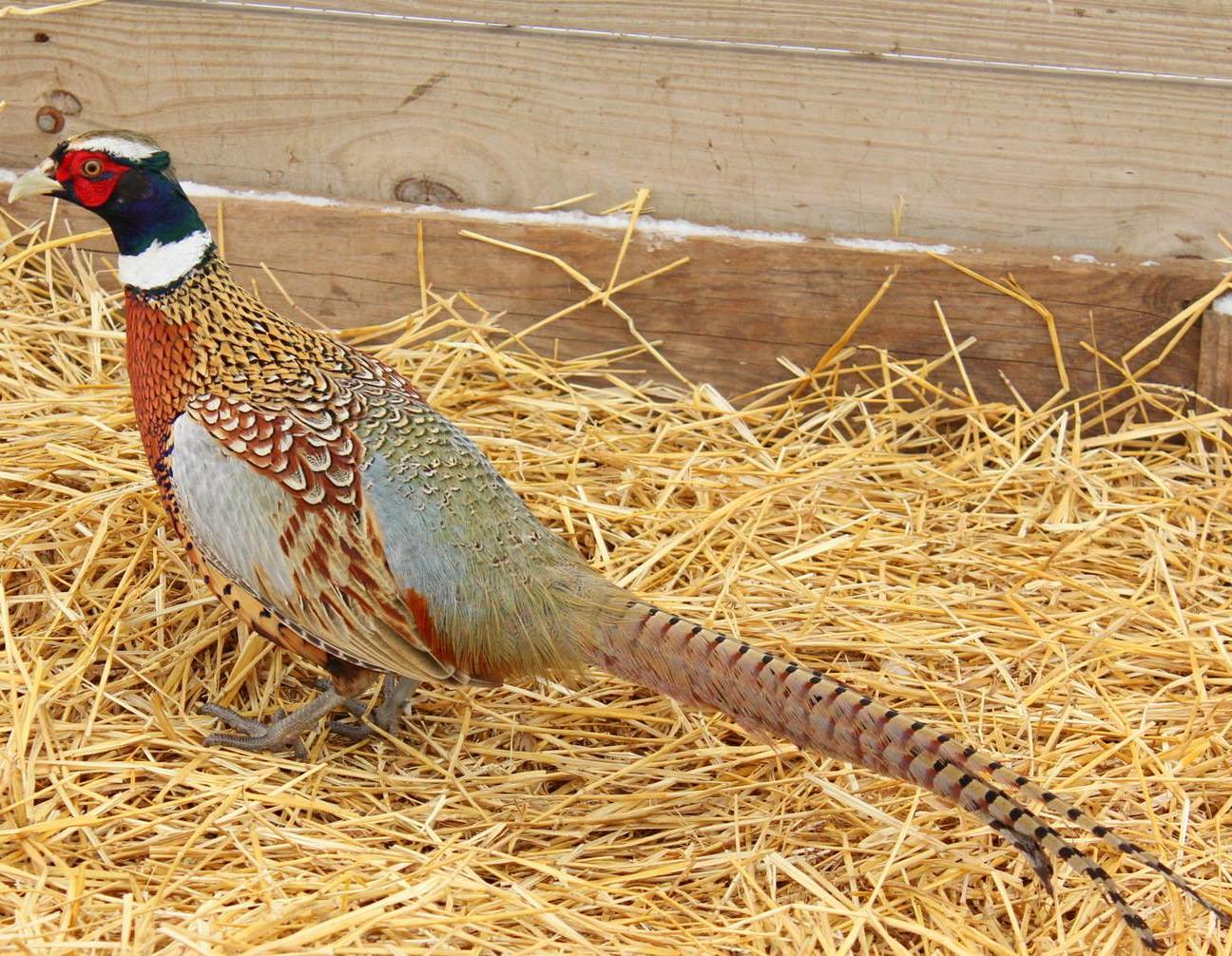
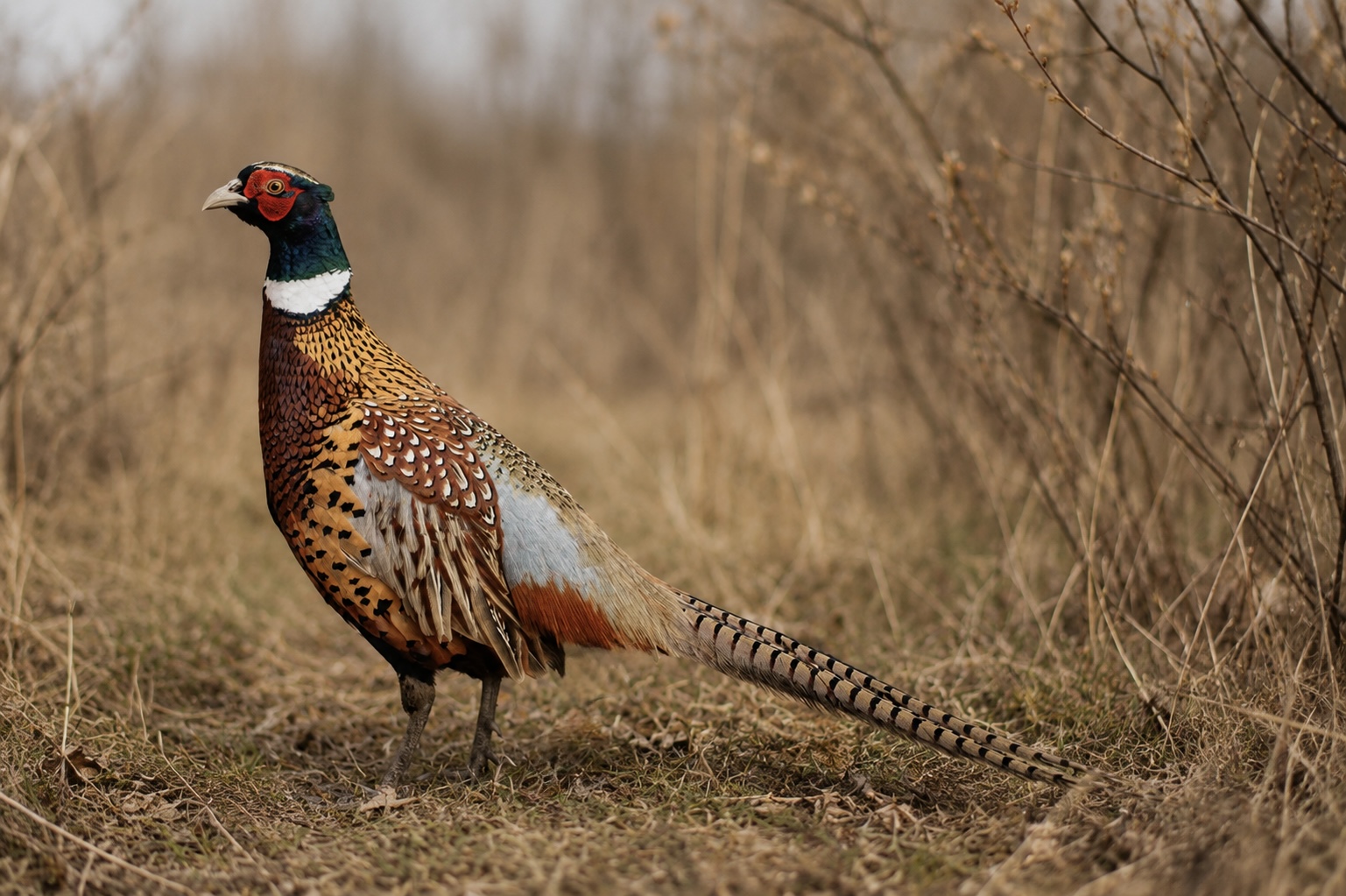
These hardy birds adapt readily to the wild and are prized by sportsmen for their excellent flying ability and brilliant colors. For years our Ringnecks were primarily blue backed pheasants with yellow flanks. We are transitioning our Ringnecks to have more green (along with the blue) on their backs, and to have deep yellow to orange flanks.

FAQs About Ringneck Pheasants

Ringneck pheasants are one of the most popular game birds in North America. Known for their striking appearance and strong flight, they are commonly raised for hunting preserves, dog training, wildlife habitat projects, breeding programs, and personal game bird flocks.

At MacFarlane Pheasants, we raise premium-quality ringneck pheasants with a focus on bird health, genetics, and exceptional field performance.

Ringneck pheasants grow quickly and typically reach full maturity in 16 to 20 weeks, depending on their genetics, nutrition, and environment.

Young chicks develop rapidly during their first few months, progressing from fluffy hatchlings to fully feathered birds capable of strong flight. By fall, mature pheasants are ready for hunting preserves, breeding programs, or other game bird operations.

Yes! At MacFarlane Pheasants, we offer ringneck pheasants at multiple stages to fit your needs.

You can purchase:

The best age depends on your goals.

  • Fertile eggs are ideal for customers with incubators who want to hatch their own birds.
  • Day-old chicks allow you to raise pheasants from the very beginning.
  • Started birds reduce brooding time and simplify care. 
  • Mature birds are ready for release, hunting preserves, breeding programs, or dog training with minimal additional raising required.

Choosing the right stage depends on your experience, timeline, and intended use.

Ringneck pheasants require a balanced diet that changes as they grow. Their diet typically includes:

  • High-protein game bird starter feed for chicks
  • Balanced grower and maintenance feeds
  • Corn and grains
  • Seeds
  • Native grasses
  • Insects and other natural protein sources
  • Green vegetation

Providing proper nutrition from hatch to maturity helps produce healthy birds with excellent feather quality and flight performance.

Yes. Ringneck pheasants are known for their fast, powerful flight.

When properly raised and conditioned, mature pheasants flush quickly, climb rapidly, and provide the exciting flights that hunters and sporting dogs expect. At MacFarlane Pheasants, we focus on producing healthy, flight-conditioned birds that perform well in the field.

As ringneck pheasants mature, males and females become easy to distinguish.

Roosters develop:

  • A metallic green head
  • White neck ring
  • Bright copper and gold feathers
  • Long colorful tail

Hens have:

  • Mottled brown feathers
  • Smaller bodies
  • Shorter tails
  • Natural camouflage for nesting

These differences become more noticeable as birds approach maturity.

Have more questions? Contact us today and we’d be happy to answer and guide you in the right direction.

Learn More About Our Pheasants:
See Our Latest Blog Posts About Ringneck Pheasants