What Do Pheasants Eat? A Complete Guide to Feeding Pheasants
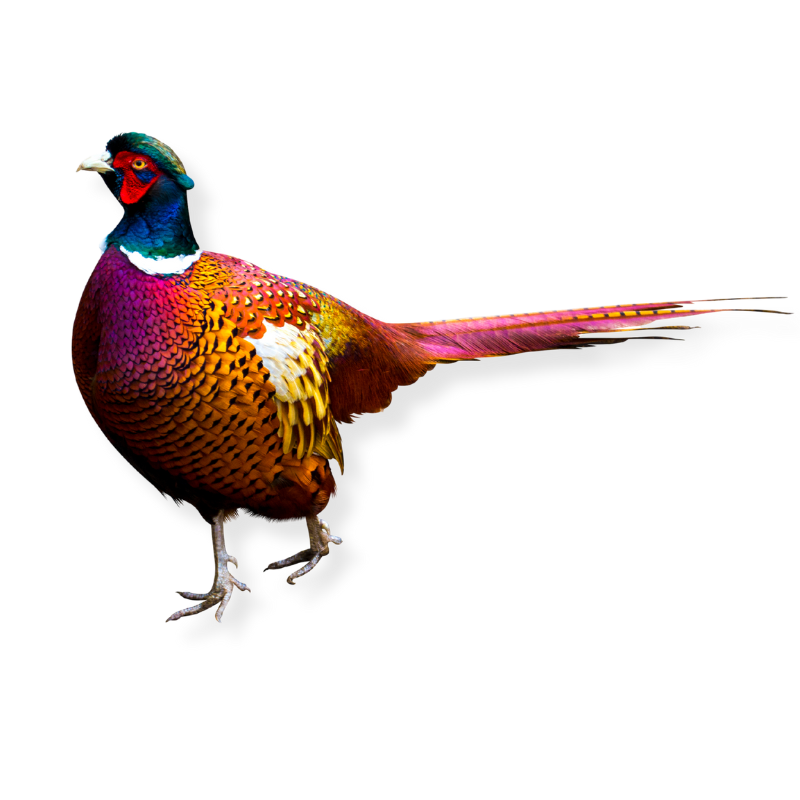
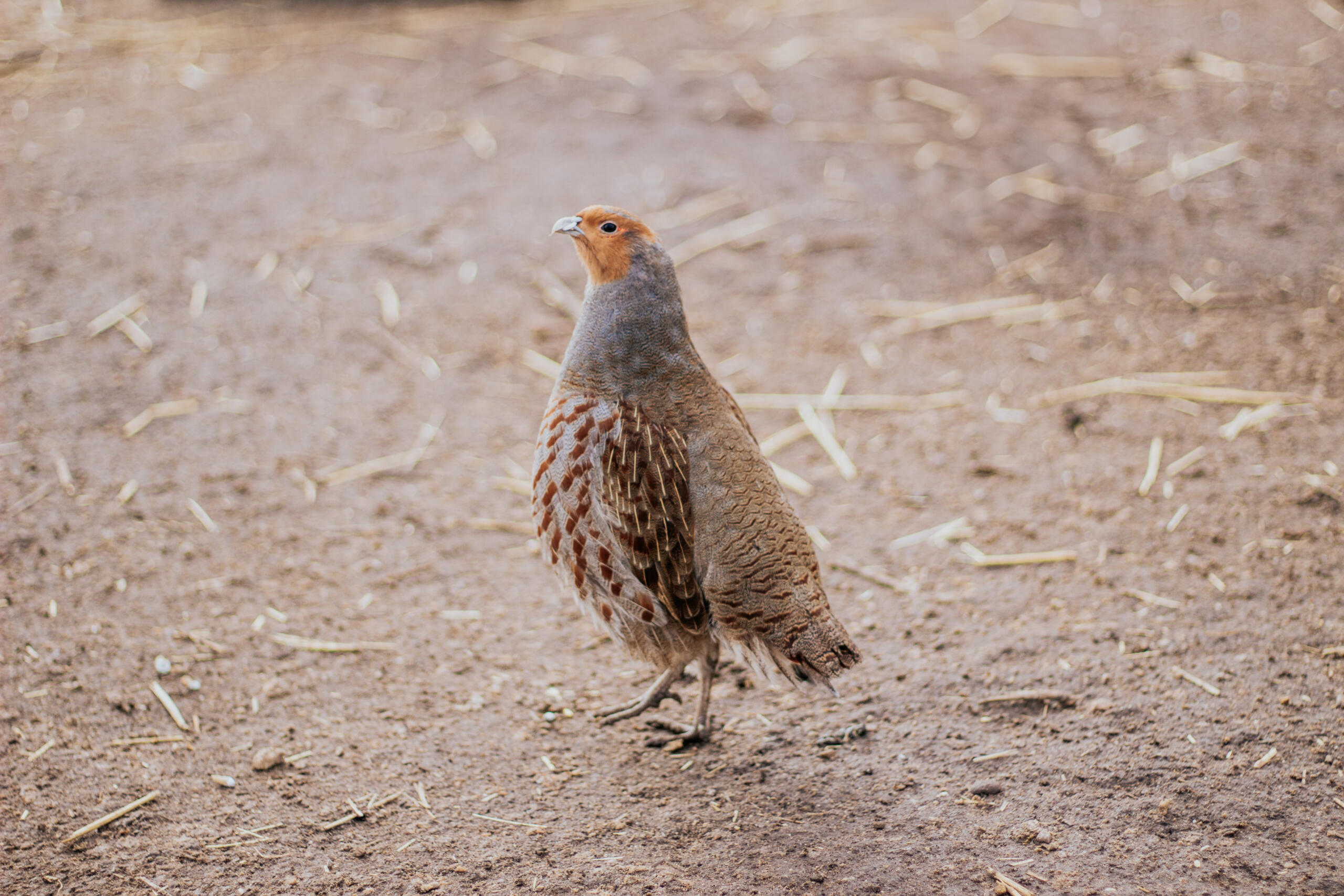
What do pheasants eat? In the wild, pheasants eat a varied diet that includes seeds, grains, plants, insects, worms, and other foods they find while foraging. Pheasants being raised in captivity should receive a balanced gamebird feed formulated for their age, with young pheasants requiring considerably more protein than mature birds.
At MacFarlane Pheasants, we’ve spent generations learning what it takes to raise healthy gamebirds. Feeding pheasants properly is an important part of that process. The best food for pheasants changes as they grow, so understanding their nutritional needs from the chick stage through maturity can help you raise healthier birds.
What Do Pheasants Eat?
A pheasant’s diet depends largely on whether it is living in the wild or being raised in captivity.
Wild pheasants are opportunistic feeders. Their diet can include:
- Seeds and grains
- Grasses and other plant material
- Berries and other available vegetation
- Insects
- Worms and other small invertebrates
What a wild pheasant eats changes with the season and what is available in its habitat. Insects can be particularly important for young, growing birds, while grains and seeds become an important food source for older pheasants.
Pheasants raised in captivity have different considerations. Rather than relying on whatever foods are available naturally, a complete gamebird feed provides a more consistent balance of protein and other nutrients.
At MacFarlane Pheasants, our birds receive specially formulated feed with protein levels adjusted according to their age and stage of development.
What Should You Feed Pheasants in Captivity?
For pheasants being raised on a farm, preserve, or private property, we recommend using a commercial gamebird feed appropriate for the bird’s age.
Game bird feed is formulated specifically for birds such as pheasants and generally provides a better nutritional balance than trying to create a diet from individual grains or household foods.
Protein is particularly important. Growing pheasant chicks require substantially more protein than mature birds, which is why you will see feeds labeled as pre-starter, starter, grower, and maintenance feeds.
When purchasing pheasant food, look beyond the name on the bag and check the nutritional information. The protein content should be appropriate for the age of your birds.
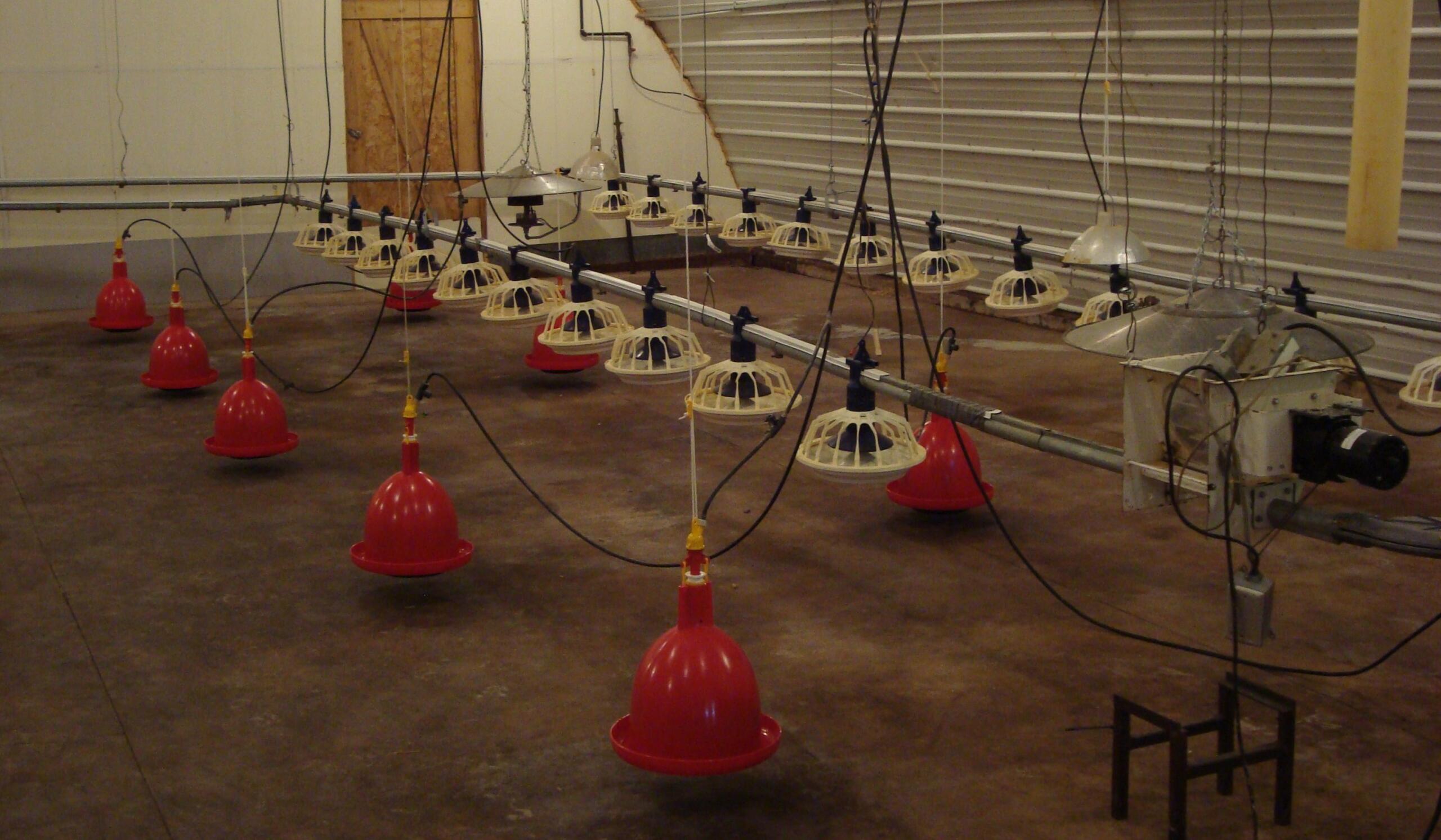
Fresh, clean water is equally important. Pheasants should have access to water at all times, and feeders and waterers should be positioned so all birds can easily reach them.
What Do Baby Pheasants Eat?
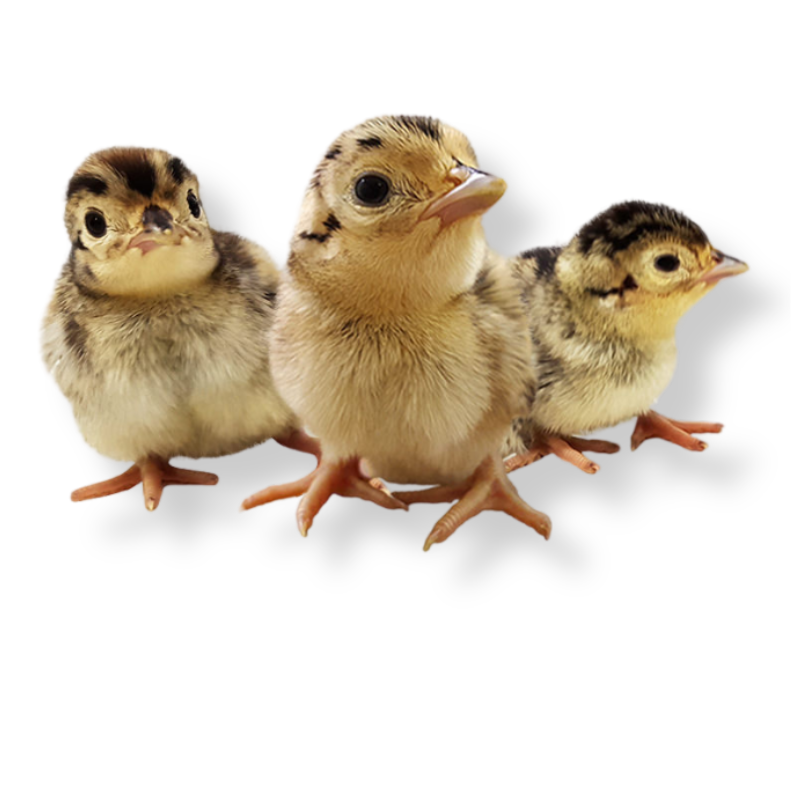
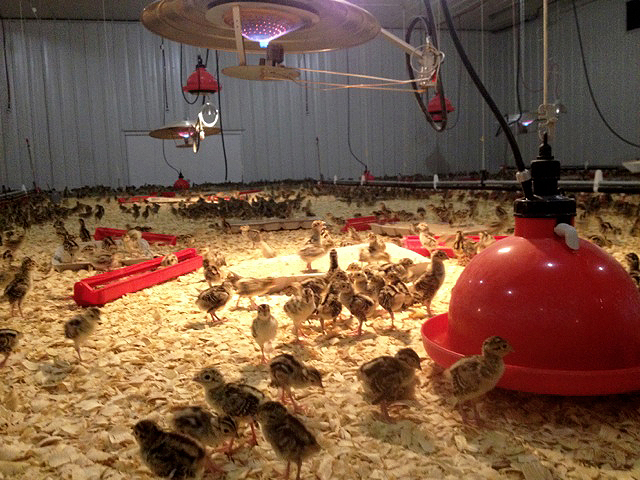
Baby pheasants need a high-protein gamebird starter feed to support their rapid early growth.
At MacFarlane Pheasants, newly hatched chicks begin with a gamebird pre-starter containing approximately 28% protein. As they grow, their protein requirements gradually decrease.
Feed should also be easy for young chicks to eat and readily accessible. During the first days of life, getting chicks eating and drinking consistently is one of the most important parts of successful pheasant rearing.
Young pheasants require considerably more protein than mature birds. See our guide to pheasant chick feed and protein requirements for more detailed recommendations on feeding baby pheasants as they grow.

How Does Pheasant Feed Change With Age?
You shouldn’t feed a day-old pheasant chick the same food you give a mature pheasant. Nutritional requirements change significantly as birds grow.
At MacFarlane Pheasants, our general feeding program follows these guidelines:
| Pheasant Age | Feed Type | Protein |
|---|---|---|
| Up to 6 Weeks | Game bird pre-starter (crumble) | 28% |
| 6 – 22 Weeks | Game bird grower (mini pellets) | 20% |
| 22+ Weeks | Game bird maintenance (mini pellets) | 14% |
These recommendations provide a general overview of how a pheasant diet changes with age. Feed programs can vary based on the birds being raised and other management considerations.
Breeding hens are another exception. During the breeding season, our hens receive feed fortified with additional calcium to support egg production.
For more detailed information about protein requirements and transitioning between feeds, see our pheasant feed and protein guide.
Can Pheasants Eat Chicken Feed?
Chicken feed is not our first choice for pheasants.
Pheasants, particularly young chicks, have different nutritional requirements than chickens. Standard chicken feed may not contain enough protein to properly support a growing pheasant.
If gamebird feed isn’t available in your area, we generally recommend turkey feed rather than chicken feed as the next-best option because its nutritional profile is typically closer to the needs of growing gamebirds. Be sure to check the protein content before choosing a substitute.
Pheasants can also eat many individual foods, grains, and plants, but just because a pheasant will eat something doesn’t mean it should make up a significant part of its diet. A nutritionally complete gamebird ration should remain the foundation for captive birds.
See our guide to what pheasants can eat and what not to feed pheasants for a closer look at individual foods and feeding considerations.
Do Pheasants Eat Corn?
Yes, pheasants can eat corn. Wild pheasants commonly forage for waste grain, including corn, in agricultural areas.
We also occasionally supplement our birds with a small amount of cracked corn during prolonged periods of cold weather. However, corn should not replace a nutritionally balanced gamebird feed for pheasants being raised in captivity.
Moderation is important. Think of grains such as cracked corn as a supplement rather than the foundation of a pheasant feeding program.
How Much Do Pheasants Eat?
How much a pheasant eats per day depends on several factors, including:
- Age
- Size
- Weather
- Feed formulation
- Activity level
- Stage of development
Temperature can make a noticeable difference. Pheasants tend to eat less as temperatures rise and consume more feed when temperatures fall.
Rather than assuming every bird will eat a fixed amount each day, monitor your flock’s consumption and make sure feed and fresh water remain readily available.
For specific consumption estimates, see our guide to how much pheasants eat and drink per day.
Choosing the Best Food for Pheasants
The best food for pheasants is one that provides the appropriate nutrition for their age without making feeding unnecessarily complicated.
When choosing pheasant feed:
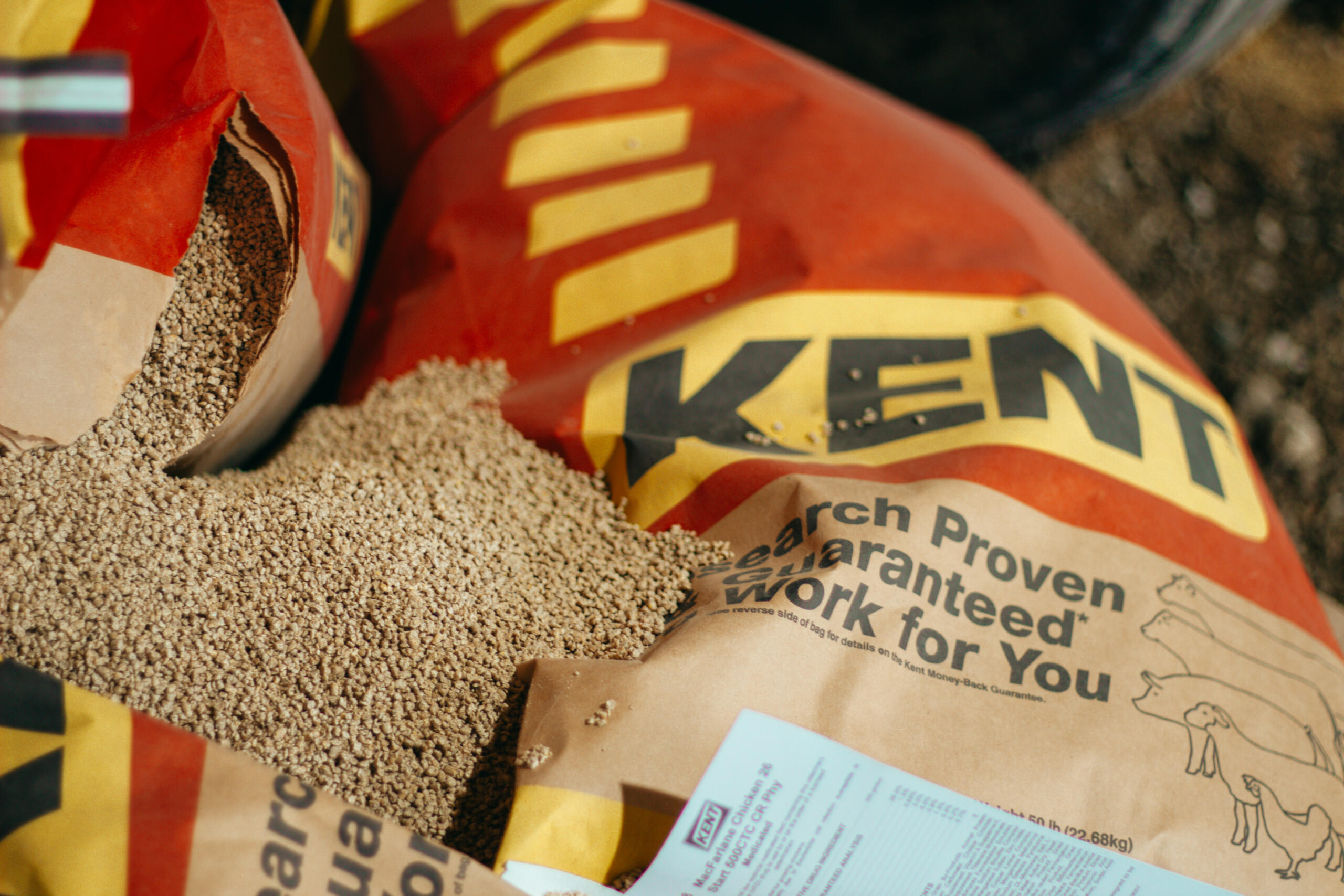
- Choose gamebird feed whenever possible. It is formulated with the nutritional needs of gamebirds in mind.
- Check the protein percentage. Younger birds require substantially more protein than mature pheasants.
- Use the appropriate feed for the bird’s age. Transition from pre-starter to starter, grower, and maintenance feed as birds develop.
- Provide plenty of feeder space. Birds shouldn’t have to compete excessively to eat.
- Keep feed fresh and dry. Proper storage helps protect feed quality.
- Provide fresh water at all times. Water is just as important as feed to the health of your birds.
- Watch your pheasants. Feed consumption, growth, feather condition, and behavior can help you identify potential problems.
At MacFarlane Pheasants, we have also found that feed ingredients matter. Our feeding programs are developed around the nutritional needs of our birds rather than simply choosing feed based on cost or protein percentage alone.
What About Feeding Partridges?
Partridges have their own nutritional requirements.
In our operation, we have had good results feeding partridges a 28% protein gamebird pre-starter through approximately six weeks of age, followed by a 20% protein gamebird grower until 22 weeks.
If you’re raising multiple types of gamebirds, don’t assume that one feeding schedule will be appropriate for every species. Consider the nutritional requirements of the specific birds you’re raising.
Frequently Asked Questions About Feeding Pheasants
Learn More About Feeding and Raising Pheasants
Proper nutrition is one of the foundations of raising healthy pheasants. Start with a quality gamebird feed, match its protein content to the age of your birds, provide plenty of fresh water, and pay attention to how your birds are eating and developing.
MacFarlane Pheasants has been raising gamebirds for generations, and many of our feeding recommendations come from years of firsthand experience managing pheasants at different stages of development.
For more detailed information, explore our guides covering pheasant chick feed and protein requirements, how much pheasants eat each day, and what pheasants can and cannot eat. If you have questions about a feeding program for your birds, contact us for additional guidance.
 Maintenance Shop Expansion Underway at MacFarlane Pheasants
 How to Hatch Pheasant Eggs: 10 Expert Tips for Incubating Pheasant Eggs Successfully
Related Posts
6 Feed and Water Procedures to Keep MacFarlane Pheasants Healthy
Read Post
What to Feed Baby Pheasants: Pheasant Chick Feed & Protein Guide
Read Post
What Can Pheasants Eat? Foods to Feed and Foods to Avoid
Read Post
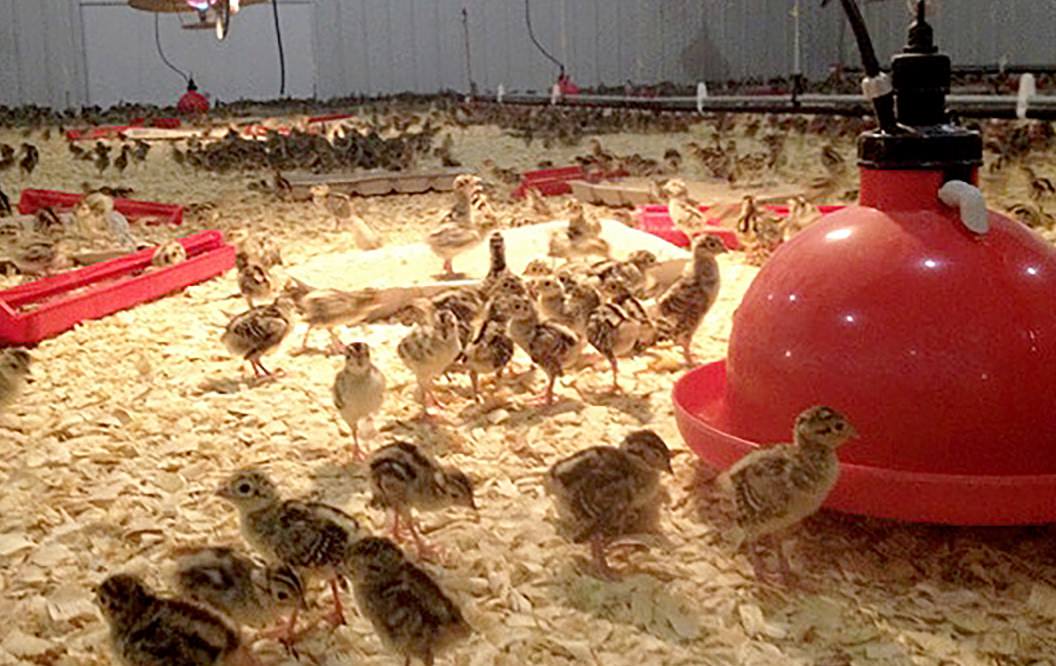
Feed and Water Systems-Critical Concerns
Read Post
How Much Does It Cost to Raise Pheasants?
Read Post
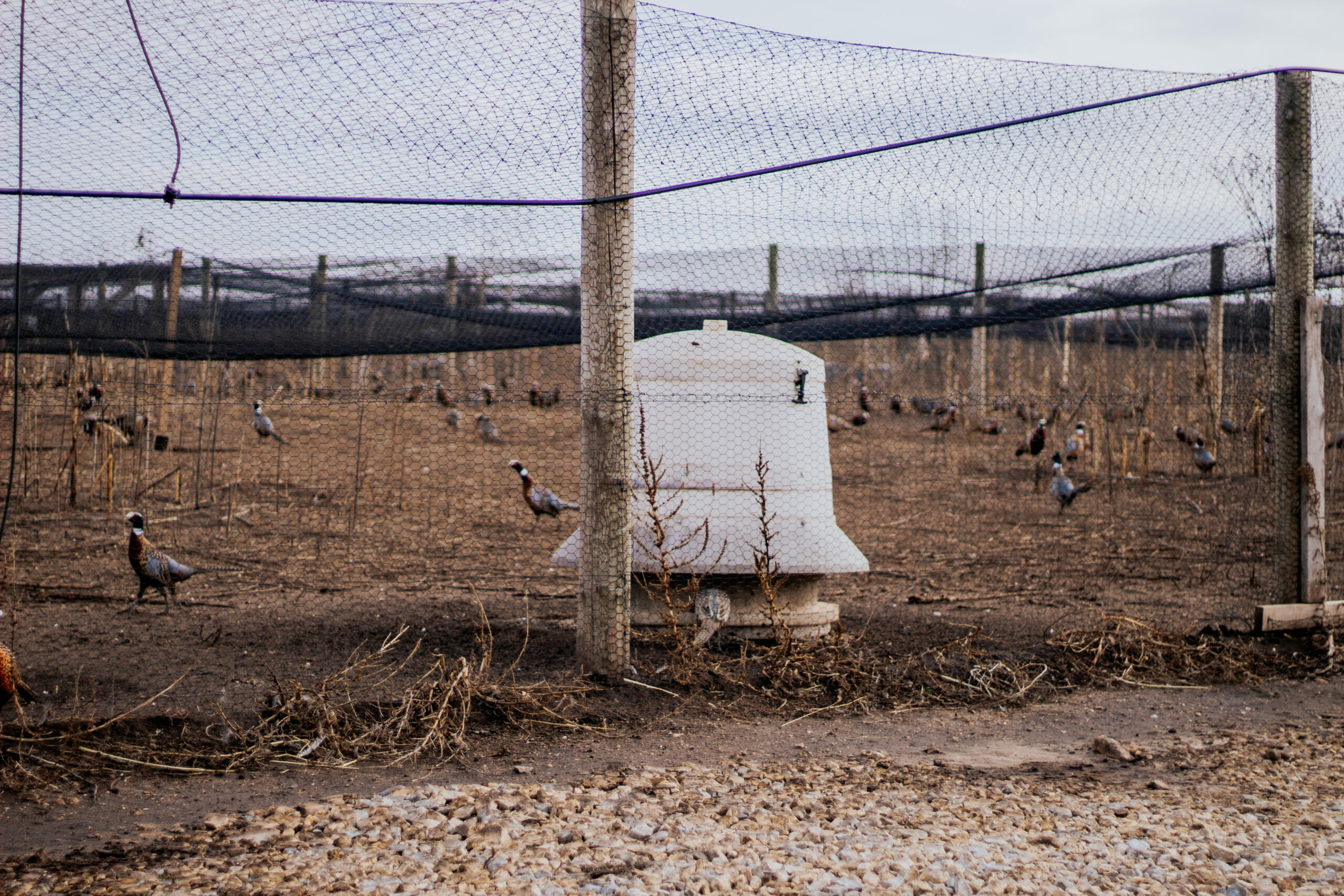
Fixing Feeder Issues in The Outside Pens
Read Post
Healthy Gamebirds Require High Quality Feed
Read Post
MacFarlane Pheasants Discusses Dietary Needs of White Pheasants
Read Post
Take Advantage of These Free Resources
As the biggest gamebird farm in the United States, we want to share our experience with you. Download our free resources below and get started.