What to Feed Baby Pheasants: Pheasant Chick Feed & Protein Guide
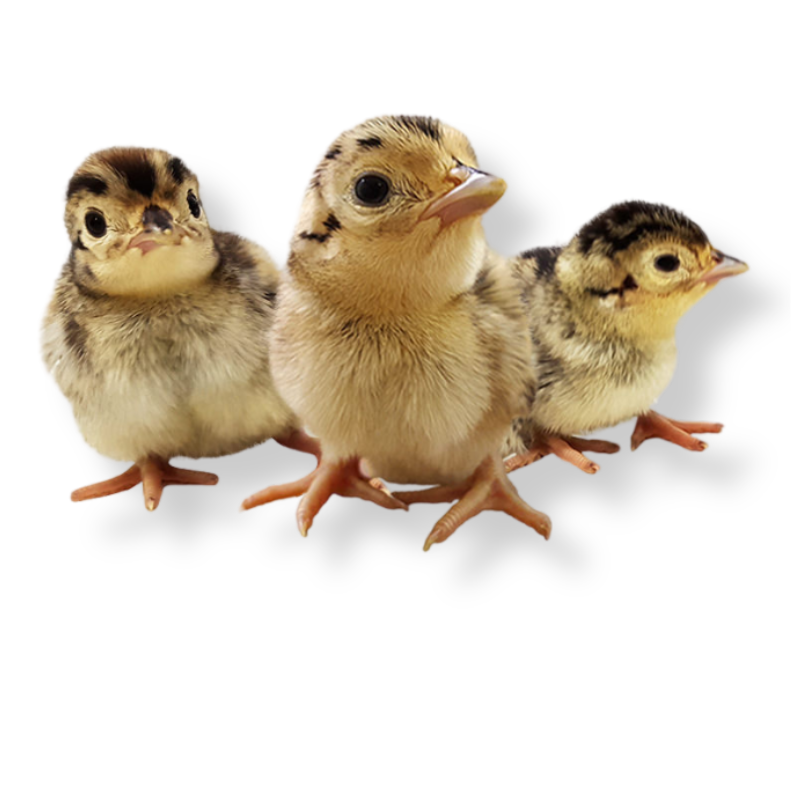
Knowing what to feed baby pheasants is an important part of raising healthy birds. Pheasant chicks grow quickly during their first several weeks of life and need considerably more protein than mature pheasants. A high-quality pheasant chick feed provides the protein and other nutrients needed to support that early growth, feather development, and overall health.
At MacFarlane Pheasants, we’ve adjusted our feeding program over the years based on research and what we’ve learned from raising pheasants on our farm. While every flock should be closely monitored, the chart below provides a good starting point for choosing pheasant feed by age.
Pheasant Chick Feed & Protein Requirements by Age
| Pheasant Age | Feed Type | Protein |
|---|---|---|
| Up to 6 Weeks | Game bird pre-starter (crumble) | 28% |
| 6 – 22 Weeks | Game bird grower (mini pellets) | 20% |
| 22+ Weeks | Game bird maintenance (mini pellets) | 14% |
These are general guidelines. Feed consumption, weather, bird condition, and the way birds are being raised can all affect feeding decisions.
What Should You Feed Baby Pheasants?
For newly hatched pheasants, we recommend a gamebird pre-starter formulated with approximately 28% protein.
Years ago, our farm used a 30% protein pre-starter. As research and feeding practices evolved, we transitioned to 28% protein and found it provided the results we were looking for. Today, 28% protein gamebird pre-starter is a common choice for starting pheasant chicks.
The important distinction is that pheasant chicks shouldn’t simply be fed whatever poultry feed happens to be available. Their rapid early development creates different nutritional demands than those of mature birds.
Why Do Pheasant Chicks Need High-Protein Feed?
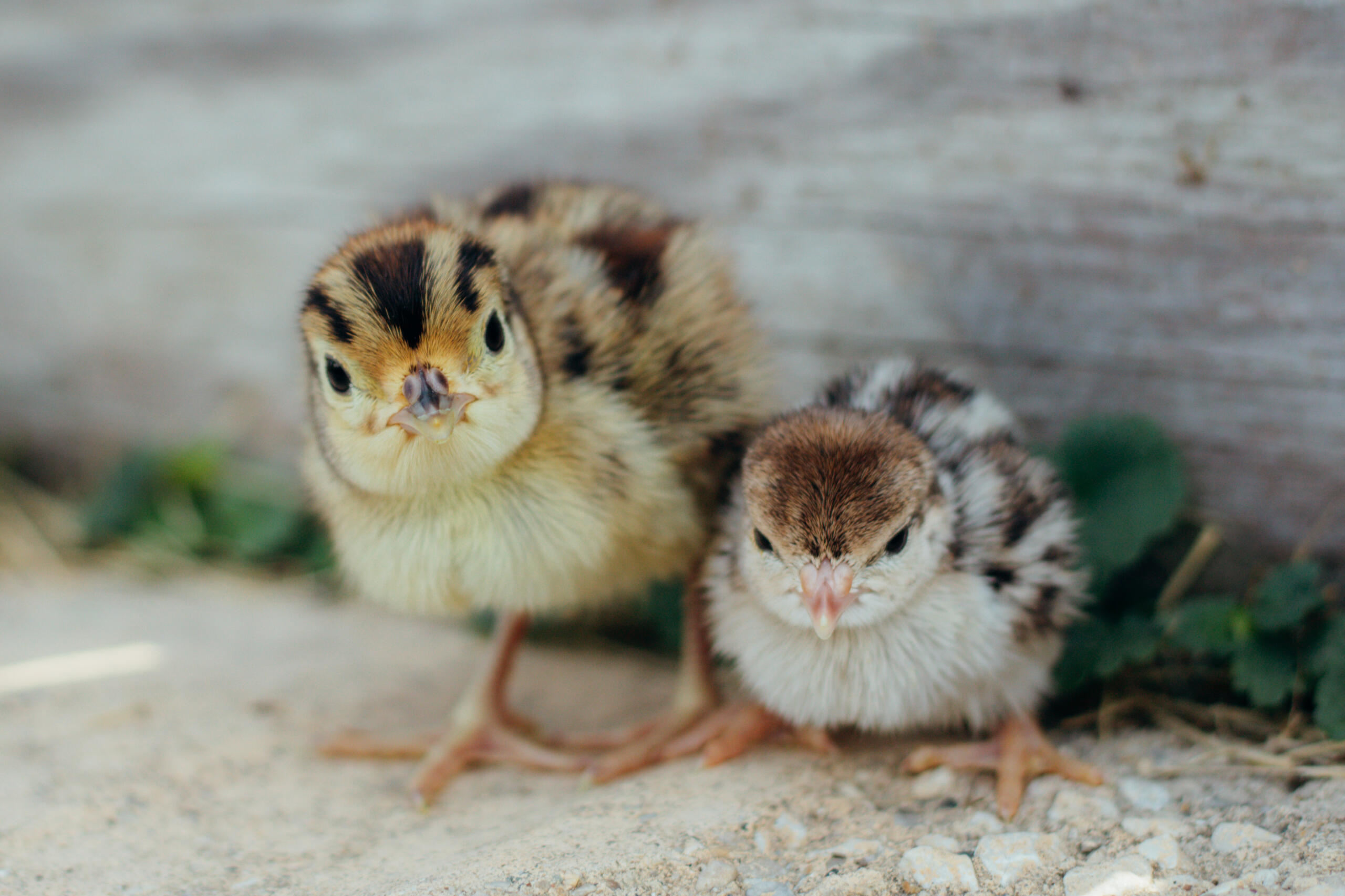
Pheasant chicks grow quickly. During those first several weeks, they’re developing muscle, bones, feathers, and the body systems needed to become healthy mature birds.
Protein supplies amino acids that support this growth, which is why pheasant chick feed has a much higher protein percentage than maintenance feed for mature birds.
As growth begins to slow, the amount of protein required also decreases. This allows birds to transition through pre-starter, starter, and grower feeds rather than remaining on the same ration throughout their lives.
More protein isn’t automatically better. The goal is to match the feed to the bird’s stage of development.
When Should You Change Pheasant Feed?
At MacFarlane Pheasants, we generally start chicks on 28% protein pre-starter through approximately six weeks of age.
At around six weeks, birds can transition to approximately 20% protein grower feed.
On our farm, the timing of this transition often corresponds with moving birds into their next housing area. Rather than focusing on an exact day, consider the age and development of the birds as well as the feeding program you’re following.
Once your pheasants are 22 weeks of age, we suggest switching to a 14% maintenance feed.
How Does Weather Affect Pheasant Chick Protein Needs?
One lesson we’ve learned from raising pheasants in Wisconsin is that feed consumption changes with temperature.
During hotter weather, pheasants tend to consume less feed. That matters because a bird eating less feed is also consuming less total protein and other nutrients.
We’ve adjusted grower rations during particularly hot periods when older growing birds weren’t consuming as much feed as they normally would. During cooler weather, birds typically consume more.
This doesn’t mean the protein percentage needs to be changed every time the temperature moves. Instead, it’s a reminder that a feeding chart is a starting point. Pay attention to feed consumption, growth, feather condition, and the overall condition of your birds.
For specific information about how much pheasants eat per day, see our separate pheasant feed consumption guide.
Crumbles vs. Pellets for Pheasant Chicks
For young chicks, we recommend a crumbled gamebird feed. Crumbles are small enough for young pheasants to pick up easily while still providing the balanced nutrition of a complete feed.
Larger pellets are generally better suited for older birds.
Whatever form you use, feed should always be fresh, dry, and appropriate for the size and age of the bird.
As birds grow, the physical form of their feed can change along with its nutritional formulation.
What If You Can’t Find Pheasant or Gamebird Feed?
Game bird feed is our first choice because it’s specifically formulated for the nutritional requirements of birds such as pheasants.
If you can’t find gamebird feed locally, turkey feed is generally a better substitute than standard chicken feed, provided it has an appropriate protein level for the age of your pheasants.
Check the feed label carefully. Don’t rely solely on words like “starter” or “grower,” because formulations can vary considerably between products.
Compare the protein percentage and nutritional information with the requirements for the age of the birds you’re raising.
Do Pheasant Chicks Need Water With Their Feed?
Absolutely. Chicks should have clean, fresh water available at all times.
When chicks first arrive in the brooder, getting them drinking and eating is a priority. Waterers should be easy for chicks to access, appropriately sized, and checked frequently.
Avoid wet areas around waterers and keep equipment clean. Proper hydration works hand-in-hand with good nutrition during the early growth period.
For detailed recommendations about waterer types, placement, and watering systems, see our pheasant waterer guide.
Feeding Pheasants Beyond the Chick Stage
Once pheasants are past the rapid growth stage, they no longer require the same high protein levels they needed as chicks.
Grower feed bridges the gap between chick feed and adult feeding programs. Mature birds may eventually transition to a maintenance ration, while breeding birds have different nutritional requirements during the breeding season.
Rather than covering those diets in detail here, see our complete guide to what pheasants eat and how their diet changes throughout their lives.
 Flight Pen Construction: A Step-by-Step Look
 Choosing the Best Bedding for Pheasants and Gamebirds
Related Posts
Shipping Chicks Safely During Cold Weather Months
Read Post
Preparing Our Barns & Pens Each Spring
Read Post
A Comparison of Hatch Data Between Two Different Genetic Types of Pheasants
Read Post
DuPont Financial Analysis Model
Read Post
Post Office Tells FedEx to Start Carrying Live Animals
Read Post
MacFarlane Pheasants is Using 4-Wheelers for Farm Upkeep
Read Post
How We Winterize at Our Milton Farm
Read Post
WI Storms and MacFarlane Pheasants
Read Post
Take Advantage of These Free Resources
As the biggest gamebird farm in the United States, we want to share our experience with you. Download our free resources below and get started.