
Popular Game Bird Breeds and What Makes Each One Unique
Choosing the right game bird can make a big difference depending on your goals, whether you are stocking a hunting preserve, training dogs, starting a small operation, or looking for birds with strong survival and flight characteristics. At MacFarlane Pheasants, we raise a variety of game bird species, each with unique traits that make them valuable for different environments and hunting experiences.
Here’s a closer look at some of the most popular game bird breeds we raise and what makes each one stand out.
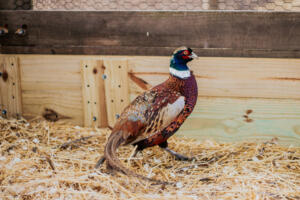 Chinese Ringneck Pheasants
The Chinese Ringneck is one of the most recognized and widely raised pheasant breeds in the United States and continues to be our most popular bird. Originally introduced to the U.S. from China in the late 1800s, these birds have adapted well across much of the country.
Hunters appreciate Chinese Ringnecks for their strong flying ability, colorful plumage, and exciting flushes. They are versatile birds that perform well in a variety of habitats and are commonly used on hunting preserves and for stocking programs.
Why Hunters and Producers Like Them
- Excellent flying ability
- Beautiful coloring and appearance
- Hardy and adaptable in many climates
- Great choice for hunting preserves and releases
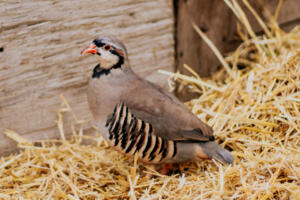 Chukar Partridges
Chukars are originally native to rocky, dry regions of Eurasia and thrive best in habitats with rolling hills, rocky terrain, brush cover, and access to water. They are especially popular for upland hunting because of their fast flushes and energetic behavior.
One of the most interesting things about Chukars is how they move through terrain. They often run uphill and flush downhill, creating a fun and challenging hunting experience.
Why Chukars Are Popular
- Fast, explosive flushes
- Excellent birds for dog training and hunting
- Active and challenging for hunters
- Thrive in dry, rocky environments
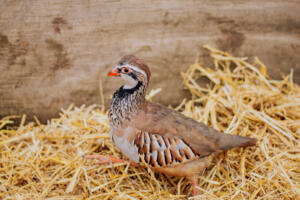 Red-Legged Partridges
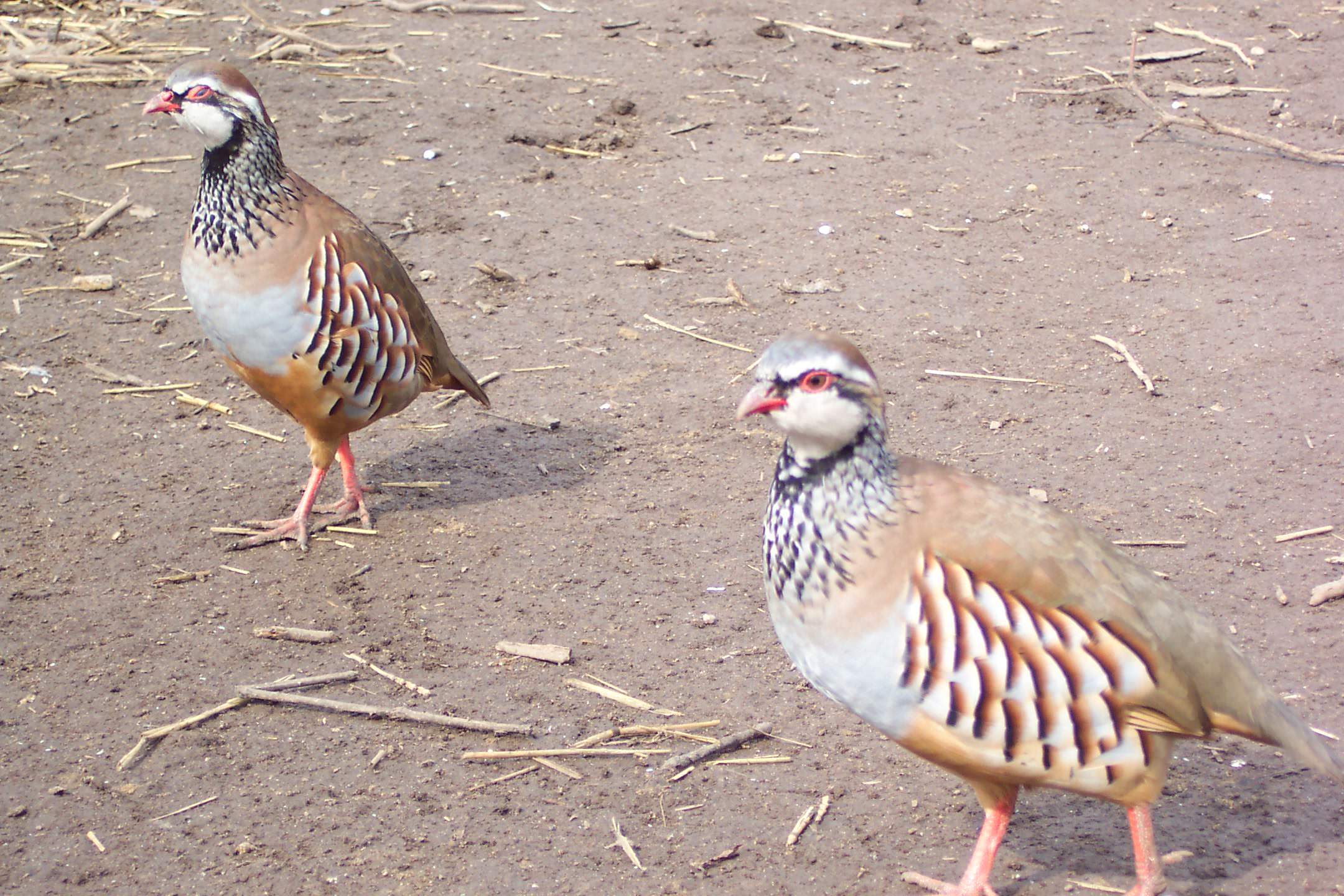
Red-Legged Partridges have been raised for centuries and are known for their speed, hardiness, and strong flight characteristics. At MacFarlane Pheasants, we raise Red-Legged Partridges from eggs imported from France.
These birds are highly valued by hunting preserves because they are quick, wild, and provide an exciting hunting experience. They also tolerate a wide range of weather conditions and adapt well to different climates.
Key Benefits of Red-Legged Partridges
- Hardy birds that handle varying climates well
- Fast and flighty, creating exciting hunts
- Strong survival characteristics
- Popular with hunting preserves
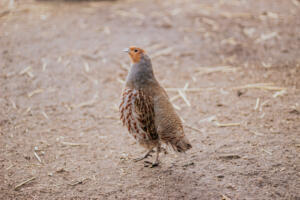 Hungarian Partridges
Hungarian Partridges, often called “Huns,” are social birds known for traveling in coveys or groups. Their brown markings provide excellent camouflage, helping them blend naturally into grassy and field environments.
Hunters enjoy pursuing Hungarian Partridges because they offer a unique challenge and often hold tightly before flushing. They are also known for pairing for life, making them a favorite among smaller farms and conservation-focused operations interested in propagation.
Why People Choose Hungarian Partridges
- Hardy birds with good survival instincts
- Travel in groups for a traditional upland hunting experience
- Natural camouflage helps them blend into surroundings
- Suitable for propagation and breeding programs
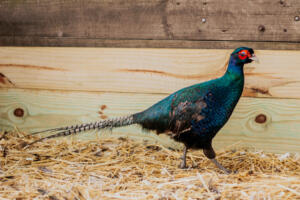 Melanistic Mutant Pheasants
The Melanistic Mutant is a pure pheasant breed recognized for its striking dark plumage with greenish-black iridescent coloring. These birds are larger in size and stand out visually compared to traditional pheasant varieties.
They are especially popular for release programs because of their strong survival instincts and ability to reproduce successfully in the wild.
What Makes Melanistic Pheasants Unique
- Distinctive dark iridescent plumage
- Strong survival and reproduction abilities
- Larger bird size
- Excellent option for release and hunting programs
Finding the Right Bird for Your Needs
Each game bird species offers different strengths depending on your environment, goals, and hunting style. Some are valued for their hardiness and adaptability, while others are chosen for their speed, flight characteristics, or visual appeal.
At MacFarlane Pheasants, we’ve spent decades raising quality game birds and helping customers find the best fit for their operation or hunting preserve. If you have questions about which species may work best for your needs, our team is always happy to help.
 What Can Pheasants Eat? Foods to Feed and Foods to Avoid
 How Much Does It Cost to Raise Pheasants?
Related Posts

Preparing Our Barns & Pens Each Spring
Read Post
Our Milton Farm in 2024!
Read Post

How to Hatch Pheasant Eggs: 10 Expert Tips for Incubating Pheasant Eggs Successfully
Read Post
10 Steps to Prepare for a Delivery of Mature Game Birds
Read Post
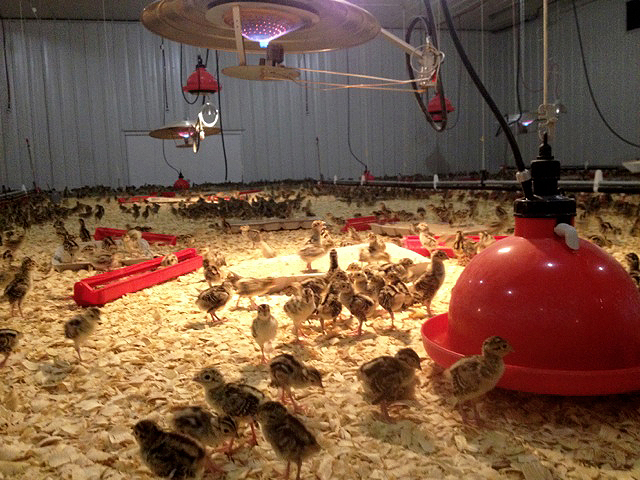
4 Steps to Keeping Pheasants Healthy in Winter
Read Post

6 Feed and Water Procedures to Keep MacFarlane Pheasants Healthy
Read Post
Choosing the Best Bedding for Pheasants and Game Birds
Read Post
Birds On Top of Birds: Preventing Piling with Partridge Chicks
Read Post
Take Advantage of These Free Resources
As the biggest game bird farm in the United States, we want to share our experience with you. Download our free resources below and get started.