Pheasant Facts
Whether you’re interested in raising pheasants, learning about their history, planning a pheasant hunt, or simply curious about these remarkable birds, this guide covers everything you need to know.
From baby chick care and flight pen construction to pheasant habitats, hunting tips, common questions, and different breeds, we’ve compiled decades of experience raising gamebirds into one comprehensive resource.
History of Pheasants in the United States
Pheasants have been part of the North American landscape for more than two centuries, but their path to becoming one of the country’s most recognized gamebirds was anything but immediate. Several early attempts were made to introduce pheasants into the United States, but it wasn’t until the late 1800s that they became established and began thriving in the wild.
Early Introductions
The first documented pheasants arrived in North America in 1773, when Old English Blackneck pheasants were released in New York and New Jersey. Unfortunately, these birds struggled to adapt to their new environment, and the populations failed to survive.
Over the following decades, additional introductions were attempted with limited success. It became clear that establishing a self-sustaining wild pheasant population would require a bird better suited to North America’s climate and habitat.
The 1881 Oregon Release
The turning point came in 1881 when Owen Nickerson Denny, the United States Consul General to Shanghai, China, shipped Chinese Ringneck Pheasants to Oregon.
Although many birds were lost during the long journey from China to the Pacific Northwest, the surviving pheasants were released in Oregon’s Willamette Valley. Additional releases in 1882 and 1884 helped establish breeding populations that flourished. These birds adapted remarkably well to agricultural landscapes, grasslands, and wetlands, quickly spreading throughout the Pacific Northwest.
Their success led to additional releases across the country, and game farms began importing and breeding pheasants to support restoration efforts and hunting opportunities.
The Growth of Pheasants Across North America
Throughout the late 1800s and early 1900s, pheasants were introduced into suitable habitats across much of the United States and southern Canada. Their ability to thrive in farmland, grasslands, and edge habitats helped them expand rapidly.
Today, wild Ringneck Pheasants can be found throughout much of the Midwest and Great Plains, with established populations in more than 40 states. South Dakota, often considered the pheasant hunting capital of the United States, even recognizes the Ringneck Pheasant as its official state bird.
 Why Ringneck Pheasants Became America’s Favorite Gamebird
The Chinese Ringneck Pheasant quickly became the dominant gamebird in North America for several reasons:
- Strong, fast flight that provides exciting hunting opportunities.
- Excellent adaptability to a variety of habitats.
- Beautiful, colorful plumage that makes the species instantly recognizable.
- Hardy genetics that allow birds to thrive in many climates.
- Outstanding table quality, making pheasant a popular wild game meal.
These qualities continue to make Ringneck Pheasants the preferred choice for hunting preserves, game farms, conservation programs, and wildlife enthusiasts.
MacFarlane Pheasants’ Role in the Industry
Since our founding in 1929, MacFarlane Pheasants has helped shape the modern gamebird industry through continual innovation, selective breeding, and collaboration with customers across North America. Today, we remain the largest pheasant farm in North America, supplying high-quality pheasant chicks, mature birds, hatching eggs, and started pheasants to customers nationwide.
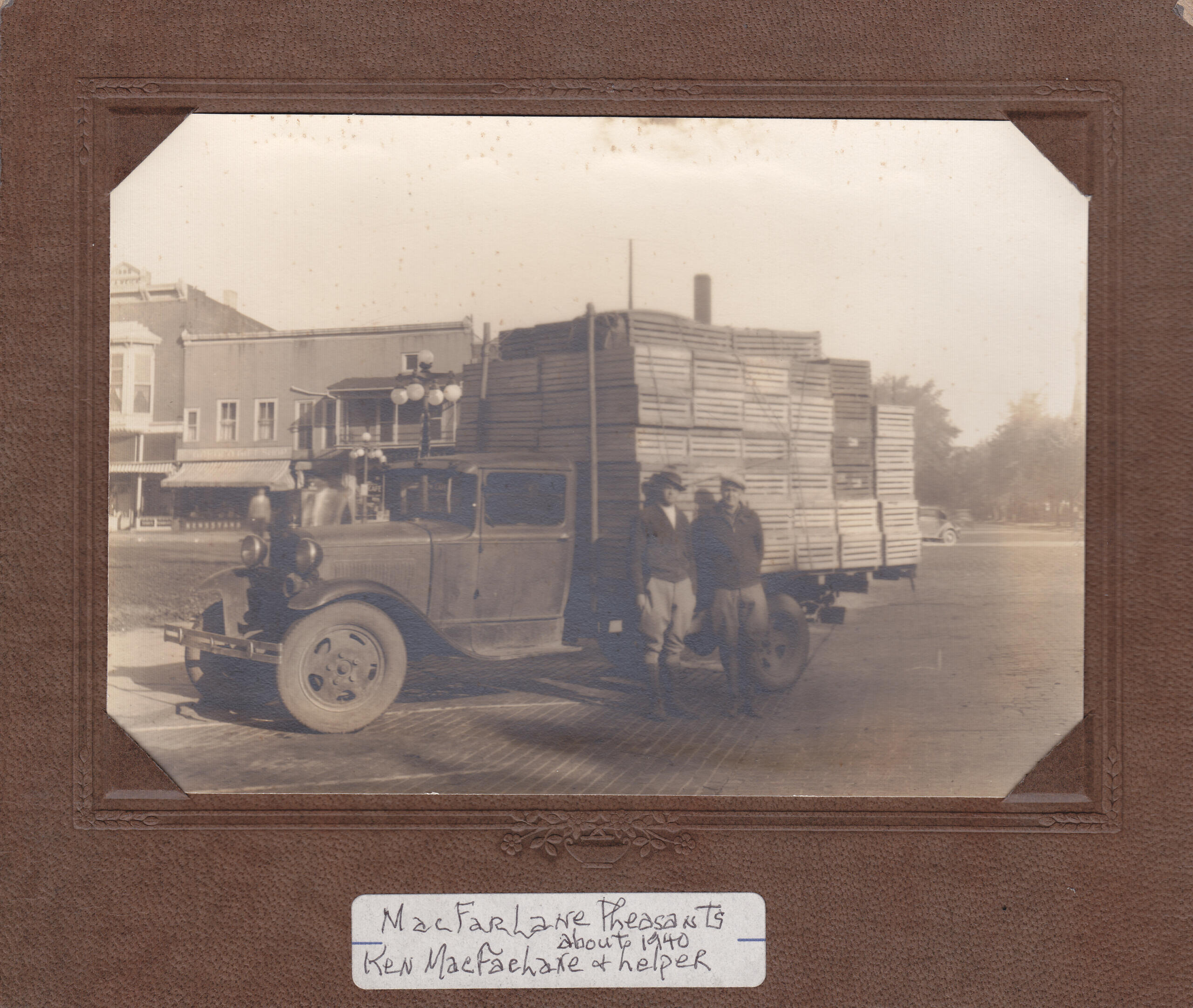
To learn more about our family’s history and how the business has grown over nearly a century, visit our History of MacFarlane Pheasants page.
Pheasants in the United States Today
Today, pheasants continue to play an important role in wildlife conservation, hunting traditions, and rural communities. They are raised by professional gamebird farms, released on hunting preserves, managed through state conservation programs, and enjoyed by sportsmen throughout the country.
Whether you’re interested in raising pheasants, stocking a hunting preserve, or simply learning more about these remarkable birds, understanding their history helps explain why they remain one of North America’s most iconic upland gamebirds.
What Is a Pheasant?
Pheasants are colorful upland gamebirds that belong to the Phasianidae family, which also includes quail, partridge, and junglefowl. Native to Asia, pheasants have been successfully introduced throughout North America and are now one of the country’s most popular gamebirds.
Today, pheasants are raised for hunting preserves, conservation programs, meat production, breeding, and hobby farms. Their striking appearance, strong flight, and adaptability have made them a favorite among hunters and bird enthusiasts alike.
Physical Characteristics
Pheasants are medium to large birds with long tails, rounded wings, and strong legs built for running through fields and grasslands.
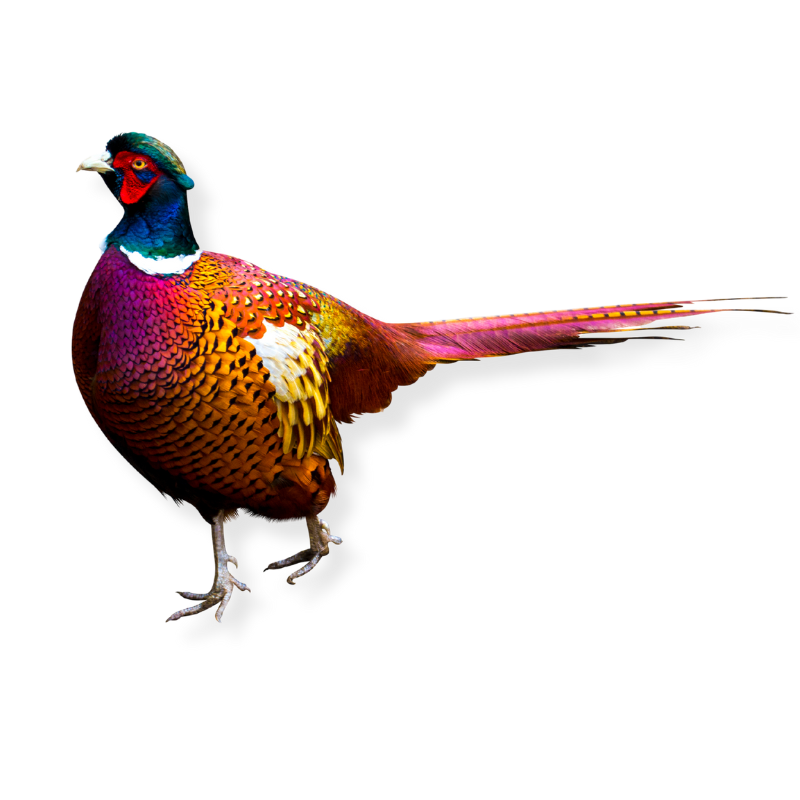
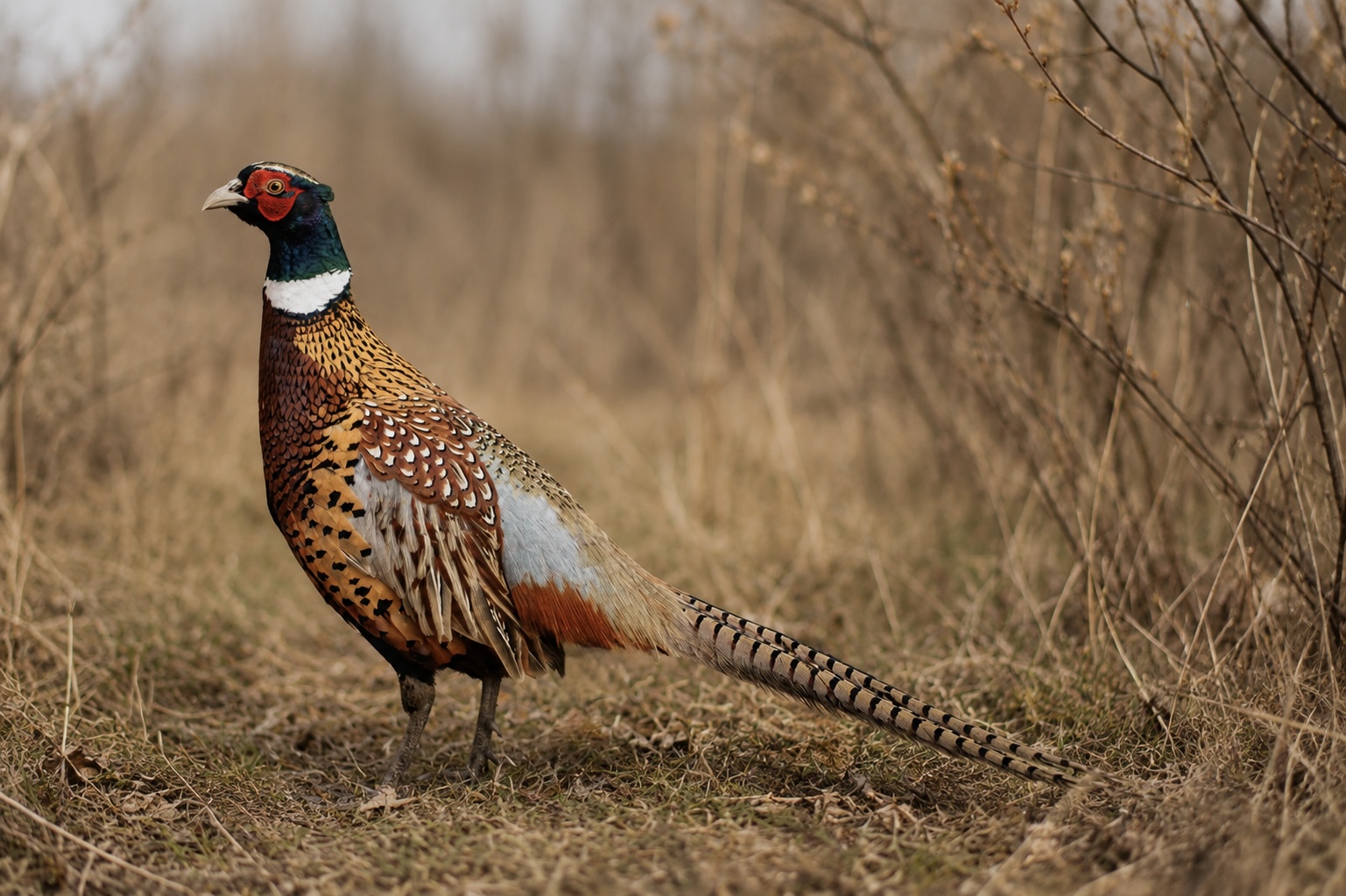
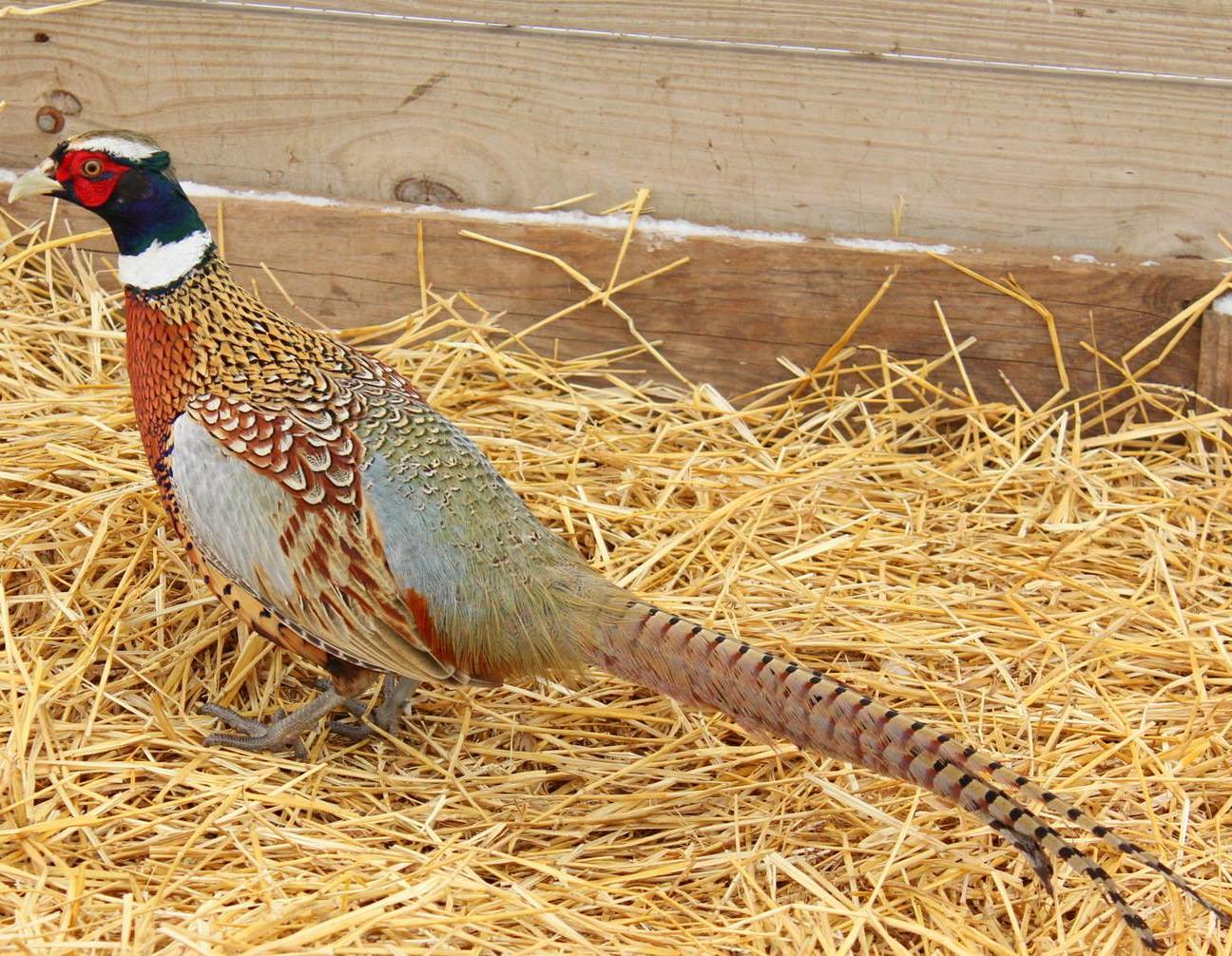
The most common species in North America is the Chinese Ringneck Pheasant. Males are easy to recognize by their iridescent green heads, white neck rings, copper-colored bodies, bright red facial wattles, and long, pointed tails.
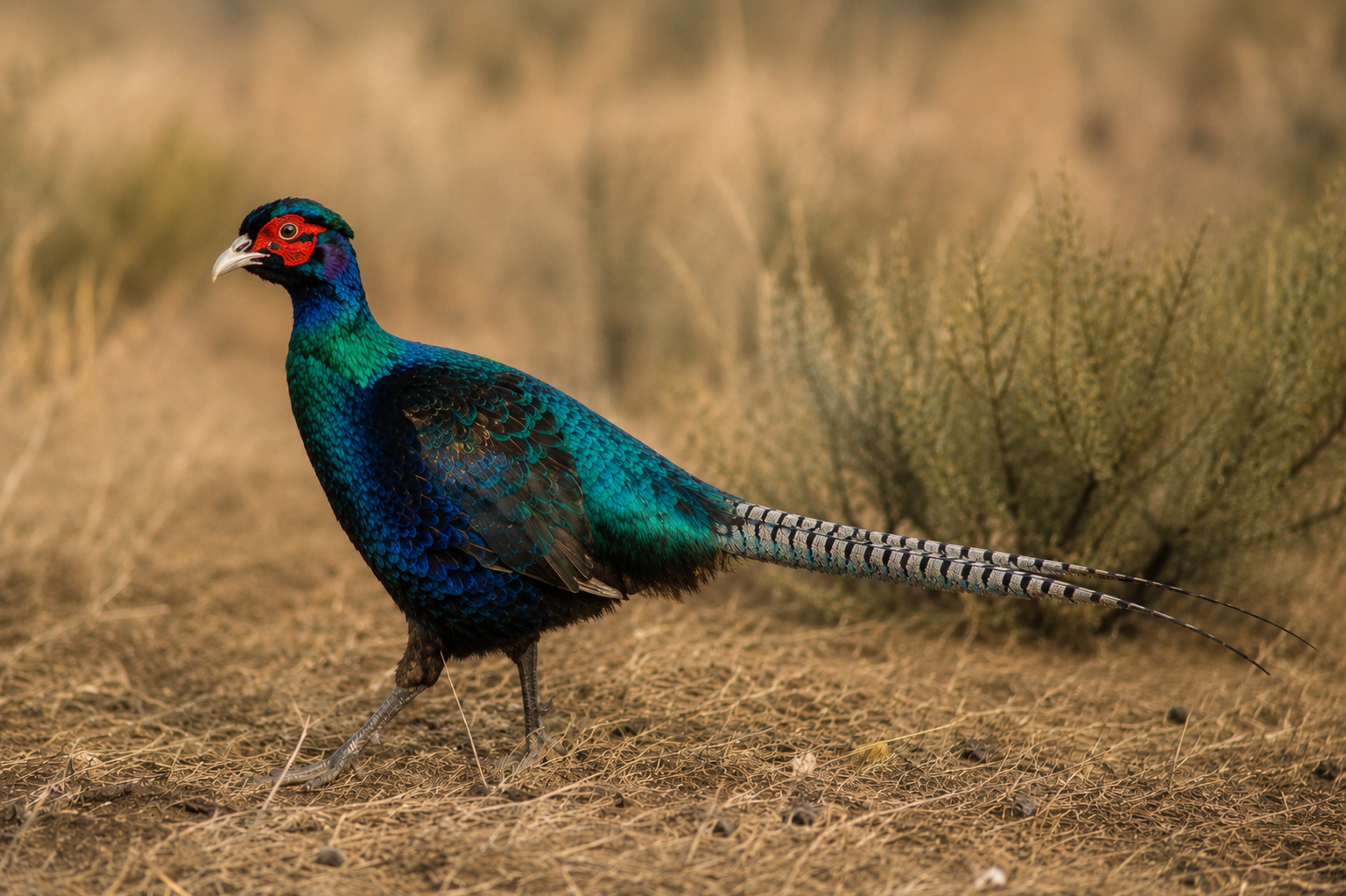
Other breeds, such as the Melanistic Mutant, have beautiful dark green-black feathers with an iridescent shine.
Their excellent eyesight, hearing, and natural camouflage help them avoid predators in the wild.
Male vs. Female Pheasants
Male pheasants, called cocks, look much different than females, known as hens.
Male pheasants (cocks):
- Bright, colorful feathers
- Long tail feathers
- Red facial wattles
- Larger body size
- Loud crowing call during breeding season
Female pheasants (hens):
- Brown, mottled feathers that blend into their surroundings
- Shorter tails
- Smaller body size
- Quiet and well-camouflaged while nesting
The hen’s natural coloring helps protect both her and her eggs from predators while nesting on the ground.
Size and Weight
The size of a pheasant depends on the breed, but most Ringneck Pheasants are:
- Length: 21 to 36 inches, including the tail
- Male weight: 2.5 to 3.5 pounds
- Female weight: 2 to 3 pounds
Some breeds, like Extra Large Ringnecks, grow even larger and are popular for hunting preserves looking for heavier, stronger-flying birds.
Natural Behavior
Pheasants spend most of their time on the ground searching for food and taking cover in grasses, crop fields, and brush.
Their diet includes:
- Seeds and grains
- Insects
- Berries
- Green plants
- Small invertebrates
Outside of the breeding season, pheasants often gather in small groups. In the spring, cocks establish territories and compete for hens, while hens build hidden nests in tall grass where they lay and incubate their eggs.
Can Pheasants Fly?
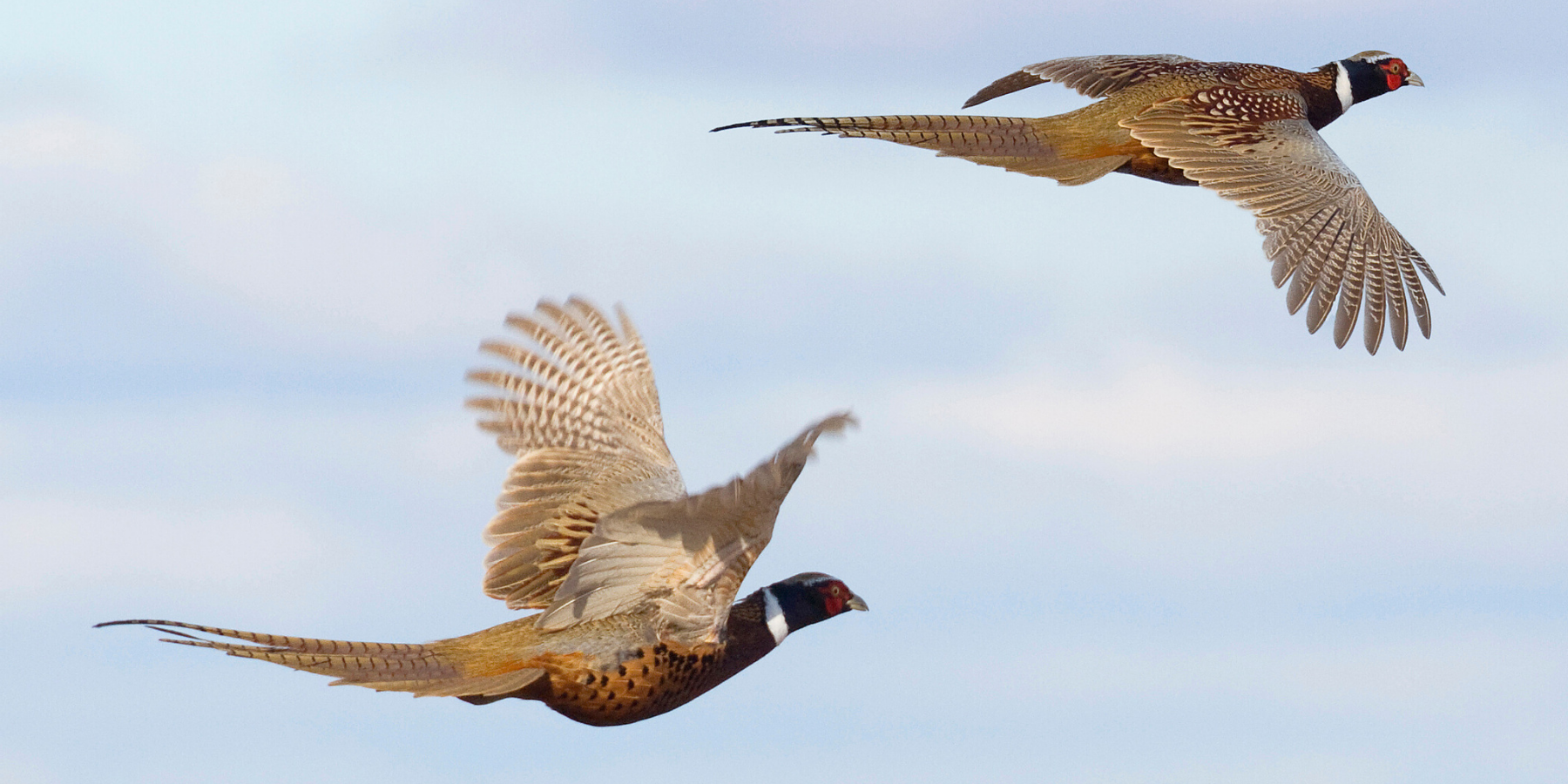
Yes. Although pheasants spend most of their time on the ground, they are excellent short-distance flyers.
When startled, they can burst into the air with incredible speed before gliding back into nearby cover. This quick, powerful flight is one of the reasons pheasants are such a challenging and exciting upland gamebird.
At MacFarlane Pheasants, we’ve spent decades selectively breeding birds with strong genetics, excellent flight ability, and the endurance needed to perform well on hunting preserves and in the wild.
Where Do Pheasants Live?
Pheasants are highly adaptable birds that can thrive in many different environments. Their ideal habitat provides three essential things: food, shelter, and safe nesting areas. While they are found throughout much of North America, pheasants are most abundant in agricultural regions where farmland and natural cover exist side by side.
Understanding where pheasants live can help landowners create better habitat, hunters locate birds more successfully, and bird raisers better understand their natural behaviors.
Grasslands and Farmland
Pheasants are most commonly found in grasslands, crop fields, and farmland. These areas provide an excellent combination of food sources and protective cover.
In the wild, pheasants often feed in:
- Corn fields
- Soybean fields
- Wheat fields
- Hay fields
- Grain stubble after harvest
Native grasses and undisturbed field edges also provide important nesting habitat where hens can safely lay and incubate their eggs each spring.
Wetlands, Shelterbelts, and Brush
While pheasants spend much of their day feeding in open areas, they rely on thicker cover for protection from predators and harsh weather.
Some of their favorite places to escape include:
- Wetlands and marsh edges
- Shelterbelts and windbreaks
- Brushy fence rows
- Tall native grasses
- Small patches of trees and shrubs
These protected areas offer shade during the summer, shelter during the winter, and safe places to roost at night.
Seasonal Movement and Cover
Pheasants don’t migrate long distances like many other bird species, but they do change where they spend their time throughout the year.
During the spring and summer, hens look for tall grasses and dense vegetation where they can build hidden nests and raise their chicks. Cocks establish territories nearby and spend much of the breeding season defending them.
As fall arrives and crops are harvested, pheasants begin moving between harvested fields and heavier cover. During the winter months, they rely on dense grasses, cattails, brush, and shelterbelts to protect them from snow, wind, and cold temperatures while continuing to forage for seeds and grain.
Whether living in the wild or being raised for release, pheasants thrive in habitats that provide a healthy balance of food, cover, and protection throughout the year. For landowners and hunting preserves, creating this type of habitat is one of the best ways to support strong, healthy pheasant populations.
How to Start Raising Pheasants
Whether you’re raising pheasants for hunting, breeding, or as a hobby, success starts with good preparation. Choosing healthy pheasant chicks, setting up your brooder before they arrive, and following proven management practices will help give your birds the best possible start.
Choose a Reputable Breeder
The quality of your birds begins with the breeder. Look for a company with healthy breeding stock, strong genetics, excellent biosecurity practices, and experienced customer support.
At MacFarlane Pheasants, we’ve been raising gamebirds since 1929 and offer a variety of pheasant and partridge breeds for customers across the United States. Our selectively bred birds are known for their health, flight ability, and performance in the field.
Prepare Before Your Chicks Arrive
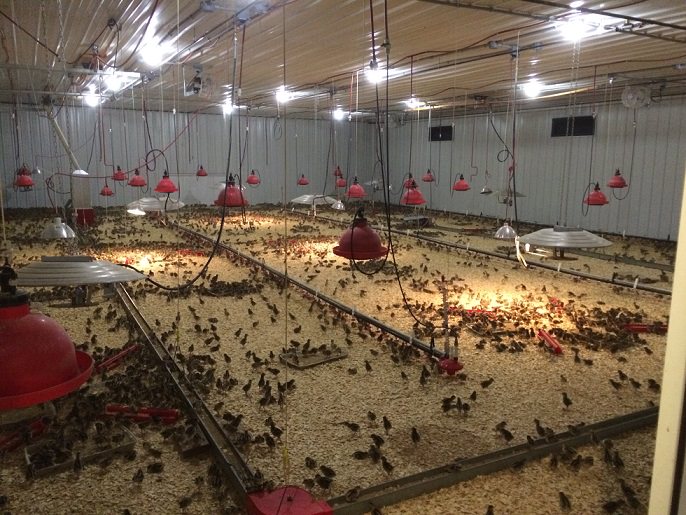
Before your chicks arrive, have your brooder cleaned, disinfected, heated, and stocked with fresh feed, water, and bedding. Being fully prepared helps reduce stress and gives your chicks the best chance for a healthy start.
For complete instructions on brooder setup, feeding schedules, temperature management, and chick care, download our Pheasant Rearing Guide.
 Essential Equipment
Before your chicks arrive, you’ll need:
- Brooder house or brooder pen
- Heat source
- Thermometer
- Feeders and waterers
- Clean, dry bedding
- Game bird starter feed
- Gro-Gel® or another hydration supplement
As your birds grow, you’ll also need a properly designed flight pen and peepers to help reduce pecking and cannibalism.
 Helpful Resources
We’ve created several free guides to help you successfully raise healthy pheasants.
- Pheasant Rearing Guide for complete chick care and management.
- Flight Pen Construction Manual for building a safe and effective outdoor pen.
- Peepers Guide to learn how peepers help reduce pecking and improve flock health.
These resources provide detailed, step-by-step instructions that will help both first-time and experienced pheasant raisers achieve the best possible results.
Caring for Baby Pheasant Chicks
The first few days after your chicks arrive are the most important. Providing the right temperature, clean water, proper feed, and close observation will help your chicks get off to a healthy start.
While this overview covers the basics, we recommend downloading our Pheasant Rearing Guide for complete instructions on brooder management, temperature schedules, feeding, and daily care.
When Your Chicks Arrive
As soon as your chicks arrive, carefully remove them from the shipping box and place them in a preheated brooder. Gently dip each chick’s beak into the water to help them learn where to drink before releasing them under the heat source.
Continue to monitor your chicks closely during the first 24 to 48 hours to make sure they are eating, drinking, and adjusting well to their new environment.
Heat Lamp Setup
Maintaining the correct brooder temperature is one of the most important parts of raising healthy chicks.
Rather than relying only on a thermometer, watch your chicks’ behavior:
- Huddled tightly together: They’re too cold.
- Spread far away from the heat source or panting: They’re too warm.
- Evenly spread throughout the brooder: The temperature is just right.
Our Pheasant Rearing Guide includes a complete brooder temperature schedule and recommendations for adjusting heat as your chicks grow.
Watering and Feeding
Fresh, clean water and a quality gamebird starter feed should be available at all times.
Many growers also provide a hydration supplement, such as Gro-Gel®, when chicks first arrive to help reduce stress from shipping and encourage early hydration.
Keep feeders and waterers clean, and refill them regularly to ensure your chicks have constant access to fresh food and water.
Recognizing Healthy Chicks
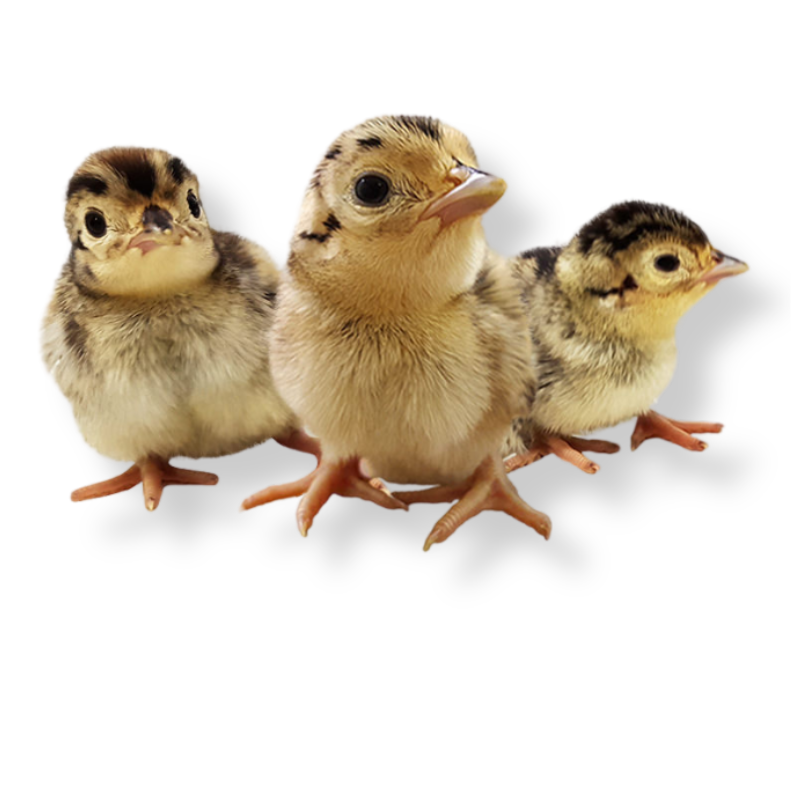
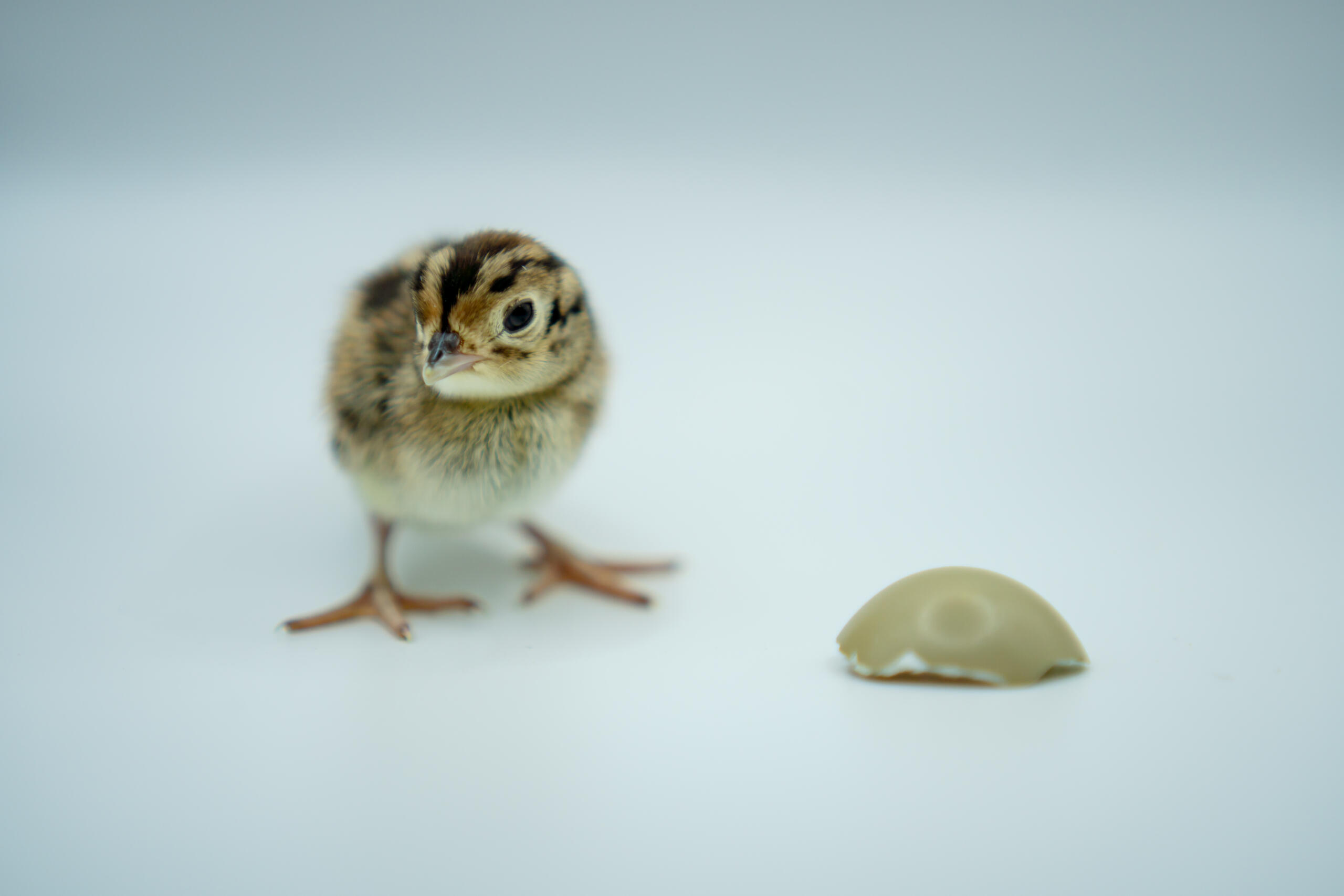
Healthy pheasant chicks are active, alert, and curious. They should move around the brooder, eat frequently, drink often, and rest comfortably between periods of activity.
Check your flock daily for any chicks that appear weak, inactive, or separated from the group so any issues can be addressed quickly.
Understanding Peeping Behavior
Your chicks will naturally peep throughout the day, and their sounds can tell you a lot about how they’re doing.
- Soft, steady peeping: Chicks are comfortable and content.
- Loud, constant peeping: Chicks may be cold, thirsty, hungry, or stressed.
- Very little sound: Chicks are often resting comfortably.
Learning to recognize these behaviors is one of the easiest ways to monitor the health of your flock.
Learn More
For complete step-by-step instructions, be sure to explore our free resources:
- Pheasant Rearing Guide for brooder setup, temperatures, feeding, and daily care.
- Flight Pen Construction Manual to prepare your birds for the next stage of growth.
These guides are based on decades of experience raising millions of healthy pheasants and are designed to help both first-time and experienced bird raisers succeed.
Brooder Barn Setup
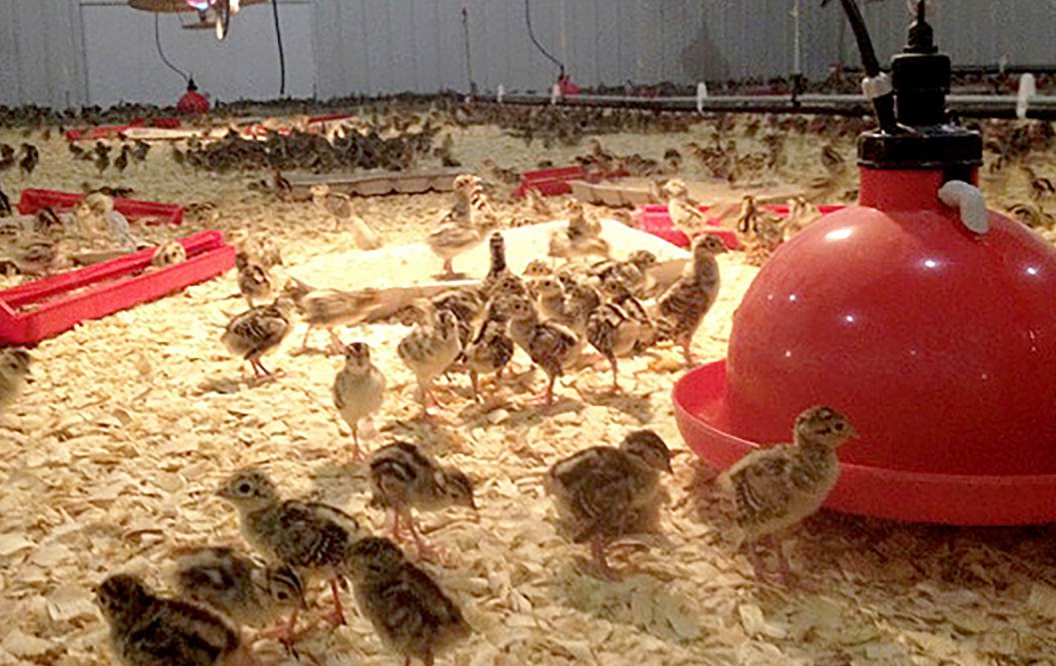
A properly designed brooder gives pheasant chicks the best chance to grow into healthy, strong birds. It doesn’t have to be complicated, but it should provide a clean, warm, dry environment with enough space for chicks to eat, drink, and move comfortably.
Design a Comfortable Brooder
Before your chicks arrive, make sure the brooder is thoroughly cleaned and disinfected. It should be free of drafts while still allowing for good air circulation.
Place feeders and waterers where they’re easy for chicks to reach, and arrange the heat source so birds can move closer or farther away as needed.
Tip: Set up and test your brooder at least 24 hours before your chicks arrive. This gives you time to stabilize the temperature and make any adjustments.
Give Chicks Room to Grow
Pheasant chicks grow quickly, so avoid overcrowding. As they get larger, expand their space or move them into a larger pen to reduce stress and discourage pecking.
Watch your birds daily. If they’re piling on top of one another or competing for feeders and waterers, it’s usually a sign they need more room.
Keep the Temperature Consistent
Providing the proper amount of heat is critical during the first few weeks.
Instead of watching only the thermometer, pay attention to your chicks:
- Chicks huddled under the heat source are too cold.
- Chicks staying around the edges of the brooder are too warm.
- Chicks spread evenly throughout the brooder are comfortable.
Gradually reduce the temperature each week as your birds feather out and become more tolerant of cooler conditions.
Choose the Right Bedding
Clean, dry bedding helps keep chicks healthy and comfortable.
The best pheasant bedding options include:
- Pine shavings
- Chopped straw
- Other clean, absorbent bedding materials
Avoid slick surfaces like newspaper, which can cause leg problems in young chicks. Replace wet bedding promptly to keep the brooder dry and reduce the risk of disease.
 Moving to Larger Pens
As your pheasants become fully feathered, they’ll be ready for more space. Transition them gradually to larger outdoor growing pens before moving them into a flight pen.
A well-designed flight pen gives birds room to exercise, develop strong flight muscles, and adapt to outdoor conditions before release.
If you’re planning to build a flight pen, our Flight Pen Construction Manual provides practical tips on pen size, layout, fencing, and cover to help you create an environment where pheasants can thrive.
Pheasant Feed & Nutrition
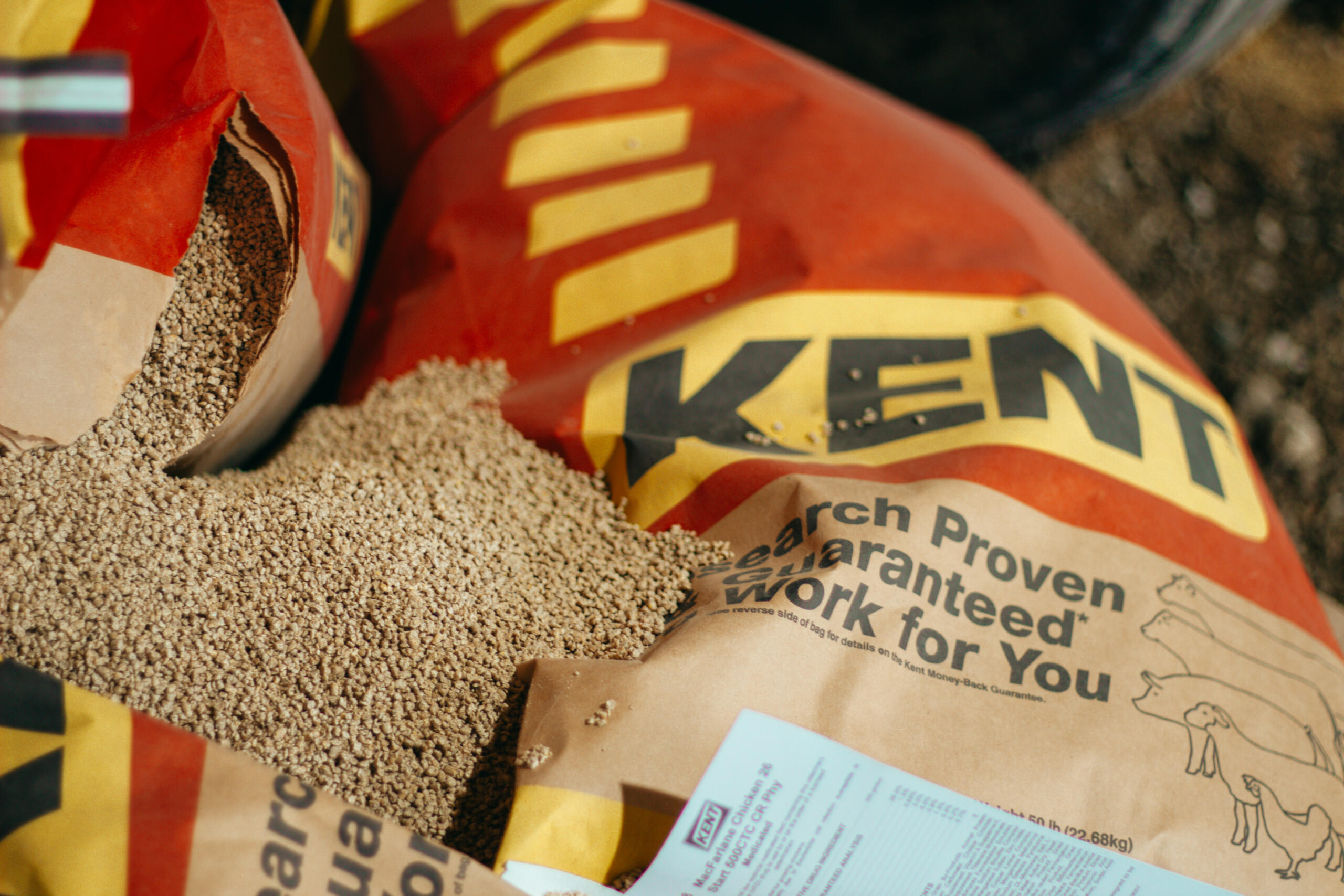 Proper nutrition is essential for raising healthy pheasants. A balanced diet supports steady growth, healthy feather development, strong immune systems, and excellent flight performance. As pheasants mature, their nutritional needs change, so it’s important to feed the right type of ration at each stage of life.
Protein Requirements by Age
Young pheasant chicks need a high-protein diet to support rapid growth during their first few weeks. As they mature, their protein requirements gradually decrease.
A typical feeding program includes:
- 0 to 6 weeks: High-protein gamebird starter feed. We suggest 28% protein.
- 6 to 22 weeks: Game bird grower feed, suggested 20% protein.
- 22 weeks and older: Maintenance or breeder feed at 14% protein, depending on your birds’ purpose
Always choose a feed specifically formulated for gamebirds, as chicken feeds often do not provide the nutrients pheasants need. Get more specific detail in our complete feed guide.
Starter, Grower, and Maintenance Feed
Using the correct feed at each stage helps birds develop properly.
- Starter feed supports early growth, feather development, and overall health.
- Grower feed continues healthy development while encouraging strong muscles and body condition.
- Maintenance or breeder feed helps adult birds maintain weight and supports egg production during the breeding season.
If you’re raising pheasants for release, a balanced nutrition program also contributes to stronger birds with better flight performance.
Water Requirements
Fresh, clean water should always be available.
Young chicks should be introduced to water as soon as they arrive by gently dipping their beaks into the waterer. Check waterers throughout the day to ensure they stay clean and full, especially during hot weather.
Tip: Keep waterers slightly elevated as birds grow to help reduce bedding and debris from contaminating the water.
Feed Management Tips
A few simple management practices can help reduce waste and keep your flock healthy:
- Use feeders designed for gamebirds to minimize spilled feed.
- Keep feed dry and protected from rodents and wild birds.
- Refill feeders regularly with fresh feed instead of letting old feed accumulate.
- Clean feeders and waterers routinely to help prevent disease.
- Increase feeder space as your flock grows to reduce crowding and competition.
Providing consistent access to quality feed and clean water is one of the simplest ways to raise healthy, productive pheasants.
Flight Pens
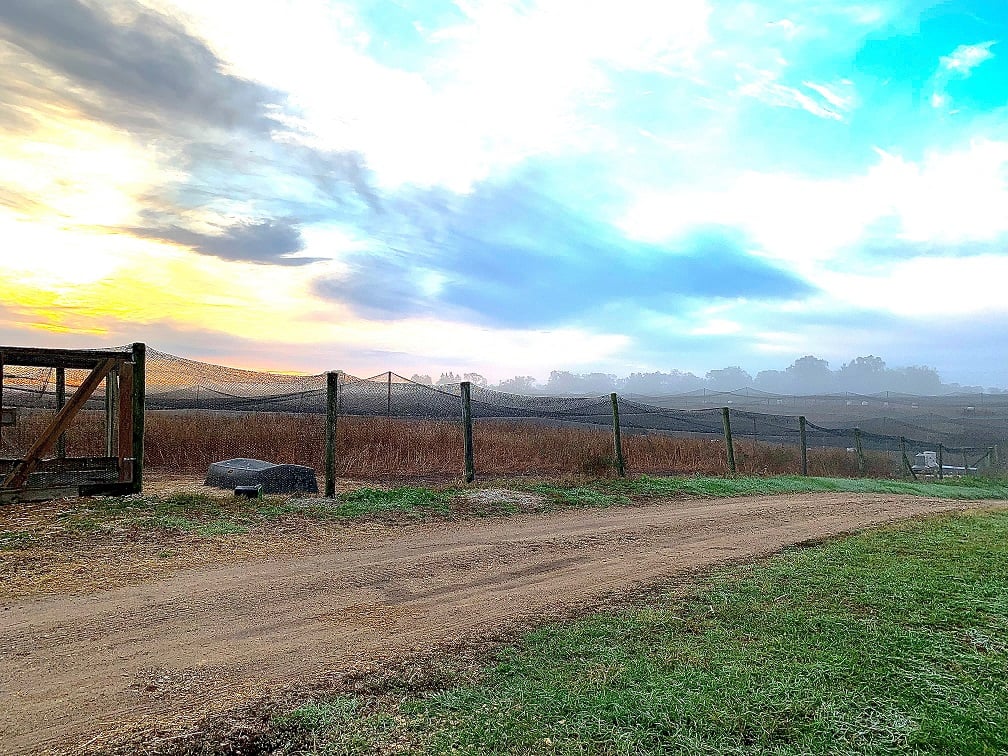
A flight pen is an important part of raising healthy pheasants, especially if they are being raised for release or hunting preserves. These outside pens give birds the space they need to exercise, develop strong flight muscles, and become accustomed to natural conditions.
When Should Birds Be Moved Outside?
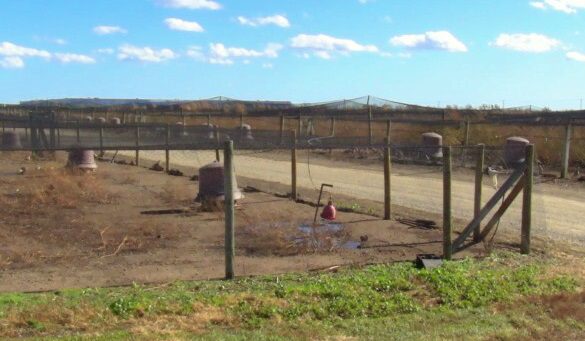
Pheasants are typically moved to an outdoor growing or flight pen once they are fully feathered and weather conditions are suitable. This gradual transition helps birds adjust to changing temperatures while continuing to grow and develop.
Cannibalism
Pheasants will pick at each other in captivity. You can tell this is happening if you see balding heads or missing rump feathers. Some reasons you might see this happening include:
- Too many birds in a pen
- Not enough feeder space
- Lack of proper nutrition.
Prevent these problems from occurring by being diligent, but also put peepers on your birds at 5 weeks of age. Peepers are a type of blinder that keeps the pheasants from seeing directly in front of them and eliminates the pecking behavior. Beak clipping may also be necessary.
Protect Against Predators
A secure flight pen helps protect your birds from both aerial and ground predators. Regularly inspect fencing and netting for damage and repair any weak spots promptly.
Common predators include:
- Hawks and owls
- Foxes
- Coyotes
- Raccoons
- Weasels and mink
- Skunks
- Domestic dogs and cats
- Snakes (especially around young birds)
Quality overhead netting, sturdy fencing, and buried wire or predator aprons can help keep unwanted visitors out while preventing birds from escaping.
Vermin Control
Rats can upset the birds by disturbing their habitat. They bring diseases and can weaken their immune system and even cause death. They have been known to eat the feed and gnaw at pen structure. If you see rats during the day, your infestation may be large! In order to help minimize the rat population take the follow precautions:
- Keep all junk piles cleaned up.
- Place poison (bait stations) around the perimeter of your pens.
- Fill active rat holes with bait.
- Remove birds from the pen and poison all over the pen and remove the feeders.
Starlings can cause many of the same problems. Before poisoning or taking action against starlings, contact the Fish and Wildlife Service.
Include Natural Ground Cover
Ground cover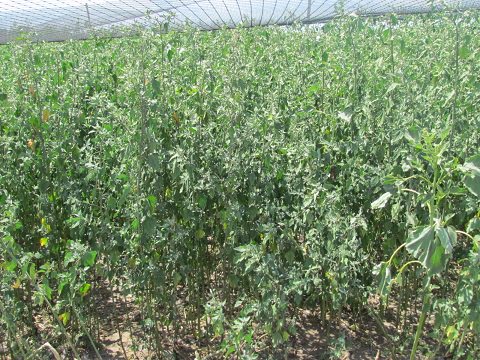 is needed in the pens to provide shelter and distract the birds from pecking at each other. Natural cover is best. The best natural cover is Lambsquarter. It has leaves all the way down the stem and doesn’t tend to grow through the netting. It lasts throughout the season. Ragweed is fine in the spring, but it gets out of control later in the season and is best avoided. Corn and Milo can be planted as cover and make excellent cover for part of the season.
Winter Considerations
If birds will remain outdoors during the winter, provide protection from snow, wind, and extreme temperatures. Shelterbelts, evergreen trees, tall grasses, and brushy areas help birds conserve energy while continuing to forage and remain active.
If you’re planning to build a new flight pen or improve an existing one, our Flight Pen Construction Manual provides detailed recommendations on pen size, layout, predator protection, netting, and habitat design based on decades of experience raising gamebirds.
Biosecurity & Disease Prevention
Good biosecurity is one of the best ways to protect your pheasants from disease. Whether you have a small backyard flock or a large hunting preserve, taking a few simple precautions can help keep your birds healthy and reduce the risk of introducing illness.
Avian Influenza and Other Diseases
One of the biggest concerns for gamebird producers is Highly Pathogenic Avian Influenza (HPAI). This virus spreads primarily through infected wild birds and can be carried onto a property by contaminated equipment, vehicles, footwear, or clothing.
While no biosecurity program can eliminate every risk, following good management practices can significantly reduce the chances of disease reaching your flock.
This dangerous disease is a real concern to pheasant raisers. MacFarlane Pheasants, Inc., the largest pheasant business in North America, has developed a protocol that is meant to protect their birds from this deadly disease. Here’s our advice.
Limit Visitors
Every visitor has the potential to bring disease onto your property.
To help protect your birds:
- Limit unnecessary visitors.
- Keep visitors away from bird housing whenever possible.
- Ask guests to wear clean footwear or use disposable boot covers.
- Avoid allowing anyone who has recently visited another poultry farm to enter your bird areas.
Practice Good Sanitation
Clean facilities help reduce the spread of disease and create a healthier environment for your birds.
Some simple sanitation practices include:
- Remove wet bedding regularly.
- Clean and disinfect feeders and waterers.
- Promptly dispose of dead birds according to local regulations.
- Control rodents and insects that may spread disease.
- Keep feed stored in sealed containers to prevent contamination.
Clean Equipment and Vehicles
Equipment that moves between farms can easily carry bacteria and viruses.
Whenever possible:
- Clean and disinfect equipment before bringing it onto your property.
- Wash trailers, crates, and transport vehicles after each use.
- Use dedicated tools for each bird area instead of sharing equipment between pens.
These simple steps can greatly reduce the risk of introducing disease.
Separate Birds by Age
Young chicks are more vulnerable to illness than older birds. Raising birds of different ages together can increase the spread of disease throughout your flock.
For the healthiest birds:
- House chicks separately from older pheasants.
- Avoid mixing newly arrived birds with your existing flock.
- Care for younger birds before tending to older birds.
- Quarantine new birds whenever possible before introducing them to the rest of your flock.
A Healthy Flock Starts with Prevention
Strong biosecurity isn’t just for large commercial operations. Every pheasant owner can benefit from good sanitation, careful management, and healthy daily routines. By taking preventative steps today, you’ll help protect your flock for years to come.
Collecting, Storing & Incubating Pheasant Eggs
Successful hatches begin long before eggs are placed in an incubator. Proper egg collection, storage, handling, and incubation all play an important role in maximizing hatchability and producing healthy chicks.
You can also order pheasant eggs directly from a hatchery that is experienced with proper collection, like MacFarlane Pheasants.
Whether you’re hatching a few dozen eggs or managing a larger breeding flock, following consistent best practices can make a significant difference in your hatch rates.
How to Collect and Store Pheasant Eggs for the Best Hatch Rates
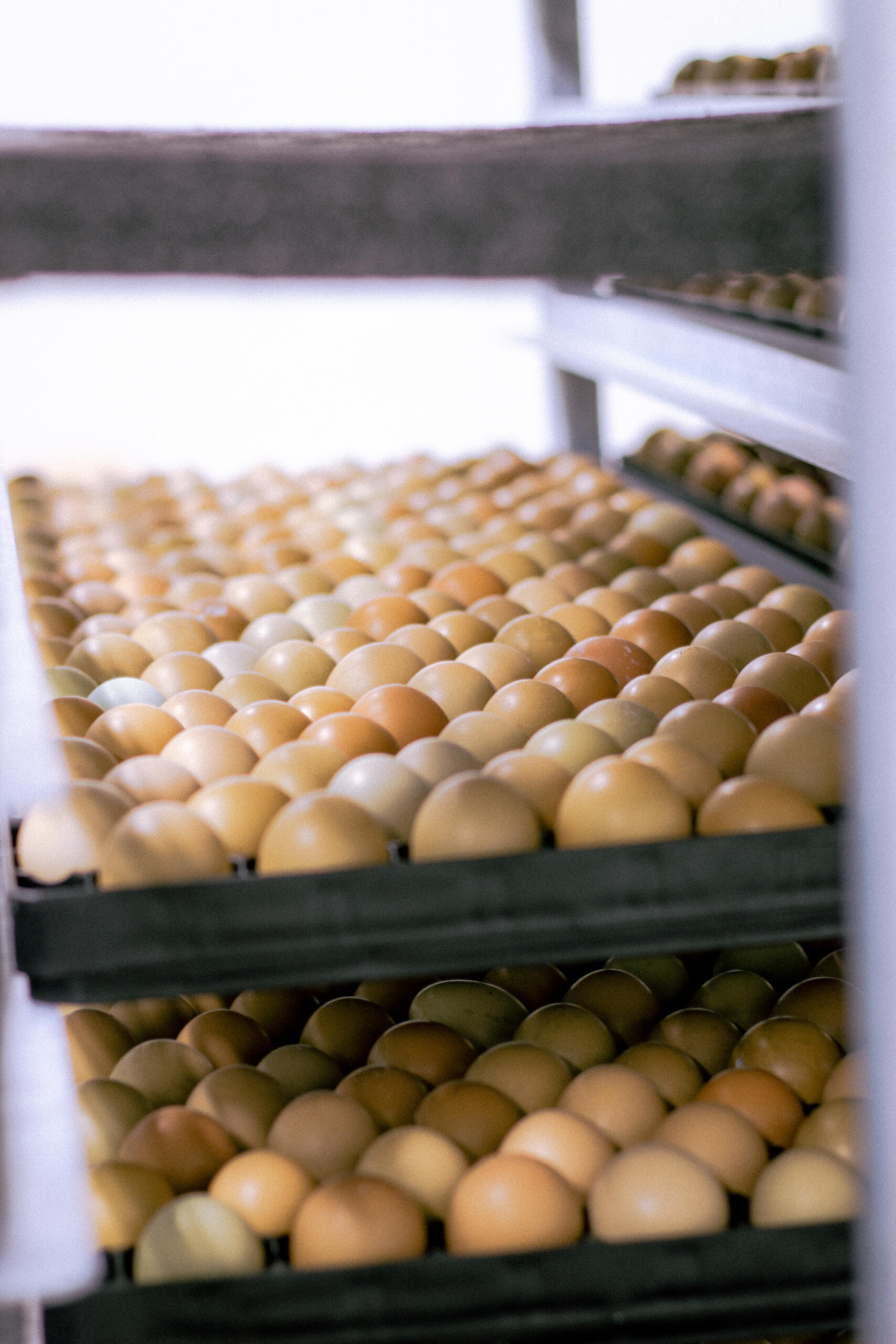
Collect eggs frequently throughout the day to minimize the chance of damage, contamination, or exposure to extreme temperatures. Handle eggs gently, avoiding rough movement or sudden impacts that could damage the shell or the developing embryo.
Until you’re ready to incubate them, eggs should be stored:
- In a cool, clean location
- With moderate humidity to help prevent moisture loss
- Large end facing upward whenever possible
- Away from direct sunlight and rapid temperature changes
For the best hatchability, pheasant eggs should ideally be set within 7 to 10 days after being laid. While eggs can often be stored a little longer under proper conditions, hatch rates typically decline the longer they’re held.
Should You Wash Pheasant Eggs Before Incubating?
Not necessarily. Whenever possible, it’s best to collect eggs often enough that washing isn’t necessary. Clean nesting areas and frequent egg collection help keep eggs in the best condition.
If eggs are excessively dirty, they can be cleaned carefully using:
- Water that is slightly warmer than the egg
- An approved egg sanitizer or disinfectant designed for hatching eggs
- Gentle handling to avoid damaging the shell
Never soak eggs or use cold water, as this can draw bacteria through the shell and reduce hatchability.
How to Incubate Pheasant Eggs Successfully
 Once your eggs are ready to be set, maintaining consistent incubation conditions is critical. Stable temperature, proper humidity, regular turning, and good air circulation all contribute to successful embryo development.
For the best results:
- Maintain a consistent incubator temperature.
- Turn eggs several times each day until they are moved to the hatcher.
- Monitor humidity throughout the incubation period and adjust as needed.
- Stop turning eggs during the final days before hatch.
Get detailed day-by-day instructions and temperature recommendations in our Pheasant Egg Incubation Guide.
Common Pheasant Egg Incubation Problems and How to Fix Them
Even experienced bird raisers occasionally experience poor hatches. When problems occur, they’re often related to egg storage, incubation conditions, sanitation, or breeder flock health.
Some common issues include:
- Low hatch rates: Often caused by improper egg storage, incorrect temperature or humidity, or poor fertility.
- Late hatches: May indicate incubation temperatures that were too low.
- Sticky chicks: Usually the result of improper humidity during the hatch.
- Weak or unthrifty chicks: Can be related to nutrition, breeder flock health, or inconsistent incubation conditions.
If your hatch results aren’t what you expected, review each step of the process, from egg collection and storage through incubation and hatching. Small adjustments can often lead to significant improvements in future hatches.
Learn More About Incubating and Hatching Pheasant Eggs
Proper incubation is both a science and an art, and attention to detail makes all the difference. If you’d like more detailed guidance, including recommended storage temperatures, humidity levels, incubator settings, turning schedules, and troubleshooting tips, download our Pheasant Egg Incubation Guide. It’s based on decades of experience hatching millions of healthy pheasant chicks.
Popular Gamebird Breeds
Whether you’re stocking a hunting preserve, raising birds for release, or looking for an attractive addition to your property, choosing the right gamebird depends on your goals.
Each breed offers different strengths, from powerful flight to unique coloration or challenging hunting characteristics.
Chinese Ringneck Pheasant
The Chinese Ringneck is the most popular pheasant in North America and the standard by which many other gamebirds are measured. Males are known for their iridescent green heads, white neck rings, copper-colored bodies, and long, elegant tails.
These birds are exceptional flyers, flushing quickly and flying fast, making them a favorite for hunting preserves and conservation projects. They thrive in grasslands, agricultural fields, and brushy cover where food and shelter are plentiful.
Best for:
- Hunting preserves
- Wildlife releases
- Conservation projects
- Customers looking for a classic pheasant with excellent flight
Kansas Ringneck Pheasant

Kansas Ringnecks are a larger strain of Ringneck Pheasant that combines impressive size with strong flight performance. Their traditional coloring and hardy nature make them a popular choice for preserve owners.
These birds perform well in open farmland, prairie habitat, and shelterbelts, where they develop into strong, durable flyers.
Best for:
- Hunting preserves
- Dog training
- Customers wanting a larger Ringneck
Extra Large Ringneck Pheasant
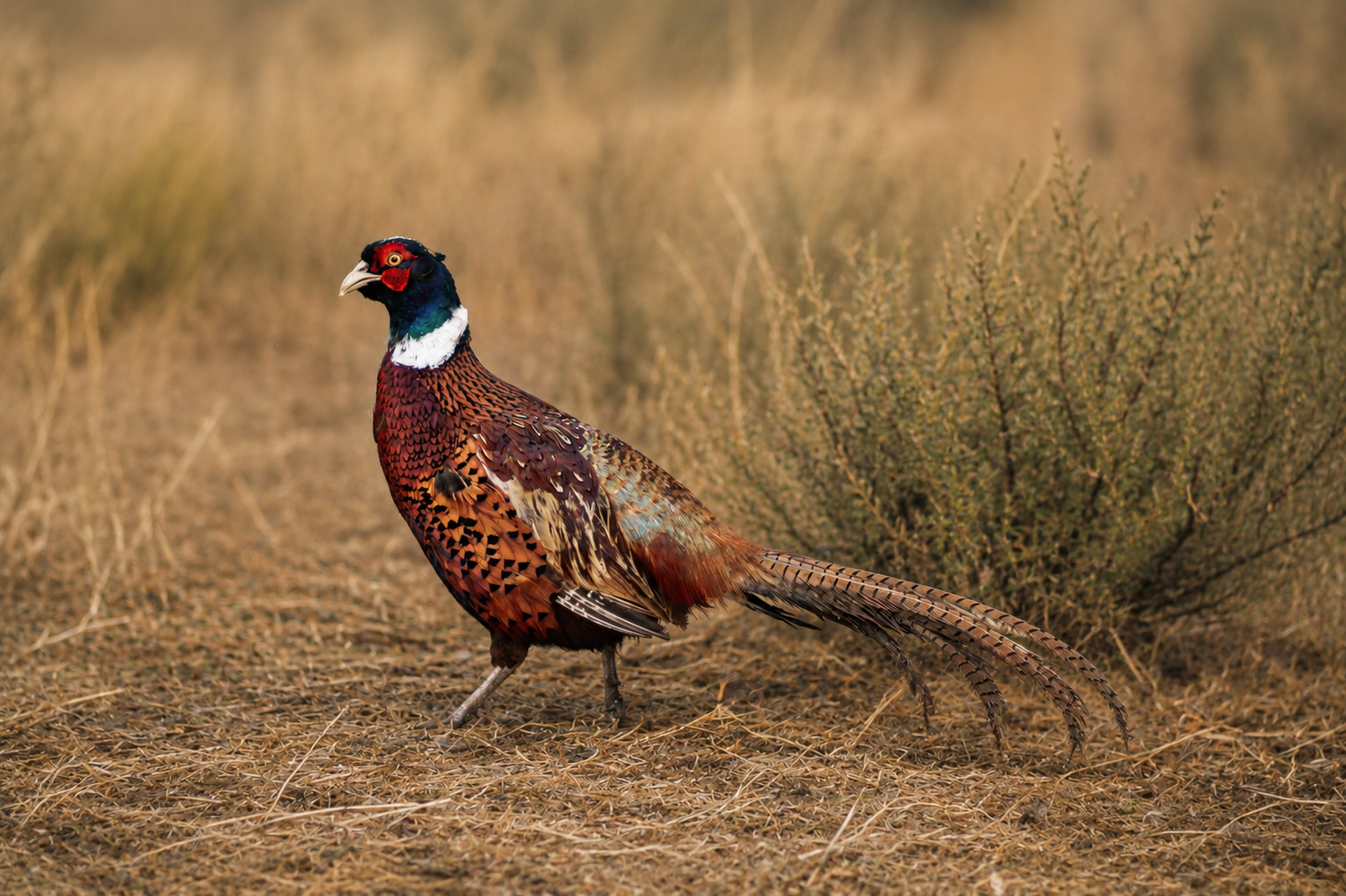
As the name suggests, Extra Large Ringnecks are selectively bred for increased body size while maintaining excellent flight characteristics. They offer an impressive flush and are popular on commercial hunting preserves.
They adapt well to farmland and grassland habitats and are often chosen by preserves looking to provide hunters with a larger bird.
Best for:
- Commercial hunting preserves
- Preserve owners looking for heavier birds
- Customers wanting a premium hunting experience
Melanistic Mutant Pheasant
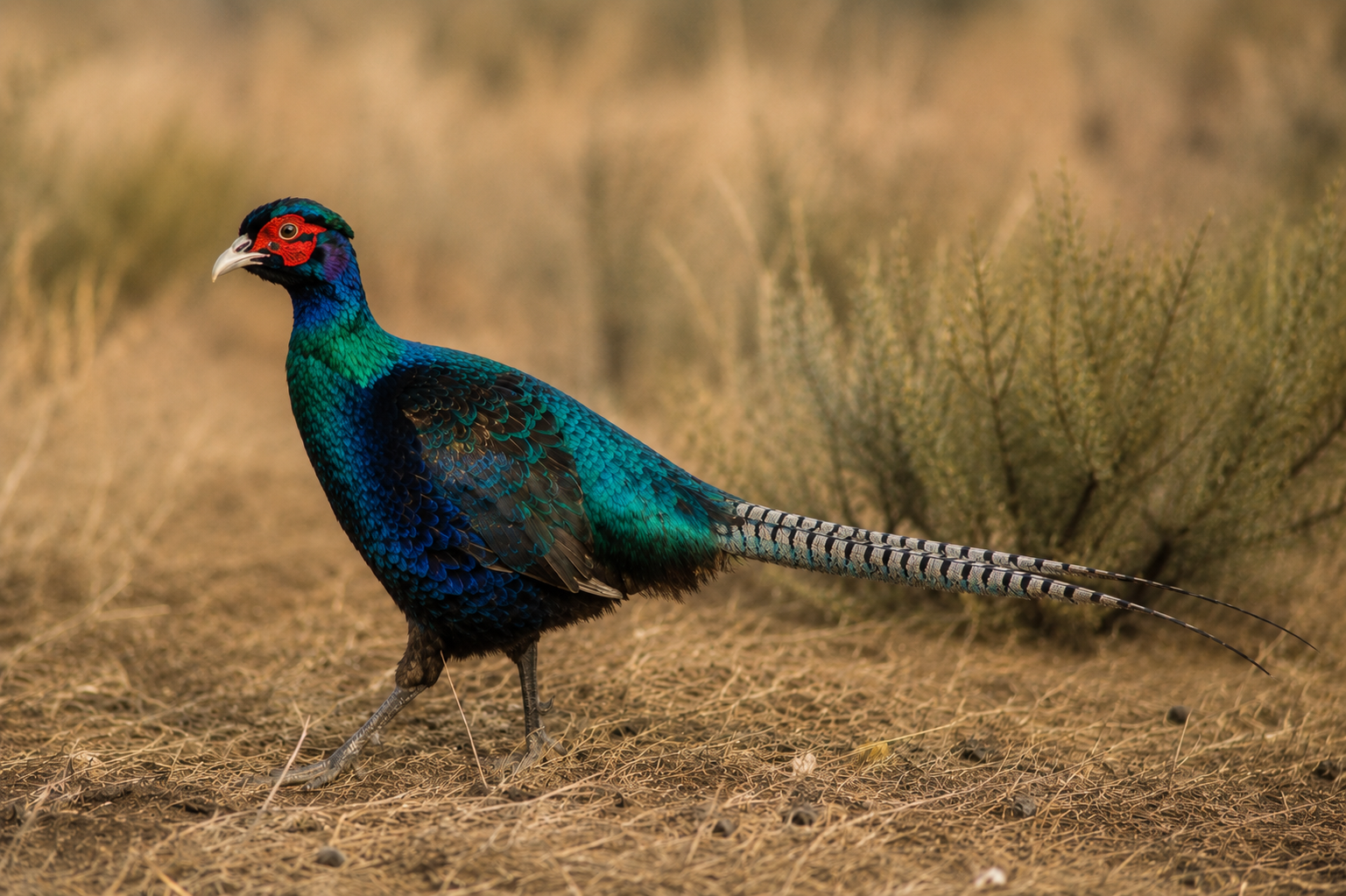
One of MacFarlane Pheasants’ signature birds, the Melanistic Mutant is instantly recognizable by its dark green-black iridescent plumage. Our breeding program began in 1960 and has produced birds known for both beauty and performance.
Melanistics are excellent flyers that thrive in grasslands, wooded edges, and brushy cover. They’re equally popular on hunting preserves and ornamental properties.
Best for:
- Hunting preserves
- Private estates
- Ornamental collections
- Customers looking for a unique, eye-catching bird
Hungarian Partridge
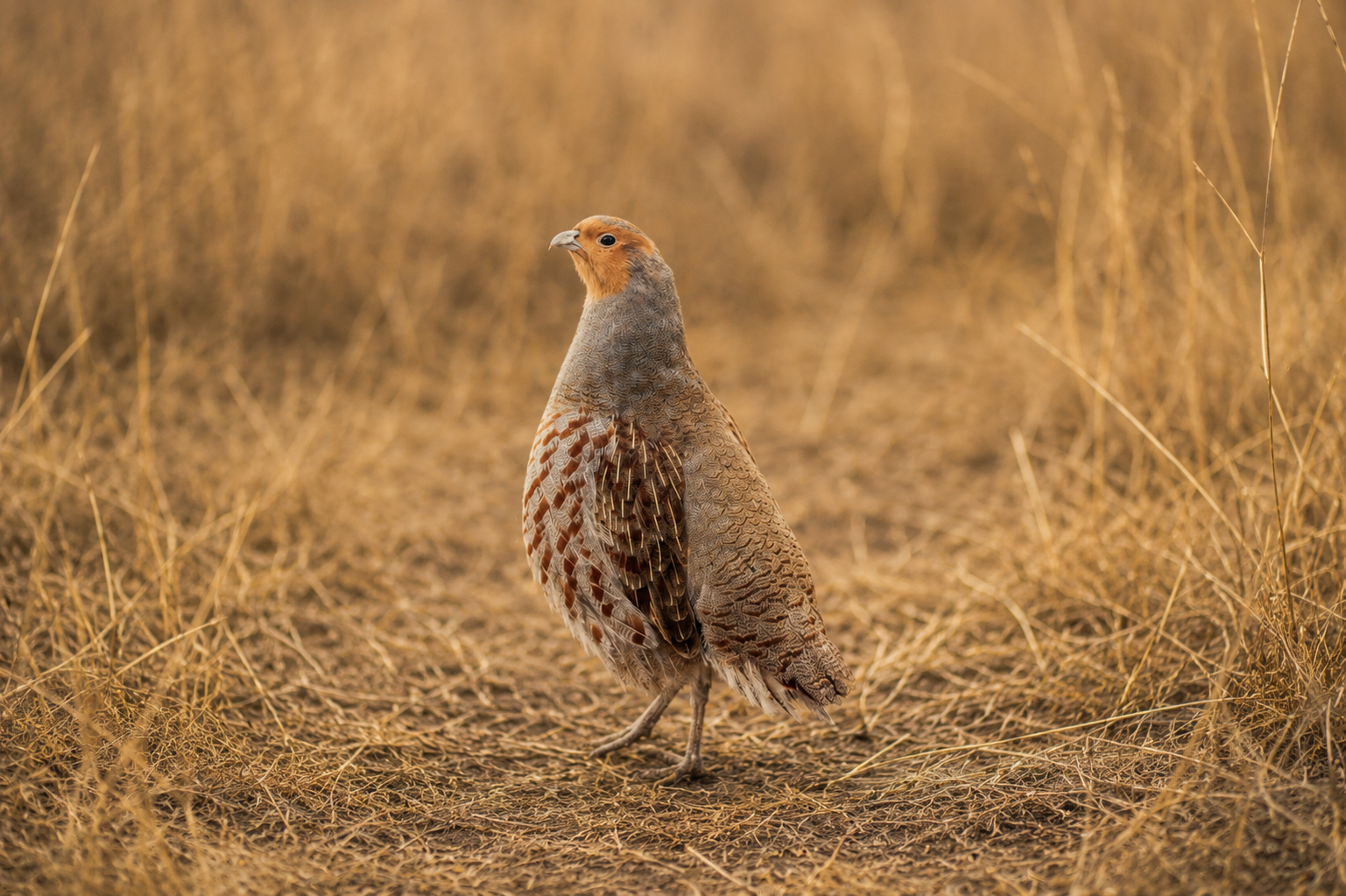
Hungarian Partridges, often called Huns, are prized for their fast, explosive flushes and natural covey behavior. Their gray bodies, rust-colored faces, and compact size make them a favorite among upland hunters.
They perform best in open prairies, grasslands, and grain fields where they naturally gather in coveys.
Best for:
- Upland hunting
- Dog training
- Wildlife habitat projects
Redleg Partridge

The Redleg Partridge is known for its attractive markings, bright red bill and legs, and powerful, direct flight. Originally native to southern Europe, it has become a popular bird for sporting estates and hunting preserves.
These birds prefer open farmland and gently rolling terrain with scattered cover.
Best for:
- Hunting preserves
- Sporting estates
- Dog training
Chukar Partridge
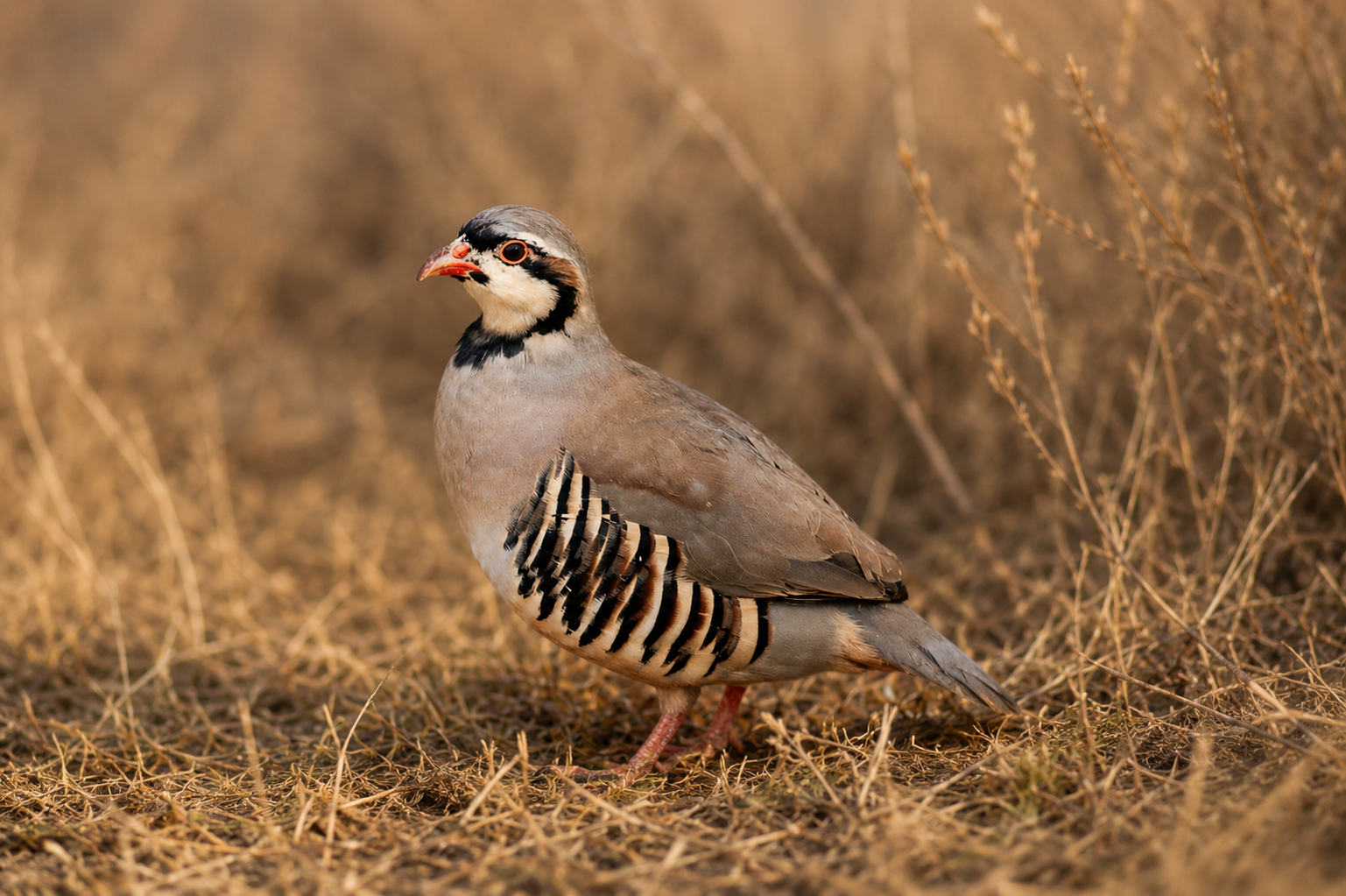
The Chukar Partridge is one of the most challenging upland gamebirds. Recognized by its gray body, barred sides, white face, and bright red bill and legs, the Chukar is known for running before flushing and providing exciting hunting opportunities.
In the wild, Chukars prefer rocky hillsides and dry grasslands, but they also perform well on properly managed hunting preserves.
Best for:
- Dog training
- Hunting preserves
- Sporting clubs
- Hunters looking for a fast, challenging bir
Which Gamebird Is Right for You?
Each gamebird has its own strengths. If you’re looking for the classic upland hunting experience, the Chinese Ringneck remains the most popular choice. For larger birds, consider the Kansas or Extra Large Ringneck. If you want something truly unique, the Melanistic Mutant stands out with its striking appearance and excellent flight. And for fast-flushing action, Hungarian, Redleg, and Chukar Partridge all provide exciting hunting opportunities.
If you’re unsure which bird best fits your operation, our team is happy to help you choose the right breed for your goals. Contact us today to discuss.
Pheasant Hunting Guide
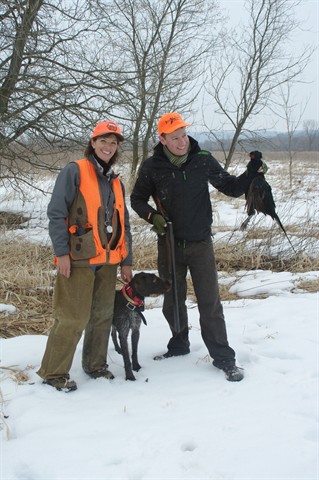
Pheasant hunting is one of North America’s most popular upland hunting traditions. Whether you’re chasing wild birds across public land or hunting on a managed preserve, understanding pheasant behavior, habitat, and hunting techniques can help make your time in the field more successful.
Pheasant Taxonomy
Pheasants are far more diverse than many people realize. While the Ring-necked Pheasant is the species most familiar in North America, the pheasant family includes dozens of species that inhabit everything from the Himalayan Mountains to the tropical forests of Southeast Asia. Each has evolved unique characteristics, behaviors, and adaptations that make them fascinating to study.
Our Complete Guide to Pheasant Taxonomy explores how scientists classify pheasants, explains the major genera within the pheasant family, and introduces many of the world’s most remarkable species. The guide also discusses how advances in DNA research have changed our understanding of pheasant relationships and why scientific classifications continue to evolve over time.
Because bird taxonomy is continually updated as new scientific discoveries are made, no single printed guide remains current forever. Organizations such as the IOC World Bird List, AviList, and the Cornell Lab of Ornithology regularly review new research and update classifications to reflect the latest scientific understanding.
Why Choose MacFarlane Pheasants?
For nearly a century, MacFarlane Pheasants has been a trusted source for premium gamebirds, serving hunting preserves, conservation organizations, landowners, and bird enthusiasts across North America. Our commitment to healthy birds, exceptional customer service, and industry-leading expertise has made us the largest pheasant farm in North America.
- Family Owned Since 1929: Nearly a century of experience raising premium gamebirds and helping customers succeed.
- North America’s Largest Pheasant Farm: Millions of pheasants raised annually, with chicks, hatching eggs, and mature birds available.
- Nationwide Delivery: Safe, reliable shipping across the United States for orders of all sizes.
- Selective Breeding Programs: Birds are carefully bred for strong flight ability, health, appearance, and field performance.
- Expert Support & Resources: Access helpful guides, educational resources, and experienced customer support before and after your purchase.
Start Raising Better Pheasants Today
We hope this guide has given you a better understanding of pheasants, from selecting the right breed and raising healthy chicks to building flight pens, incubating eggs, and preparing birds for the field. With the right knowledge and proper care, raising pheasants can be a rewarding experience for hobbyists, hunters, landowners, and commercial operations alike.
If you have questions about choosing the right birds, raising pheasants, or planning your next order, our knowledgeable team is always happy to help.
Ready to get started?
- Order pheasant chicks for the upcoming season.
- Request a mature pheasant quote for hunting preserves and release programs.
- Contact MacFarlane Pheasants to speak with one of our gamebird experts.
We look forward to helping you raise healthy, high-quality pheasants for years to come.
Take Advantage of These Free Resources
As the biggest gamebird farm in the United States, we want to share our experience with you. Download our free resources below and get started.