
Is It Difficult to Raise Pheasants?
If you’re thinking about raising pheasants, you may be wondering, “Is it difficult to raise pheasants?”
The short answer is no, but as with any livestock or poultry, success comes from proper preparation, good management, and attention to the birds’ needs. Whether you’re raising pheasants for a hunting preserve, conservation project, hobby farm, or simply for enjoyment, understanding the basics will go a long way toward raising healthy, strong birds.
At MacFarlane Pheasants, we’ve been raising game birds for generations, and we’ve learned that the most successful producers all have one thing in common: they start with a plan.
Start With the Right Brooder Setup
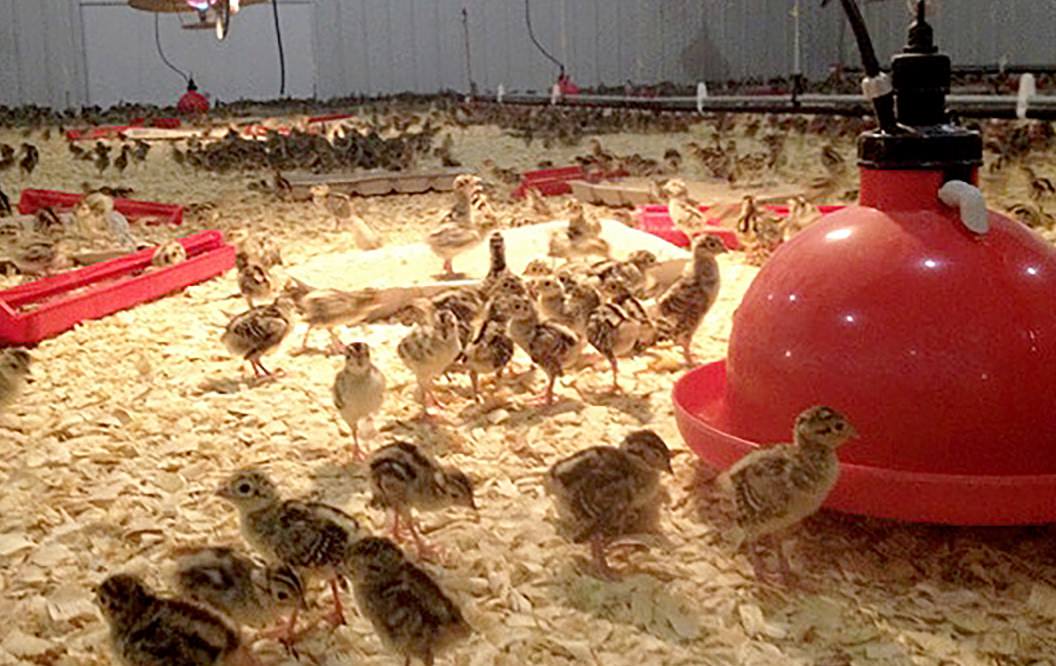
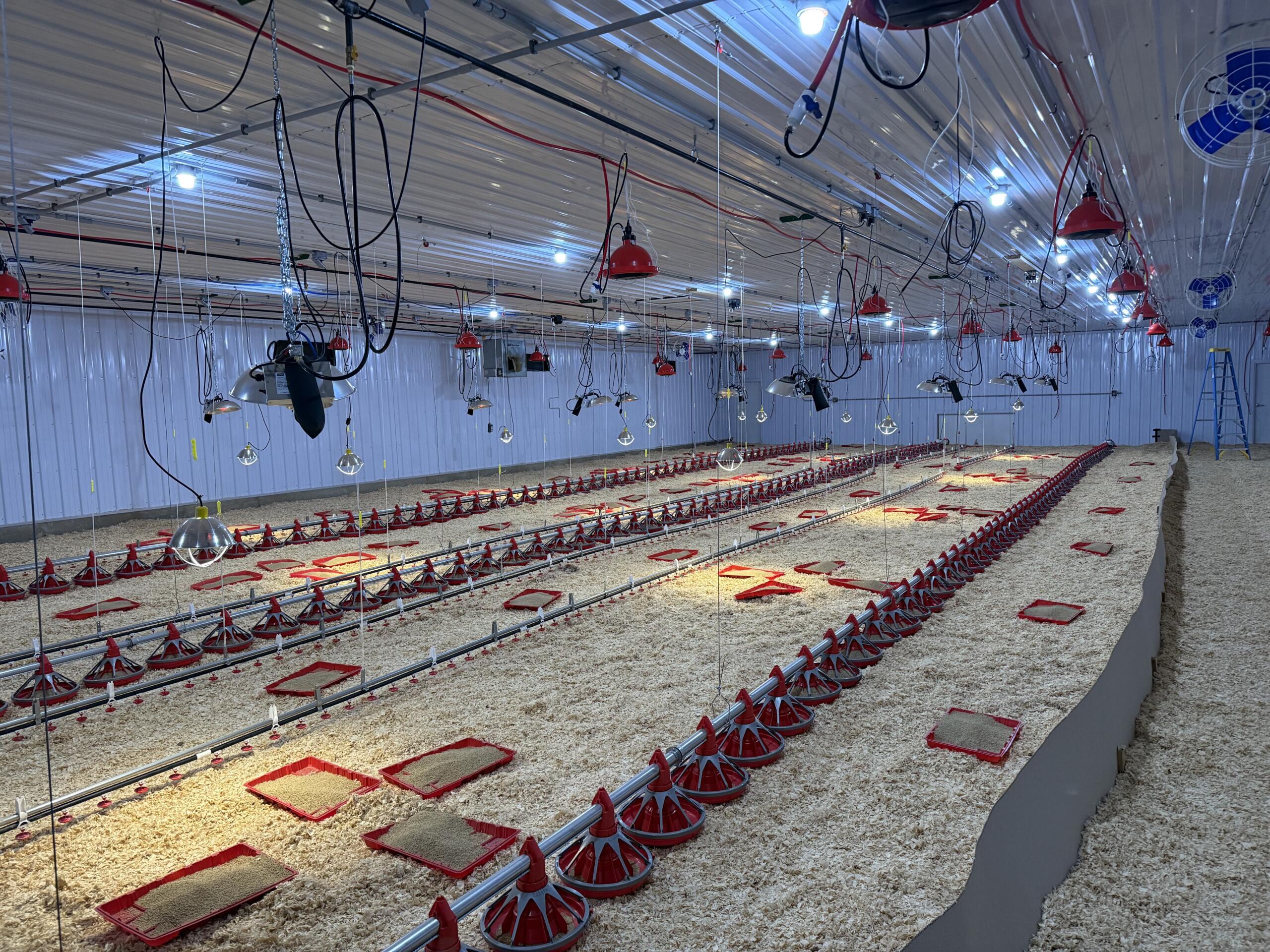
The first few weeks of a pheasant chick’s life are the most important. A clean, warm, and well-managed brooder gives chicks the best possible start. Get tips on brooder setup in our Rearing Guide.
Before your birds arrive, make sure you have:
- A clean and disinfected brooder area.
- Proper heat sources.
- Fresh water available at all times.
- High-quality game bird starter feed.
- Enough space to prevent overcrowding.
- Protection from drafts and predators.
Preparing everything ahead of time reduces stress on both you and your chicks.
Learn to Listen for “Peeping”
One of the best tools you have when raising pheasants is simply listening to your birds.
Experienced pheasant growers pay close attention to peeping, because chicks will often tell you exactly how they’re feeling.
Happy Chicks
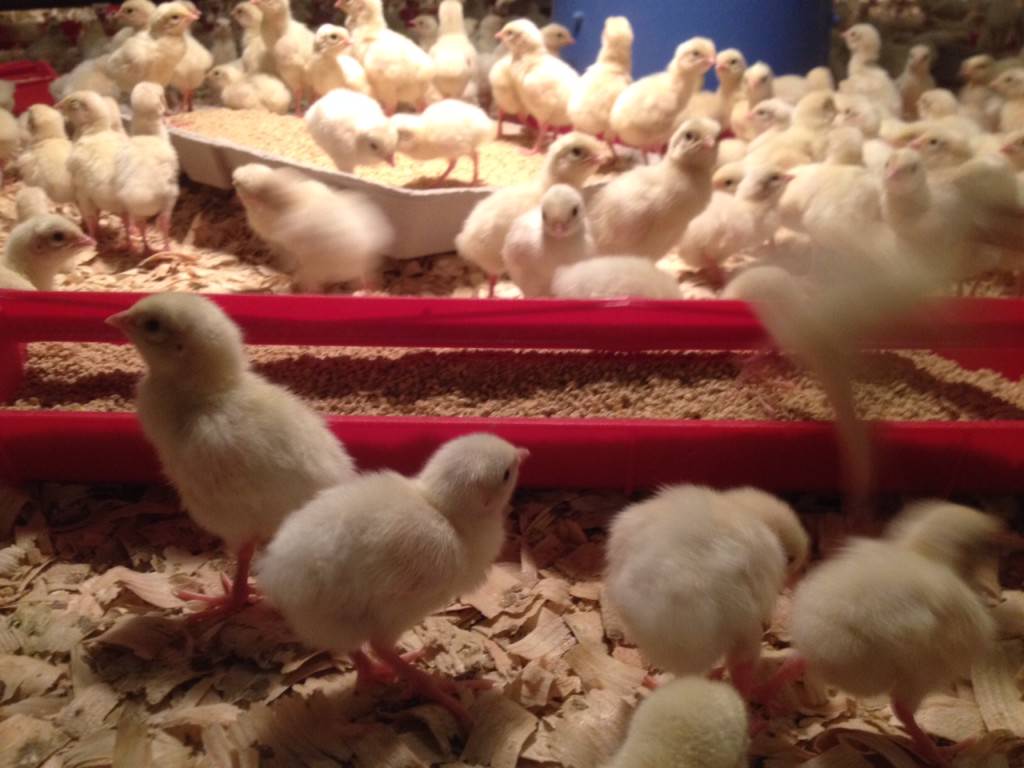
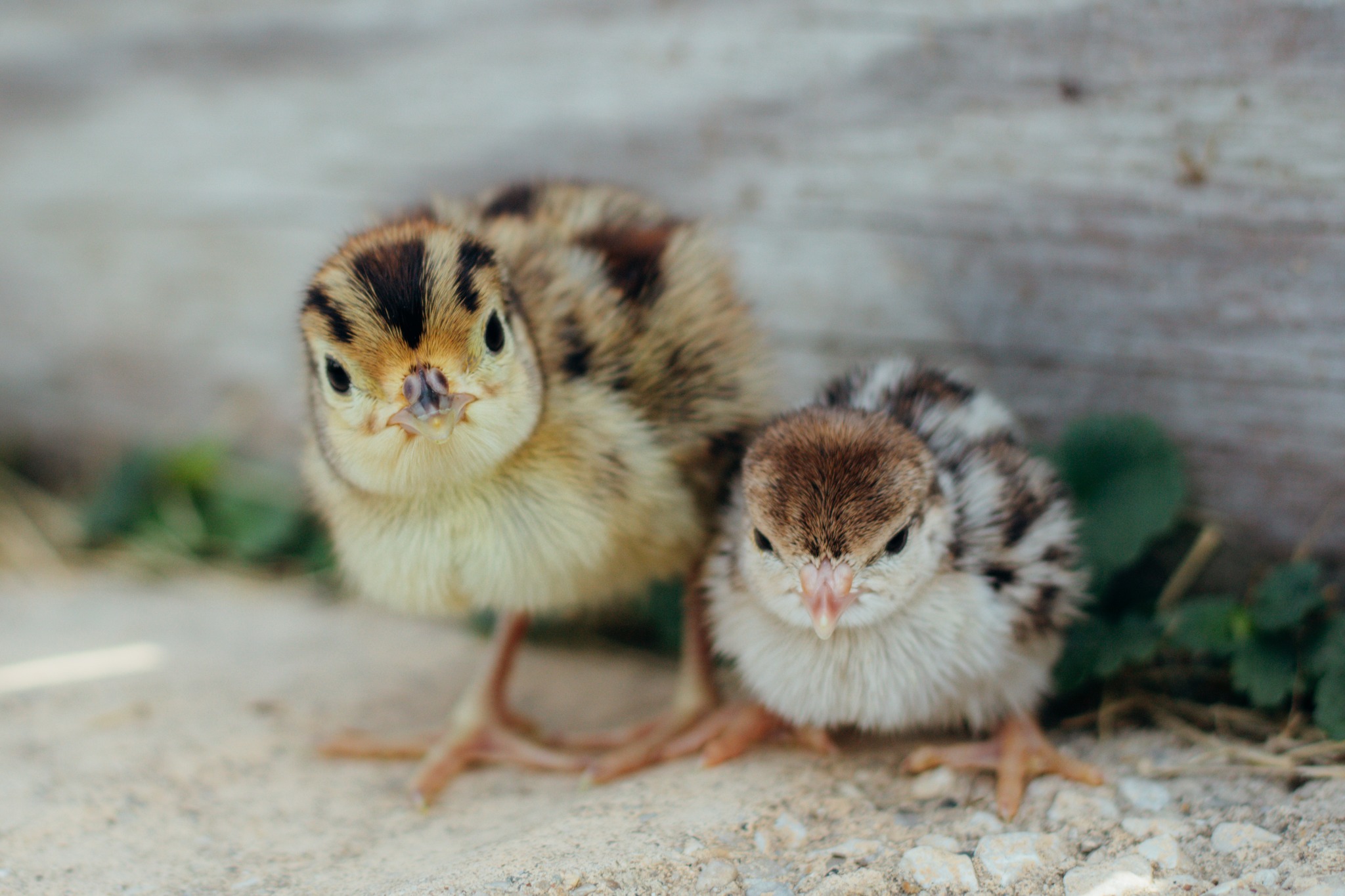
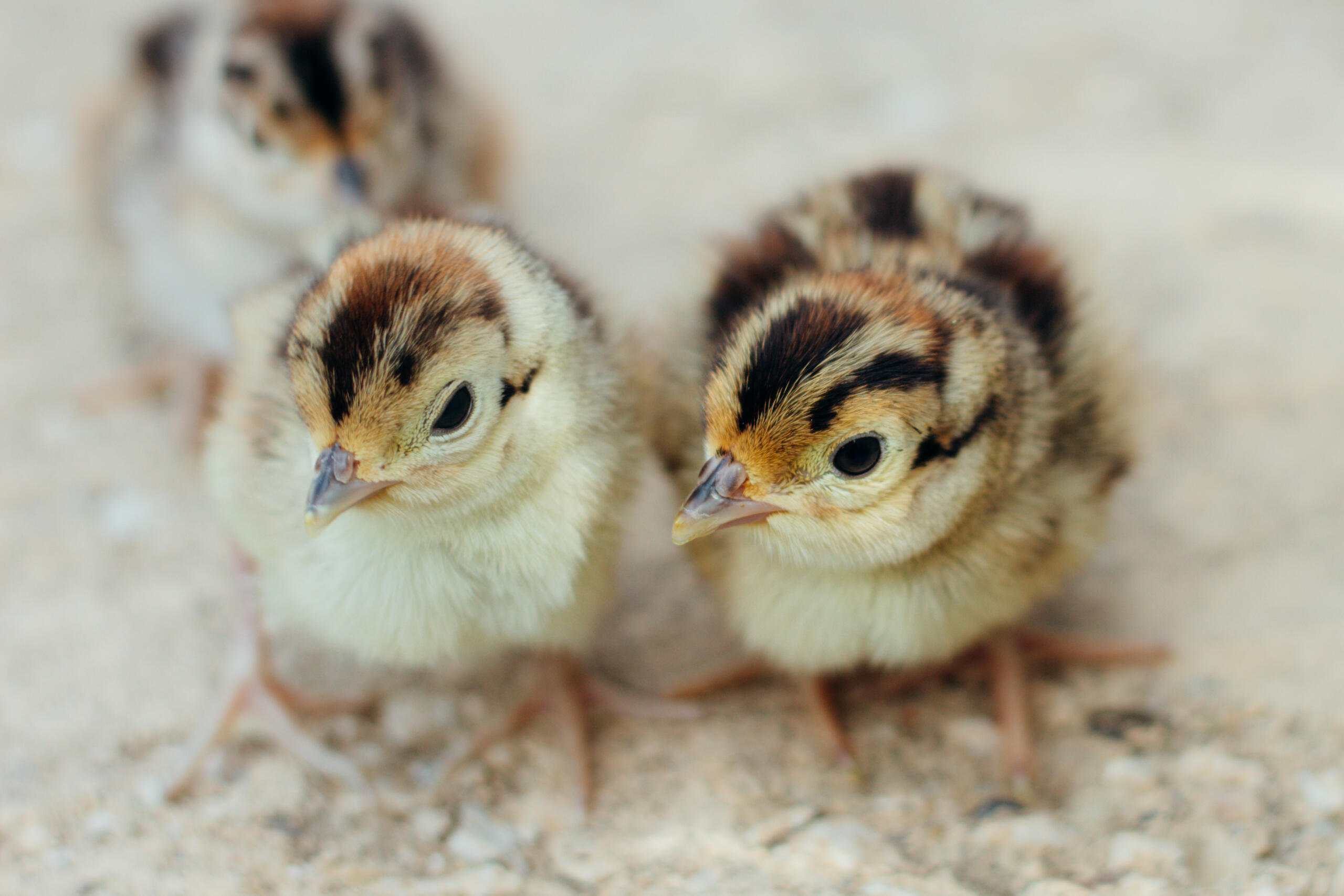
Healthy, comfortable chicks will quietly peep while eating, drinking, and exploring. They’ll spread themselves evenly throughout the brooder and remain active without piling together.
Loud or Constant Peeping
If chicks are peeping loudly or continuously, they’re trying to tell you something is wrong.
Common causes include:
- They’re too cold
- They’re too hot
- They’re thirsty
- They’re hungry
- They’re stressed or overcrowded
Observing both their behavior and the sounds they’re making allows you to identify problems before they become serious.
Give Pheasants Plenty of Space
As pheasants grow, they become active birds that need room to move and develop properly.
Overcrowding can increase stress, encourage feather picking, and lead to injuries. Providing adequate space and enrichment helps birds stay healthier and encourages natural behaviors.
Many experienced producers gradually move birds from brooders into larger grow-out pens and eventually into flight pens as they mature.
A Well-Designed Flight Pen Makes a Difference
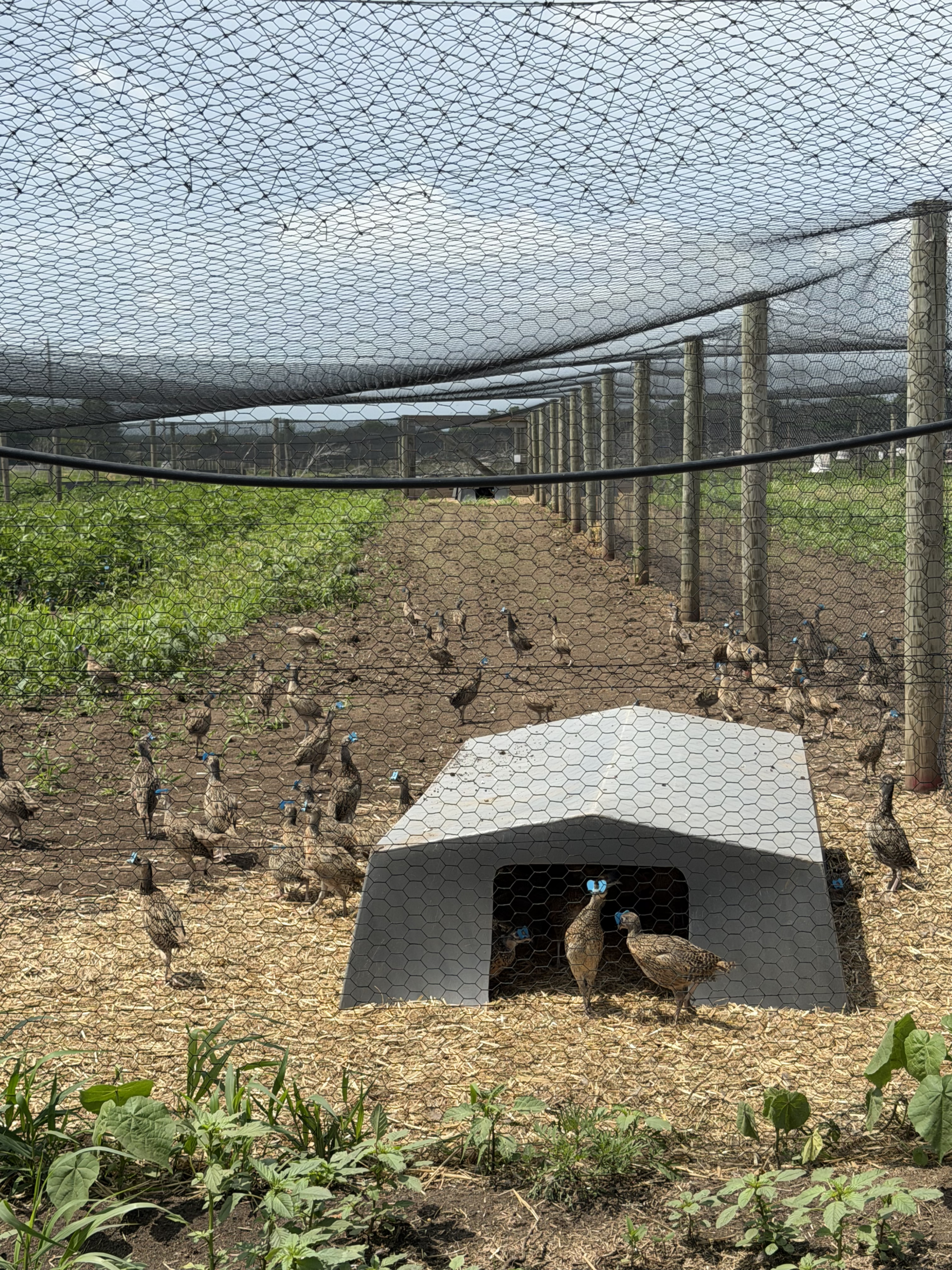
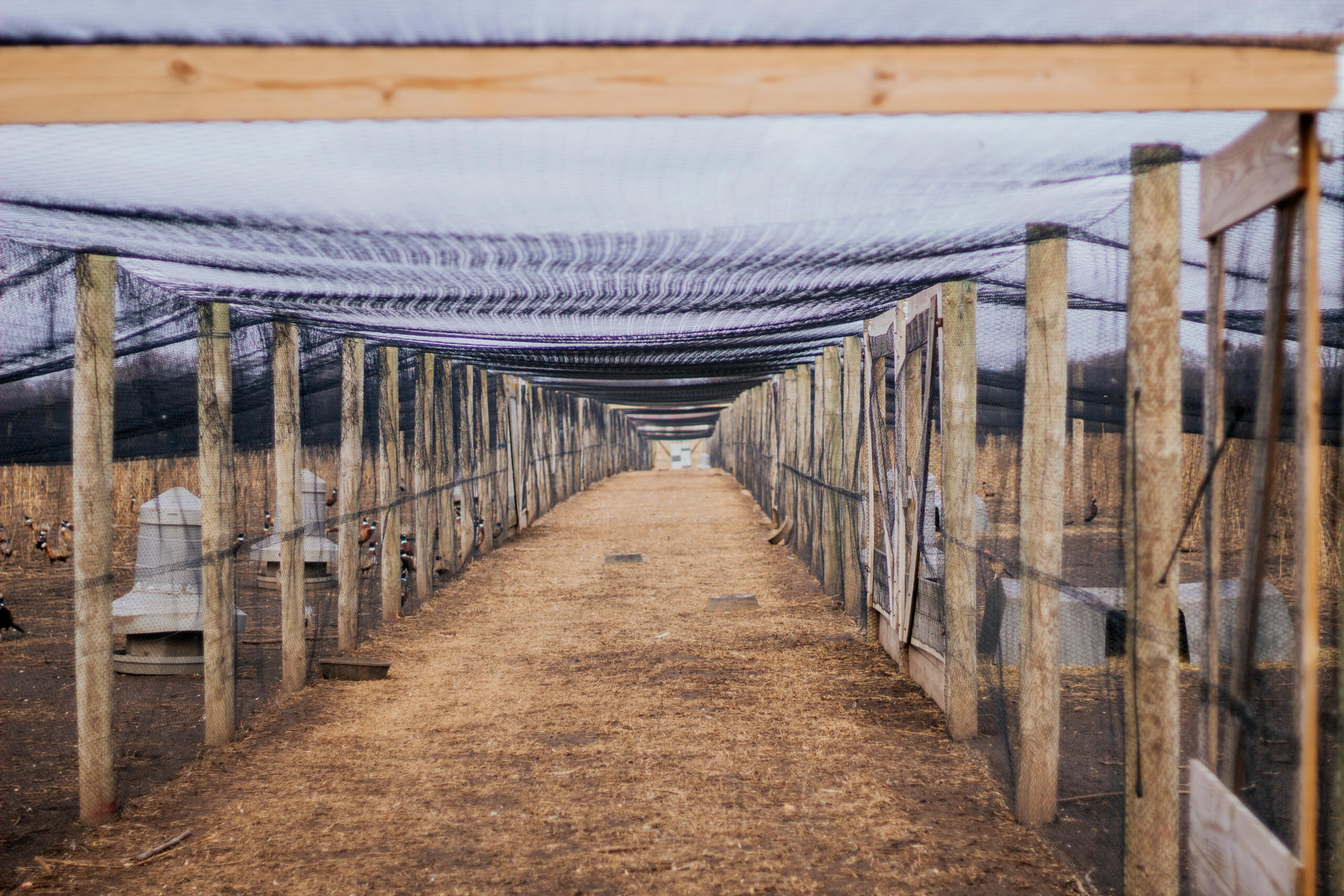
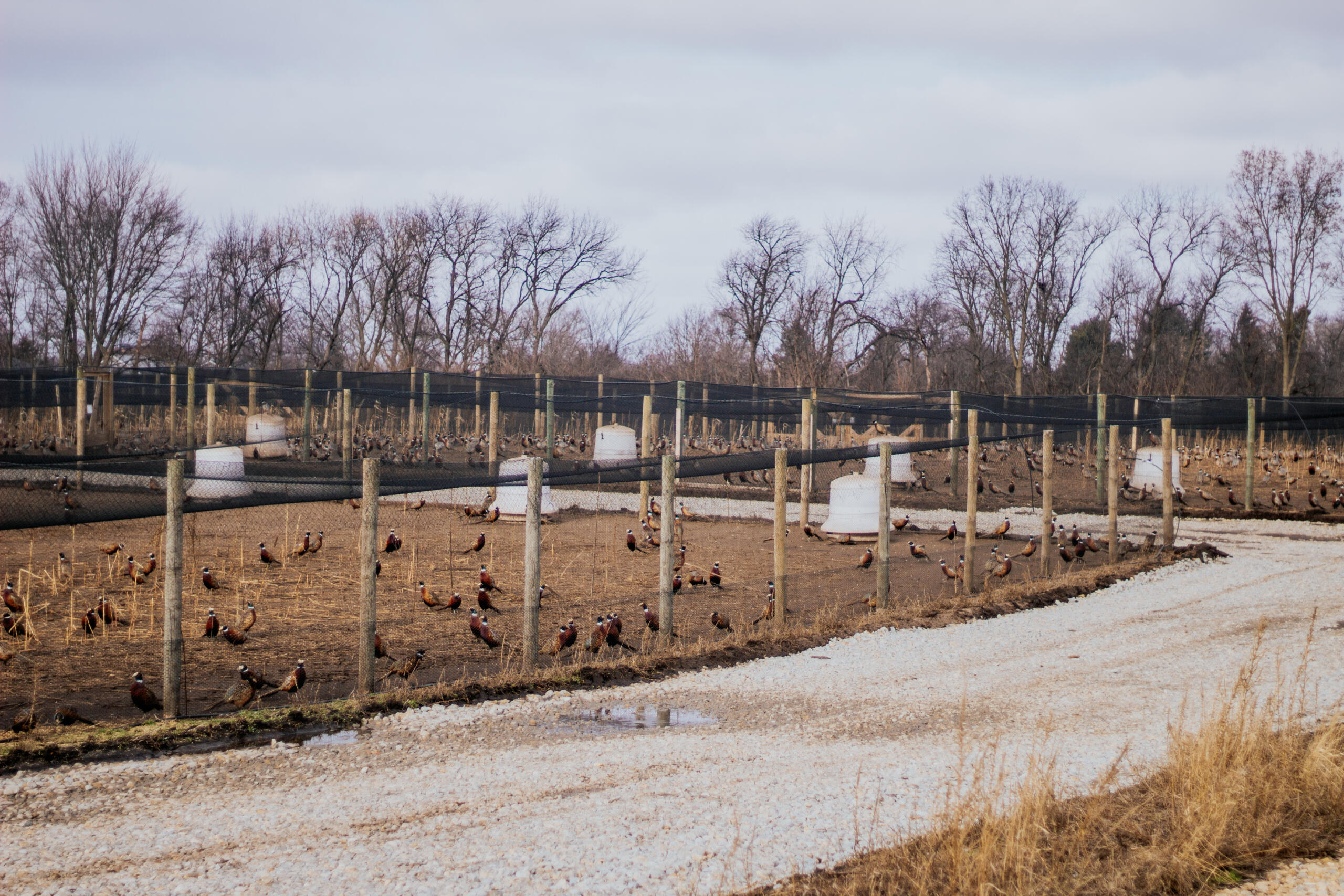
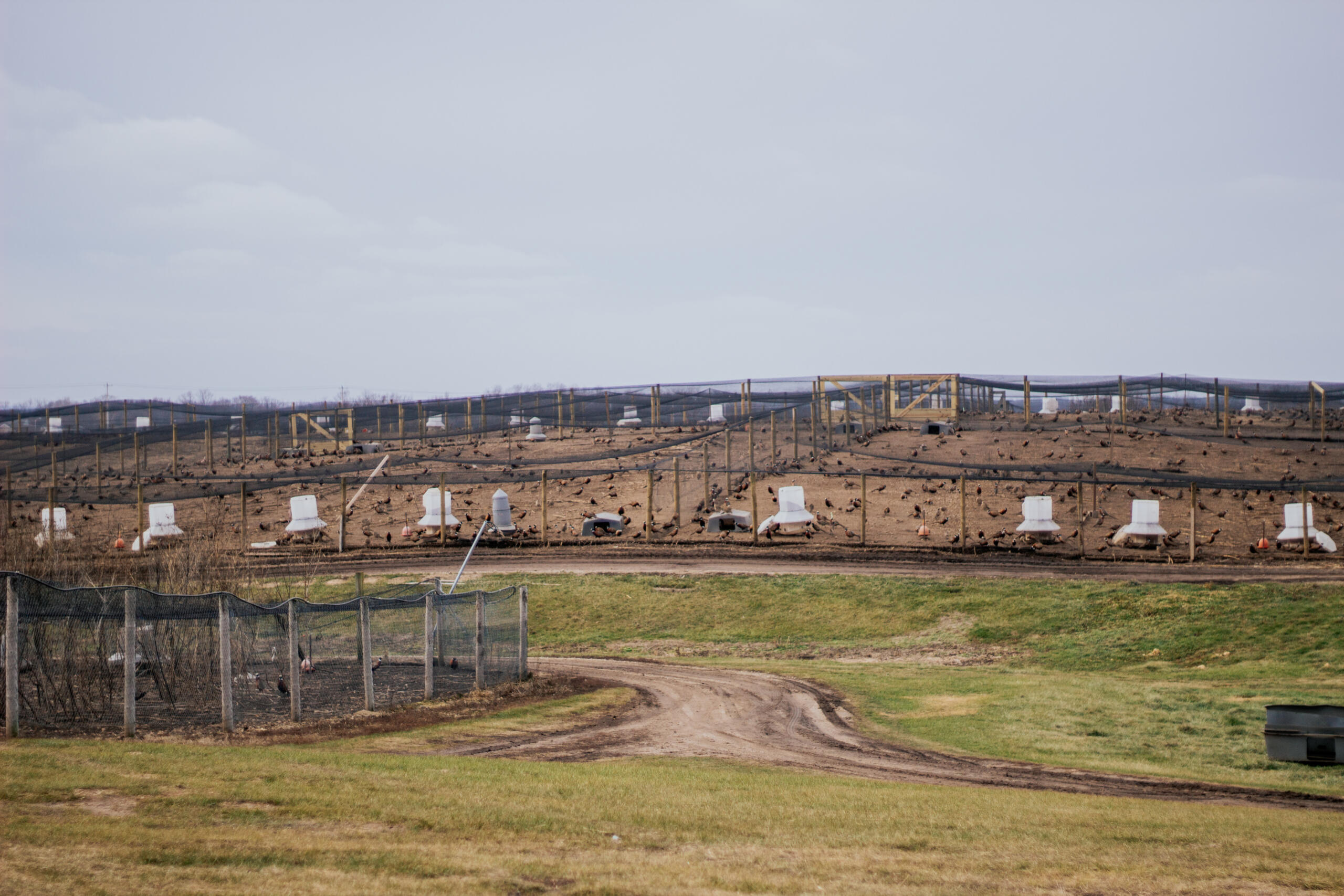
A quality flight pen is one of the most important investments you can make if you’re raising mature pheasants.
Proper flight pens help birds:
- Develop strong flying muscles
- Build endurance
- Reduce stress
- Stay active and healthy
- Prepare for release or hunting preserves
The design of the pen, including its size, layout, fencing, and cover, all contributes to the quality of the birds you raise. Get step-by-step advice on your flight pen setup here.
Use Proven Resources
One of the easiest ways to improve your success is by learning from producers who have been raising pheasants for decades.
At MacFarlane Pheasants, we’ve developed resources to help both first-time growers and experienced producers.
Pheasant Rearing Guide
Our rearing guide covers the fundamentals of successfully raising pheasants, including:
- Brooder setup
- Feeding recommendations
- Temperature management
- Bird health
- Growth stages
- Daily management practices
It’s a great place to start if you’re new to pheasants or looking to improve your current operation.
Flight Pen Construction Manual
Building the right flight pen can significantly impact bird performance and overall management.
Our Flight Pen Construction Manual shares practical advice on:
- Pen design
- Recommended dimensions
- Materials
- Predator protection
- Layout considerations
- Best practices developed through years of experience
Whether you’re building your first pen or expanding an existing operation, proper planning can save time and improve results.
Raising Pheasants Is a Learning Experience
Every flock teaches you something new. Even experienced producers continue to refine their management practices and learn from each season.
The key is to pay attention to your birds, stay proactive, and use reliable resources when questions arise.
Success Starts With Good Preparation
Raising healthy pheasants is very achievable with the right setup, quality birds, and a willingness to observe and learn. Closely monitoring your birds, maintaining a clean environment, providing enough space, and investing in proper flight pens all contribute to long-term success.
Whether you’re raising a small backyard flock or managing thousands of birds, starting with proven management practices will help you build a healthy, productive operation for years to come.
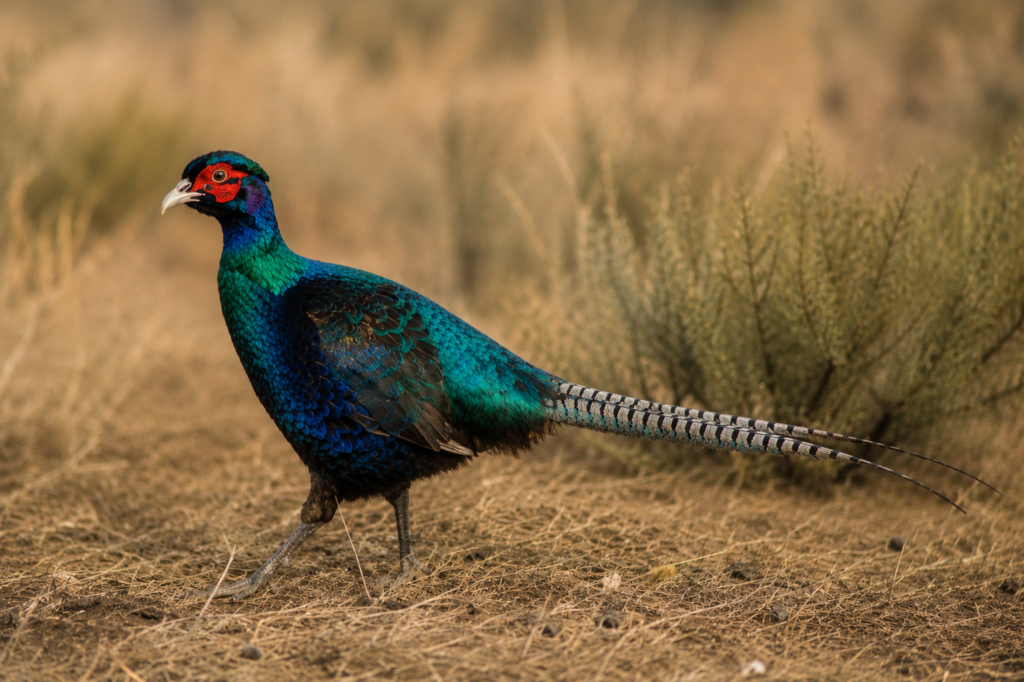 Melanistic Mutant Pheasants: A Unique Bird with Exceptional Beauty & Performance
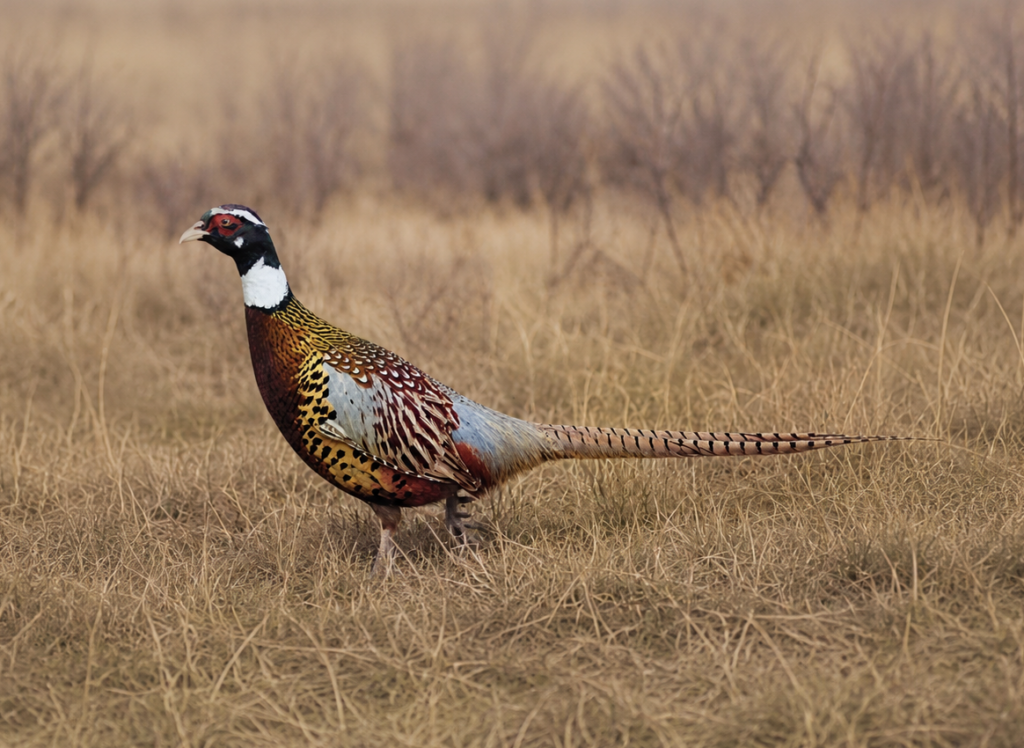 Do Pheasants Make Good Pets?
Related Posts
Shipping Chicks Safely During Cold Weather Months
Read Post
Preparing Our Barns & Pens Each Spring
Read Post
A Comparison of Hatch Data Between Two Different Genetic Types of Pheasants
Read Post
DuPont Financial Analysis Model
Read Post
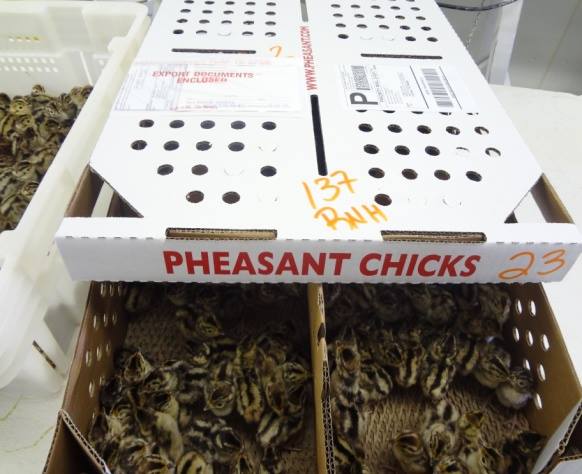
Post Office Tells FedEx to Start Carrying Live Animals
Read Post
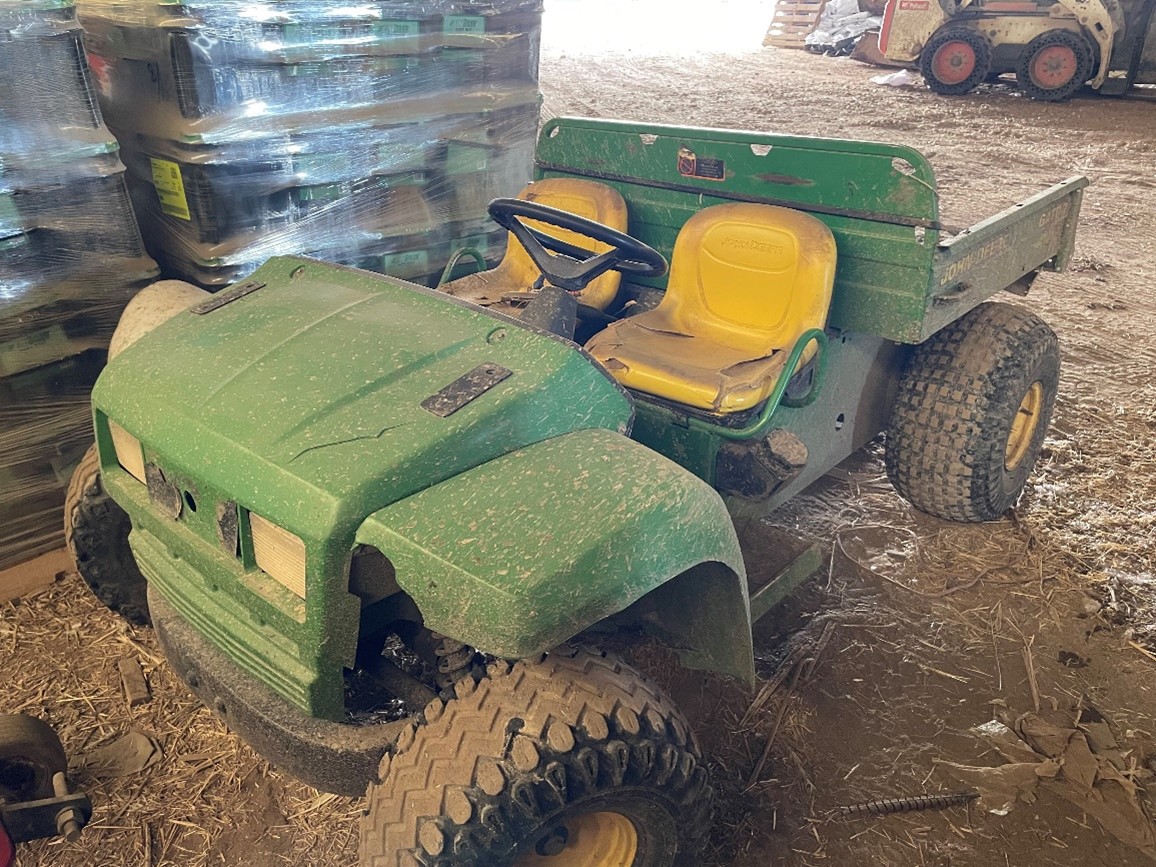
MacFarlane Pheasants is Using 4-Wheelers for Farm Upkeep
Read Post

Hatchery News at MacFarlane Pheasants
Read Post
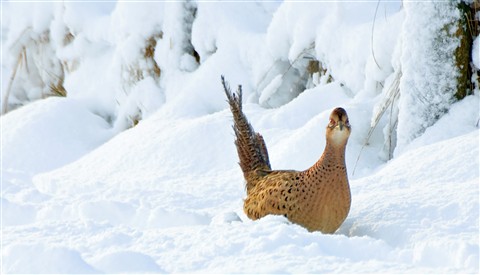
How We Winterize at Our Milton Farm
Read Post
Take Advantage of These Free Resources
As the biggest game bird farm in the United States, we want to share our experience with you. Download our free resources below and get started.