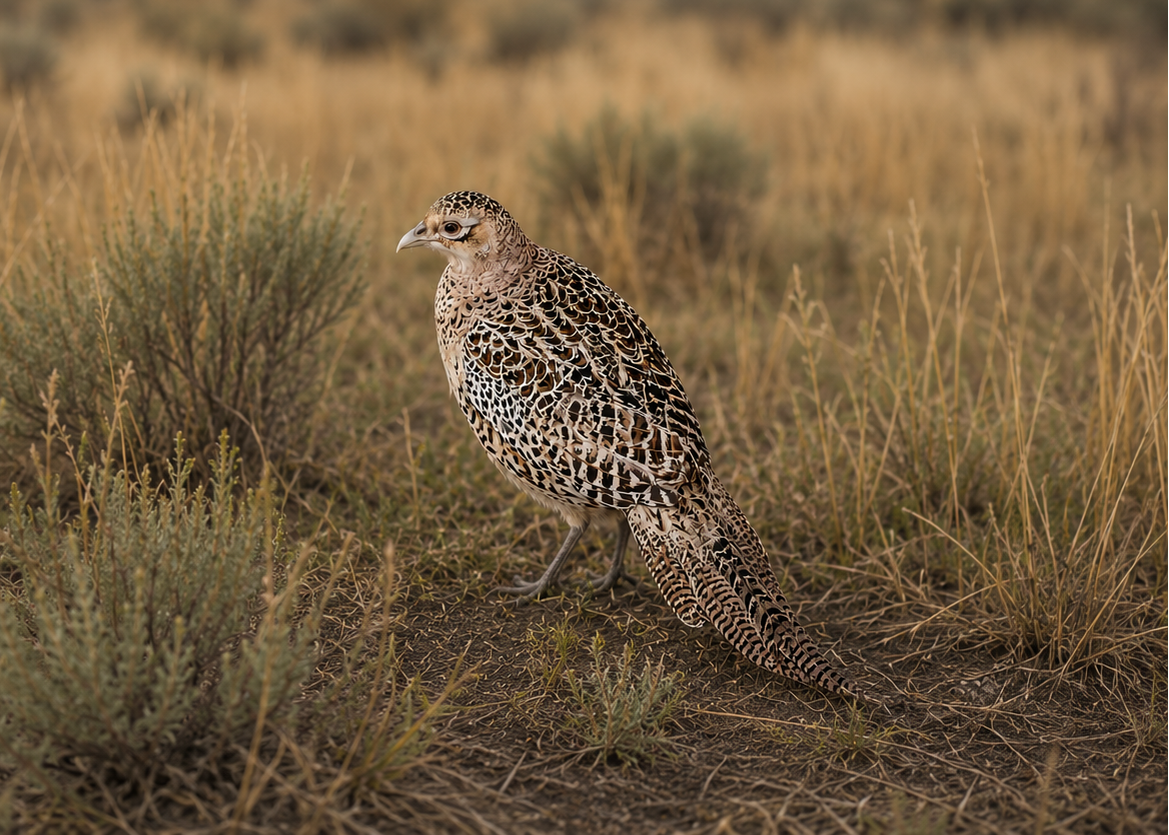
Ringneck Hen Pheasant

The hen pictured here is from our Manchurian Cross breed. These birds are similar in size and color to the Ringneck hens and are excellent flight birds. These birds have been known to roost in trees. Prime habitat consists of 55-70 % crop fields such as corn, soybean, or small grains. The remainder of the habitat should include some wetlands, grassland, and woodland or brushy thickets. When propagating your land, it is often best to release the hens 3-4 weeks before the breeding begins so that the hens can nest and become comfortable with their surroundings.
FAQs About Ringneck Hens

A ringneck hen pheasant is the female of the ring-necked pheasant species. While rooster pheasants are known for their colorful plumage, hens have mottled brown feathers that provide excellent camouflage for nesting and raising chicks. Ringneck hen pheasants play a vital role in breeding programs, wildlife conservation efforts, and maintaining healthy game bird populations.

At MacFarlane Pheasants, we raise healthy, high-quality ringneck hen pheasants with a focus on genetics, bird health, and long-term performance.

Ringneck hen pheasants typically reach full maturity in 16 to 20 weeks. During this time, they develop from day-old chicks into fully feathered adults capable of breeding and adapting to a variety of environments.

Proper nutrition, housing, and management throughout the growing process help produce healthy, productive hens. Get advice on proper feed and care guidelines in our pheasant rearing guide.

Yes! MacFarlane Pheasants offers several purchasing options to fit your needs.

Depending on your goals, you can purchase:

Whether you’re adding a few hens or expanding a large operation, we have options to help you get started.

Ringneck hen pheasants are commonly raised for:

  • Breeding programs
  • Hunting preserve operations
  • Wildlife habitat and conservation projects
  • Game bird farms
  • Educational programs
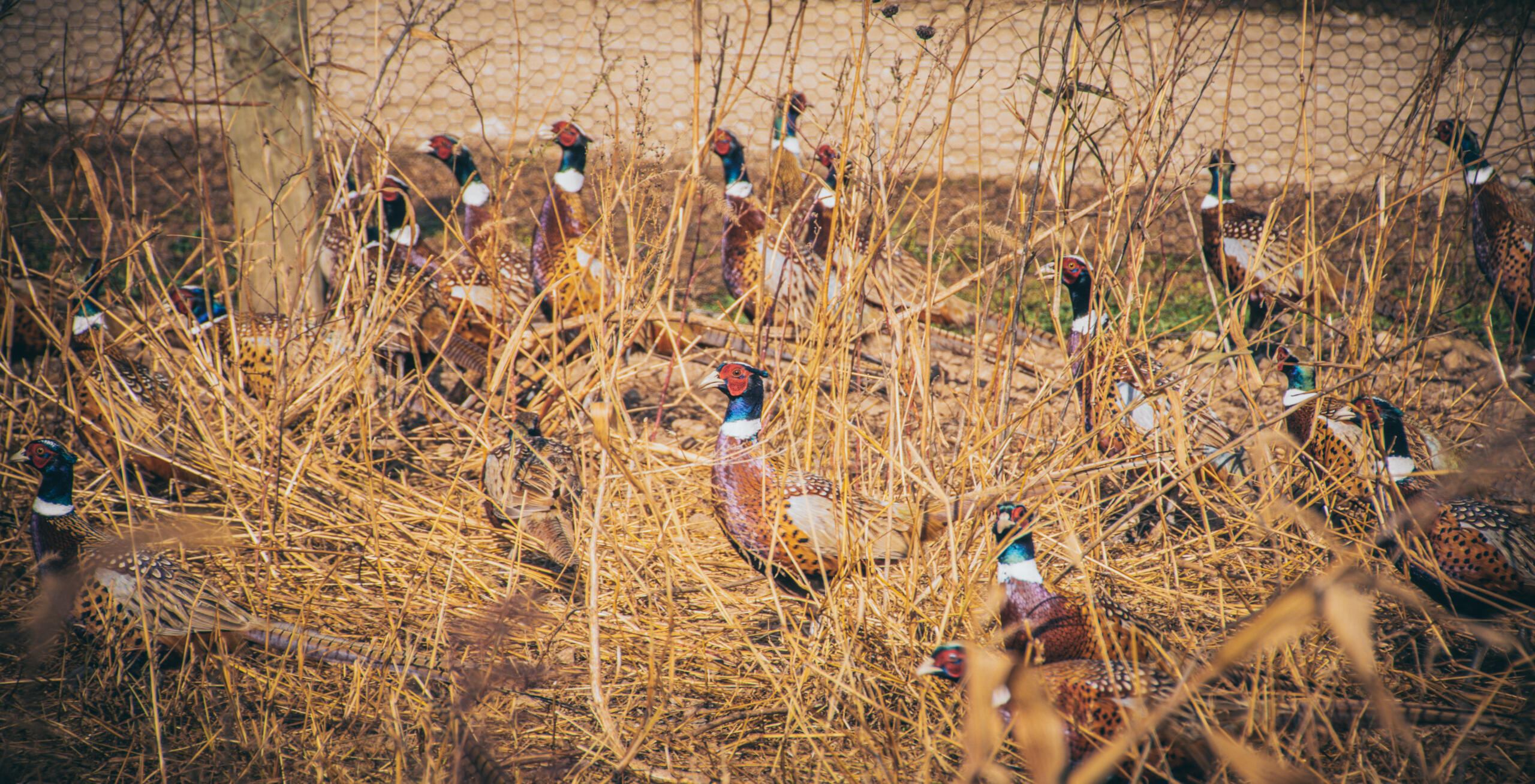
  • Building or expanding pheasant flocks

Healthy hens are the foundation of successful breeding programs and strong pheasant populations.

Most healthy ringneck hen pheasants begin laying eggs in the spring after reaching maturity. Egg production is influenced by factors such as age, nutrition, daylight hours, and overall health.

Providing proper care and a balanced diet helps hens produce healthy, fertile eggs throughout the breeding season. Get advice on proper feed and care guidelines in our pheasant rearing guide.

Ringneck hen pheasants are easy to identify once birds mature.

Hens typically have:

  • Mottled brown and tan feathers
  • Shorter tails
  • Smaller body size
  • Excellent camouflage

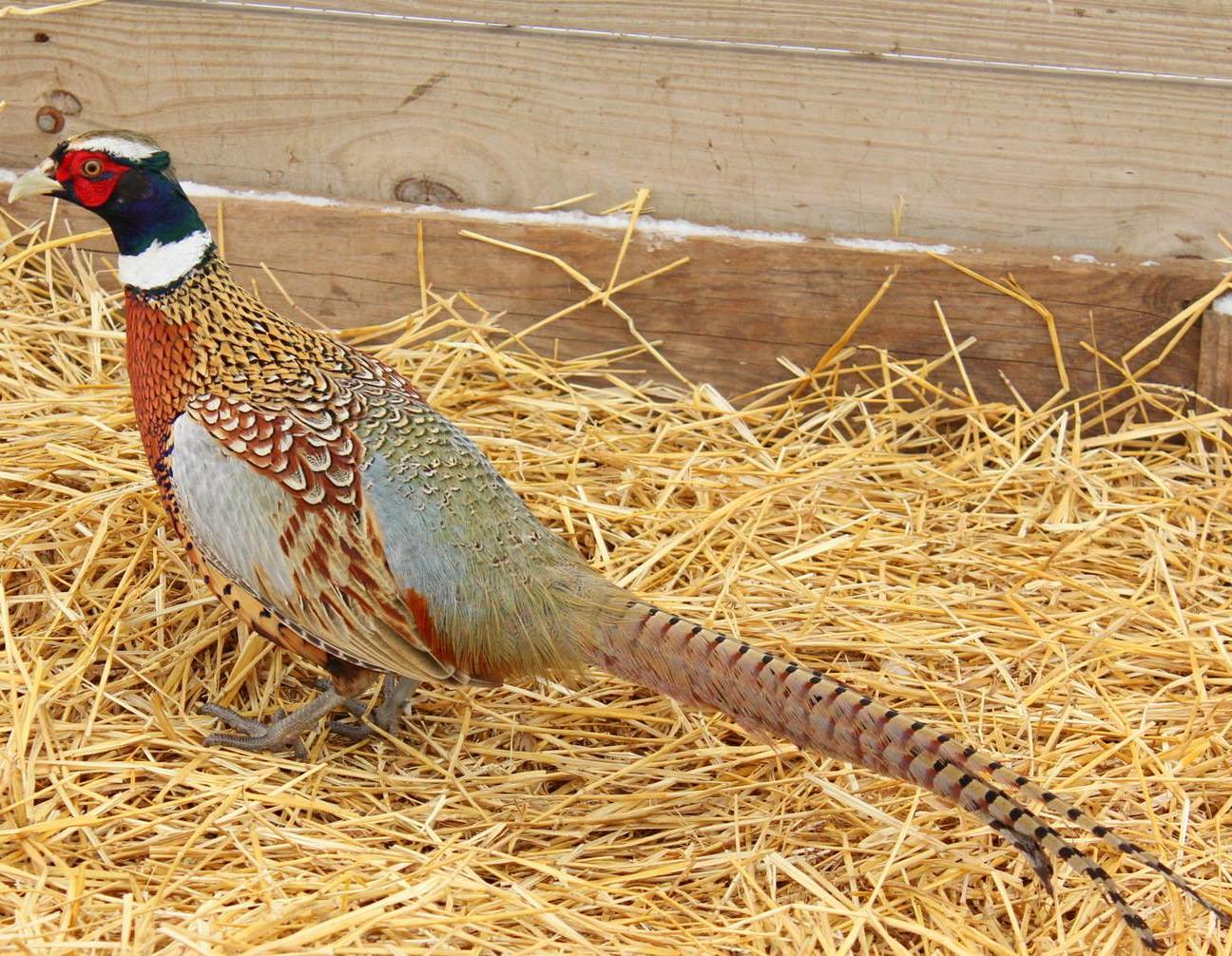
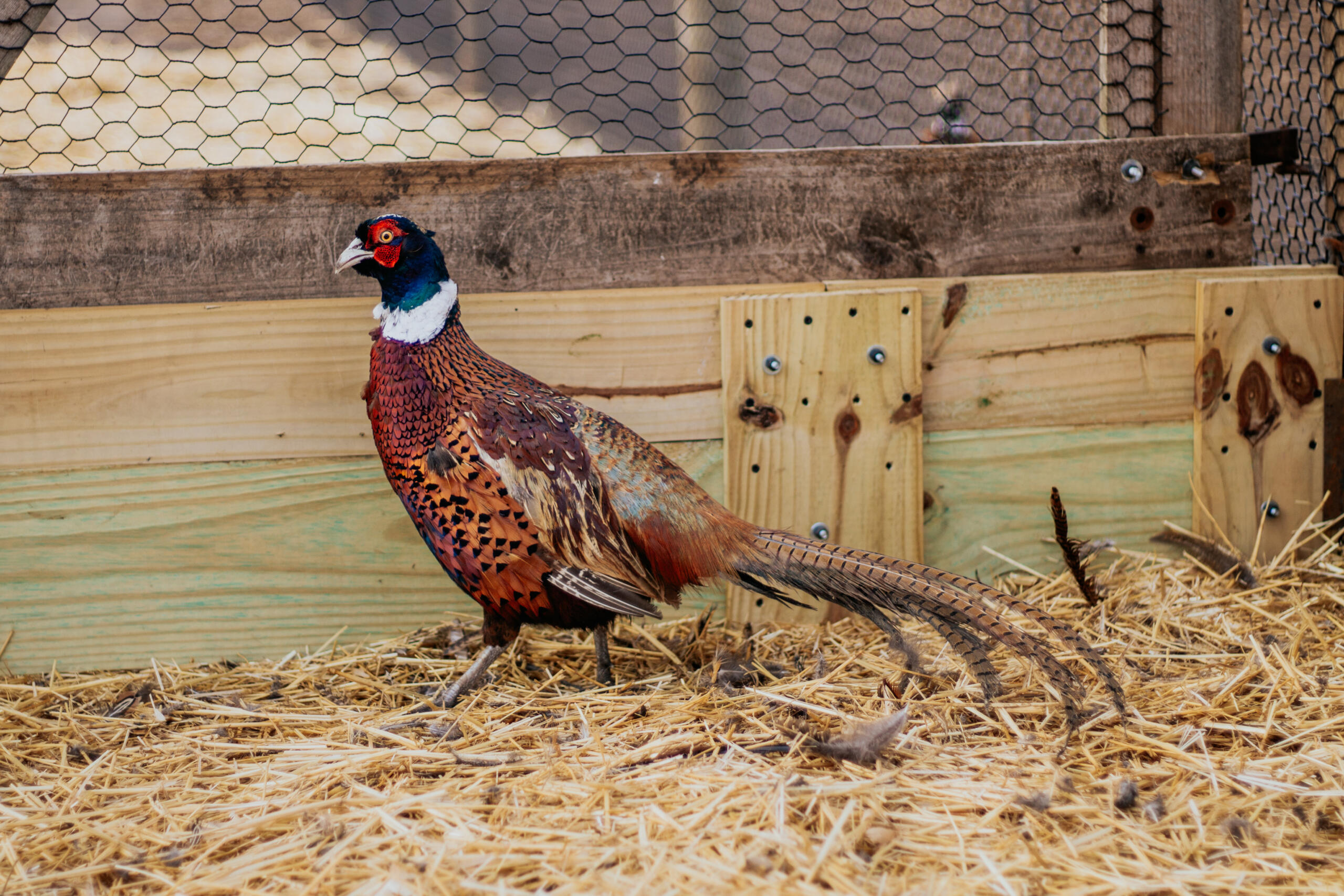
Rooster pheasants develop:

  • A metallic green head
  • White neck ring
  • Bright copper and gold feathers
  • Long, colorful tail feathers

These differences become more noticeable as birds approach 16 to 20 weeks of age.

Absolutely. Healthy ringneck hen pheasants are essential for successful breeding operations. Strong hens produce fertile eggs, care for developing chicks in natural settings, and help maintain productive breeding flocks.

At MacFarlane Pheasants, our breeding program emphasizes healthy genetics, excellent fertility, and dependable bird quality to support customers with long-term success. Get more information on breeding here.

Contact us for more details or with any questions.

Read More About Ringneck Pheasants

  • Ringneck Pheasant Breeds: How to Choose the Right Bird

    Read Post

  • Popular Game Bird Breeds and What Makes Each One Unique

    Read Post

  • Chinese Ringneck

    Breeding Pheasants with Beautiful Tails

    Read Post