Spooky Pheasant Facts: Surprising Things You Didn’t Know About Pheasants
When you think of Halloween, you probably picture ghosts, witches, bats, and things that go bump in the night. But what about pheasants?
These colorful game birds might not seem particularly spooky at first glance, but they have some surprisingly eerie habits! From bloodcurdling calls and sudden bursts of flight to built-in weapons and mysterious dark feathers, pheasants have plenty of tricks up their wings.
At MacFarlane Pheasants, we’ve spent decades raising and caring for these fascinating birds. In honor of Halloween, we’re sharing spooky pheasant facts that might make you see these feathered creatures in a whole new light.
Pheasants Make Startling Alarm Calls
Imagine walking through a quiet field on a crisp October morning when suddenly a loud, harsh call breaks the silence. You might think you’ve disturbed something straight out of a scary movie, but it could just be a ring-necked pheasant!
Pheasants make a variety of vocalizations, including alarm calls when they sense danger. Male ring-necked pheasants are especially known for their loud, raspy crowing sounds, which can carry across open fields. These calls serve important purposes, including warning other birds and communicating with potential rivals.
Hear the sound of a pheasant in the video below. Although it might not seem alarming in this context, standing in the middle of a quiet field and hearing this sound can be alarming.
The Birds That Vanish Into Thin Air
One moment, there’s a pheasant standing in the grass. The next, it’s gone! No, pheasants don’t have magical powers, but they are remarkably good at disappearing into their surroundings.
Female ring-necked pheasants have mottled brown and tan feathers that provide excellent camouflage among grasses, brush, and vegetation. This coloring is particularly important when hens are nesting on the ground.
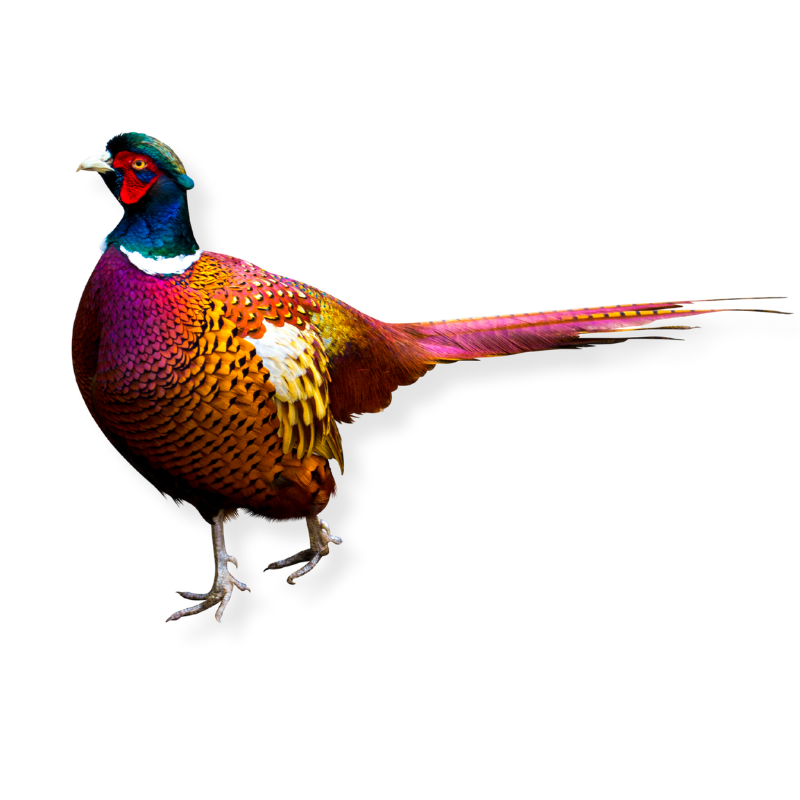
Male pheasants may have bright copper-colored bodies, green heads, and red facial markings, but even they can be difficult to spot when surrounded by dense cover. Pheasants also tend to run through vegetation rather than immediately taking flight, allowing them to slip away without attracting much attention.
You could walk surprisingly close to a pheasant without realizing it’s there!
Pheasants Can Give You Quite a Scare
If you’ve ever accidentally flushed a pheasant from tall grass, you know just how startling it can be. A pheasant may remain perfectly still until the last possible moment, then suddenly burst into the air with rapid, powerful wingbeats.
The noise and movement can be enough to make even an experienced outdoorsperson jump! Ring-necked pheasants are strong, fast flyers over short distances. Their explosive takeoffs help them escape predators and other threats. However, pheasants generally spend much of their time on the ground, walking and running as they search for food and shelter.
Feathered Fighters With Built-In Weapons
Pheasants might look beautiful, but male pheasants come equipped with a surprising natural weapon: spurs!
Spurs are pointed projections found on the backs of male pheasants’ legs. They can use these spurs during confrontations with rival males. During breeding season, territorial roosters may chase, peck, jump, and strike at one another as they compete for space and access to hens.
These behaviors are a natural part of pheasant life, but aggressive encounters can sometimes result in injuries.
The Silent Stalkers of Pheasant Country
Pheasants aren’t the only creatures hiding in the fields. While pheasants search for seeds, insects, and other food, predators may be watching from nearby cover or circling overhead.
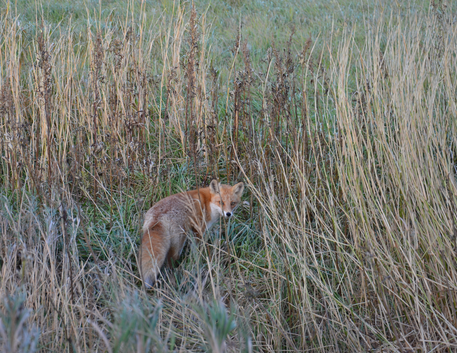
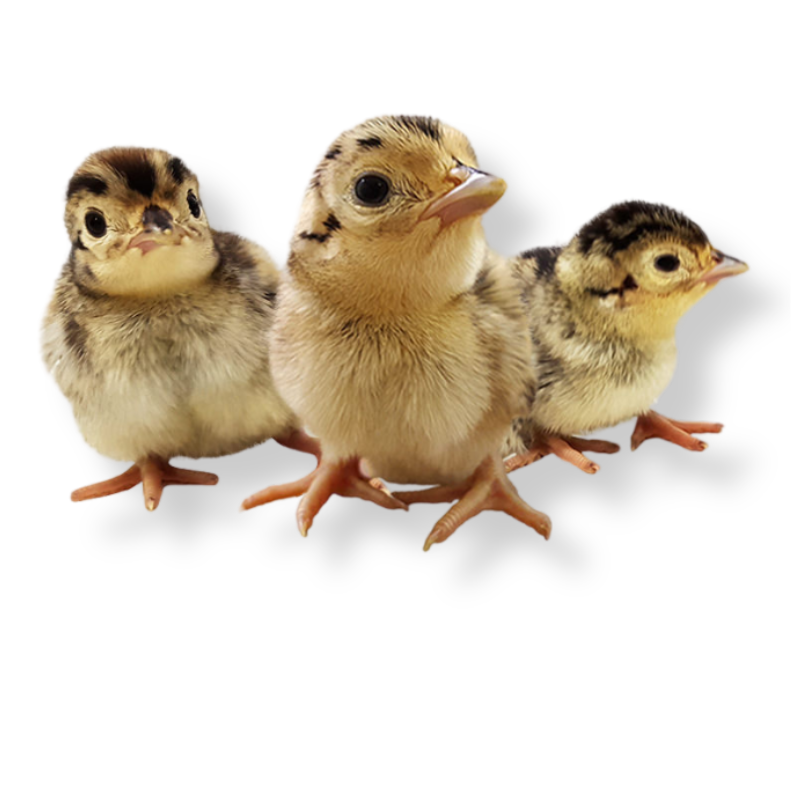
Foxes, coyotes, hawks, owls, and other predators can pose threats to pheasants, particularly eggs, chicks, and birds caught in exposed areas. Pheasants rely on their sharp senses, camouflage, quick running abilities, and sudden bursts of flight to avoid danger.
This is one reason suitable pheasant habitat is so important. Tall grasses, brush, and other protective vegetation provide places for birds to hide and escape predators.
For property owners interested in supporting pheasants, providing protective cover and quality habitat can help improve their chances of survival.
A Pheasant With a Nearly Black Costume
Not every pheasant wears the familiar copper, green, and white feathers of a male ringneck pheasant. Some pheasants have strikingly dark plumage that makes them look perfectly dressed for Halloween!
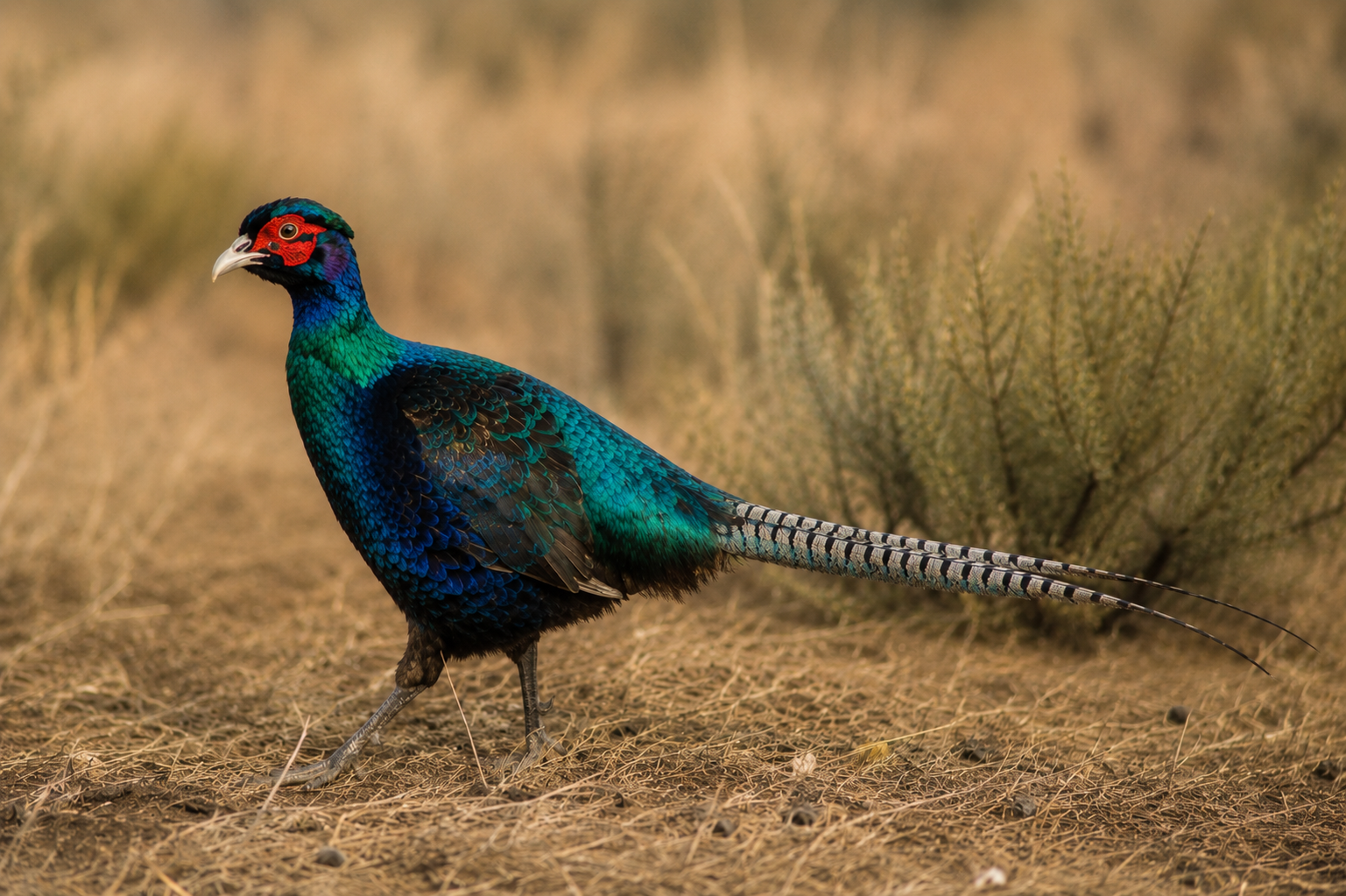 The melanistic mutant pheasant is a dark-colored variety of the ring-necked pheasant. These birds often have deep green, blue, purple, or nearly black feathers that can appear iridescent in the sunlight.
Their unusual appearance makes them stand out from more traditionally colored pheasants. Despite their mysterious coloring, melanistic pheasants are real birds, not creatures from a Halloween legend.
Want to see these unusual birds for yourself? Explore our Melanistic Mutant Pheasants to learn more about their appearance and availability.
Happy Halloween From MacFarlane Pheasants!
From startling calls and explosive takeoffs to mysterious camouflage and dark-colored feathers, pheasants are full of surprises!
These spooky pheasant facts are just a few examples of what makes these birds so interesting. Whether you’re a hunter, bird enthusiast, property owner, or someone who simply enjoys learning about wildlife, there’s always something new to discover about pheasants. Keep exploring with our Pheasant Facts page and learn even more about these incredible birds!
Looking for a Halloween activity? Check out our free printable Halloween pheasant coloring pages featuring our feathered friends dressed up in creative costumes.
 Free Printable Halloween Pheasant Coloring Pages for Kids
Related Posts

How to Hatch Pheasant Eggs: 10 Expert Tips for Incubating Pheasant Eggs Successfully
Read Post
Choosing the Best Bedding for Pheasants and Gamebirds
Read Post
How Much Do Mature Pheasants Cost?
Read Post
Popular Gamebird Breeds and What Makes Each One Unique
Read Post
How Much Space Do Pheasants Need? A Guide to Brooder, Feeder & Water Space
Read Post
Flight Pen Construction: A Step-by-Step Look
Read Post

Do Pheasants Make Good Pets?
Read Post
Is It Difficult to Raise Pheasants?
Read Post
Take Advantage of These Free Resources
As the biggest gamebird farm in the United States, we want to share our experience with you. Download our free resources below and get started.