New Machine and Straw Sheds: Supporting Our Daily Operations
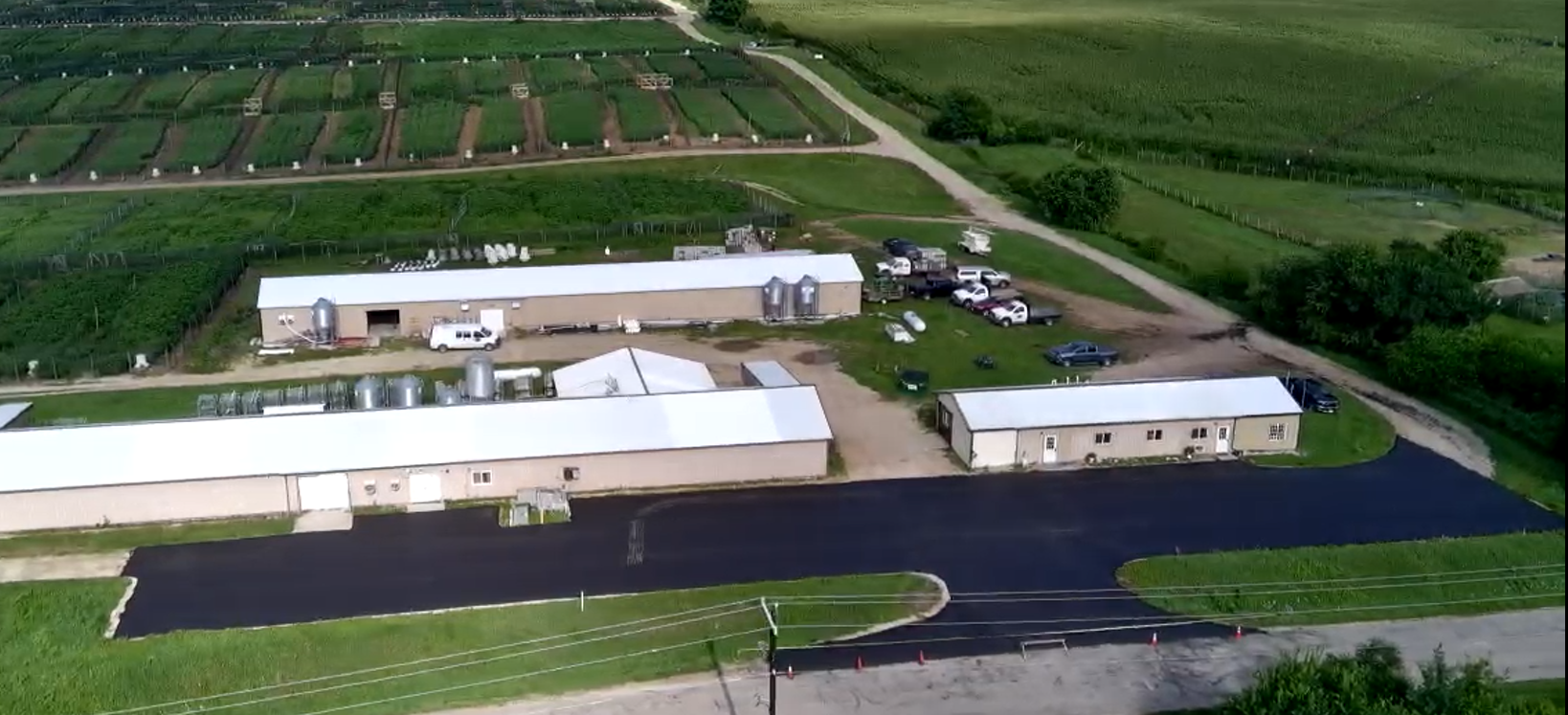
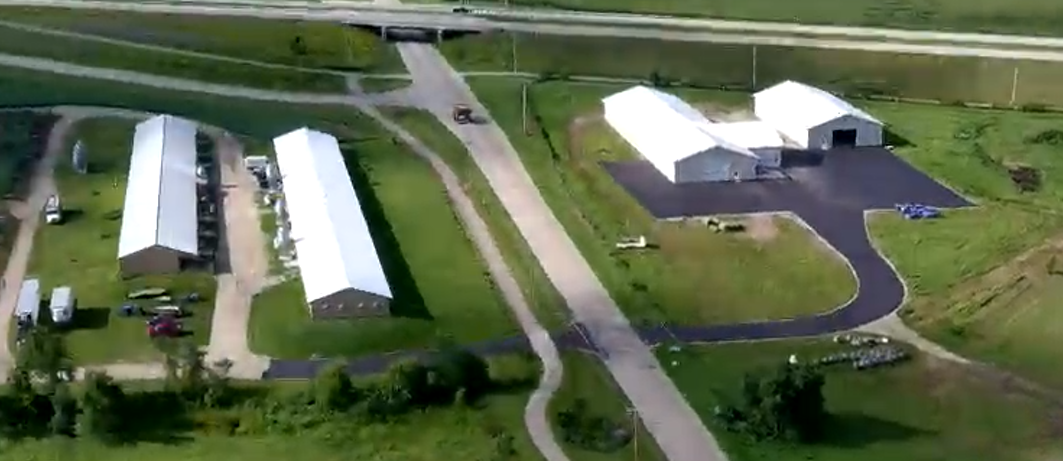
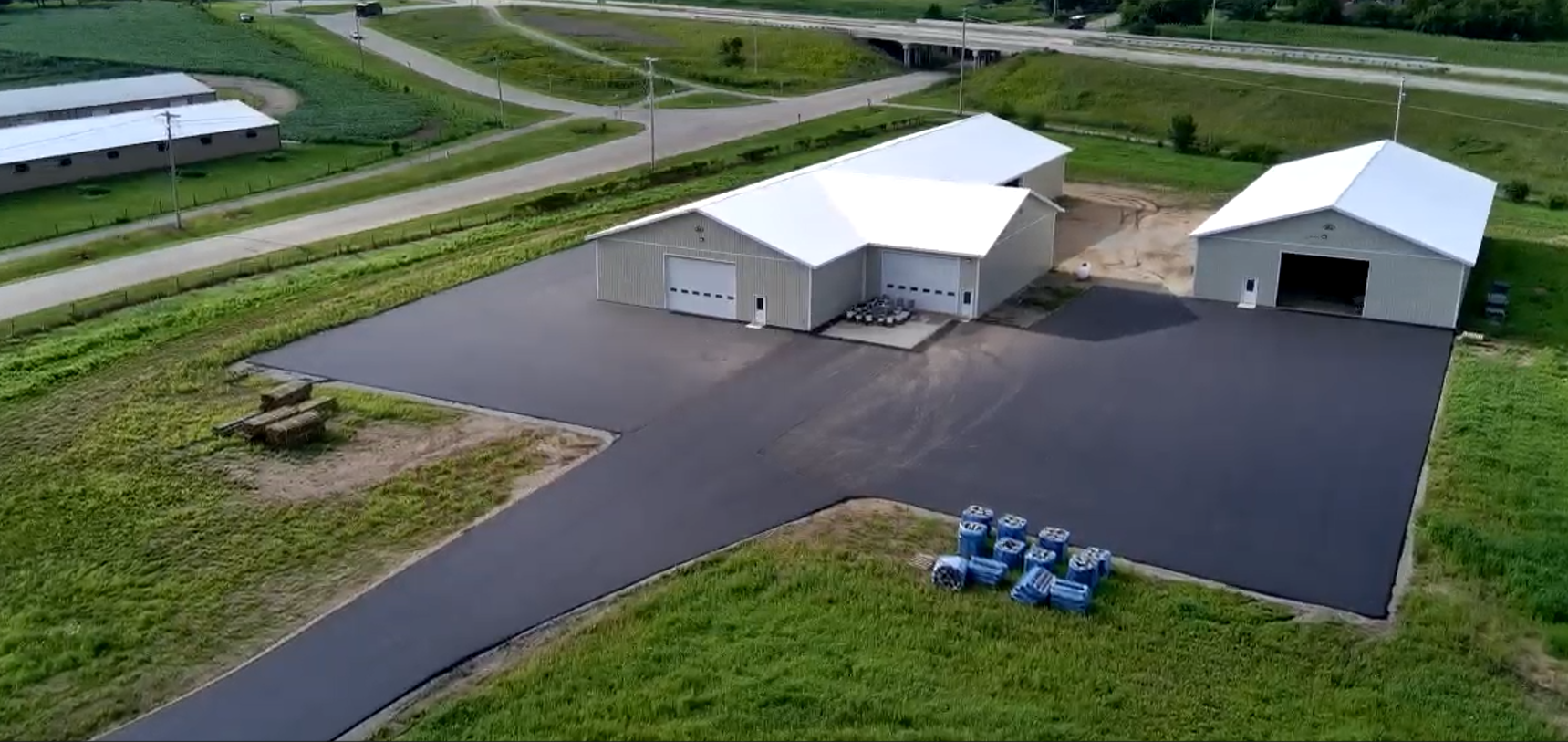
As part of our ongoing efforts to keep the farm running smoothly, we recently completed two new structures, a machine shed and a straw shed.
These buildings, located at 2800 S. Oakhill Ave in Janesville, were constructed by DL Building of Albany, WI. They have given us the space and functionality needed to support our daily operations and keep our birds, equipment, and people working efficiently.
Two Structures, Two Purposes
The project included two main buildings:
- The Machine Shed (200’ x 60’): This structure houses tractors, implements, wagons, lawn mowers, and the crates we use to ship birds. It also provides a covered space where we can prepare shipments and strap down loads, especially when the weather doesn’t cooperate. By keeping everything organized in one place, we’re able to work more efficiently and better protect the equipment that supports our farm.
- The Straw Shed (120’ x 60’): This shed is dedicated to storing straw bales and pallets of bagged feed. Having a separate, weather-protected space ensures we always have dry materials on hand when we need them for bedding and feed management.
Adding a Wash Bay
Attached to the machine shed is a heated, self-contained wash bay (60’ x 30’). Outfitted with an industrial pressure washer and an underbody washer, it allows us to thoroughly clean trucks, trailers, and equipment year-round. Clean equipment helps prevent wear and tear, supports biosecurity, and keeps our operation running smoothly even during winter.
Preparing for Every Season
Another benefit of these buildings is their ability to provide shelter during storms. Vehicles and equipment can be brought inside during hail, snow, or other harsh conditions. To complement the new structures, we also had about 40,000 square feet of asphalt poured in July 2025. This created a large parking area that makes turning semi-trucks around much easier. The asphalt surface is also a big improvement for snow removal compared to dirt or gravel.
While these buildings may not be the most visible part of what we do, they are an important investment in keeping daily operations efficient, safe, and reliable. From providing dry storage for straw to offering a weather-proof space for preparing shipments, each piece plays a role in supporting the work we do for our customers and our birds.
 10 Reasons You’ll Love the International Pheasant Management Seminar
 Flight Pen Construction: A Step-by-Step Look
Related Posts
Shipping Chicks Safely During Cold Weather Months
Read Post
Preparing Our Barns & Pens Each Spring
Read Post
A Comparison of Hatch Data Between Two Different Genetic Types of Pheasants
Read Post
DuPont Financial Analysis Model
Read Post
Post Office Tells FedEx to Start Carrying Live Animals
Read Post
MacFarlane Pheasants is Using 4-Wheelers for Farm Upkeep
Read Post
How We Winterize at Our Milton Farm
Read Post
WI Storms and MacFarlane Pheasants
Read Post
Take Advantage of These Free Resources
As the biggest gamebird farm in the United States, we want to share our experience with you. Download our free resources below and get started.