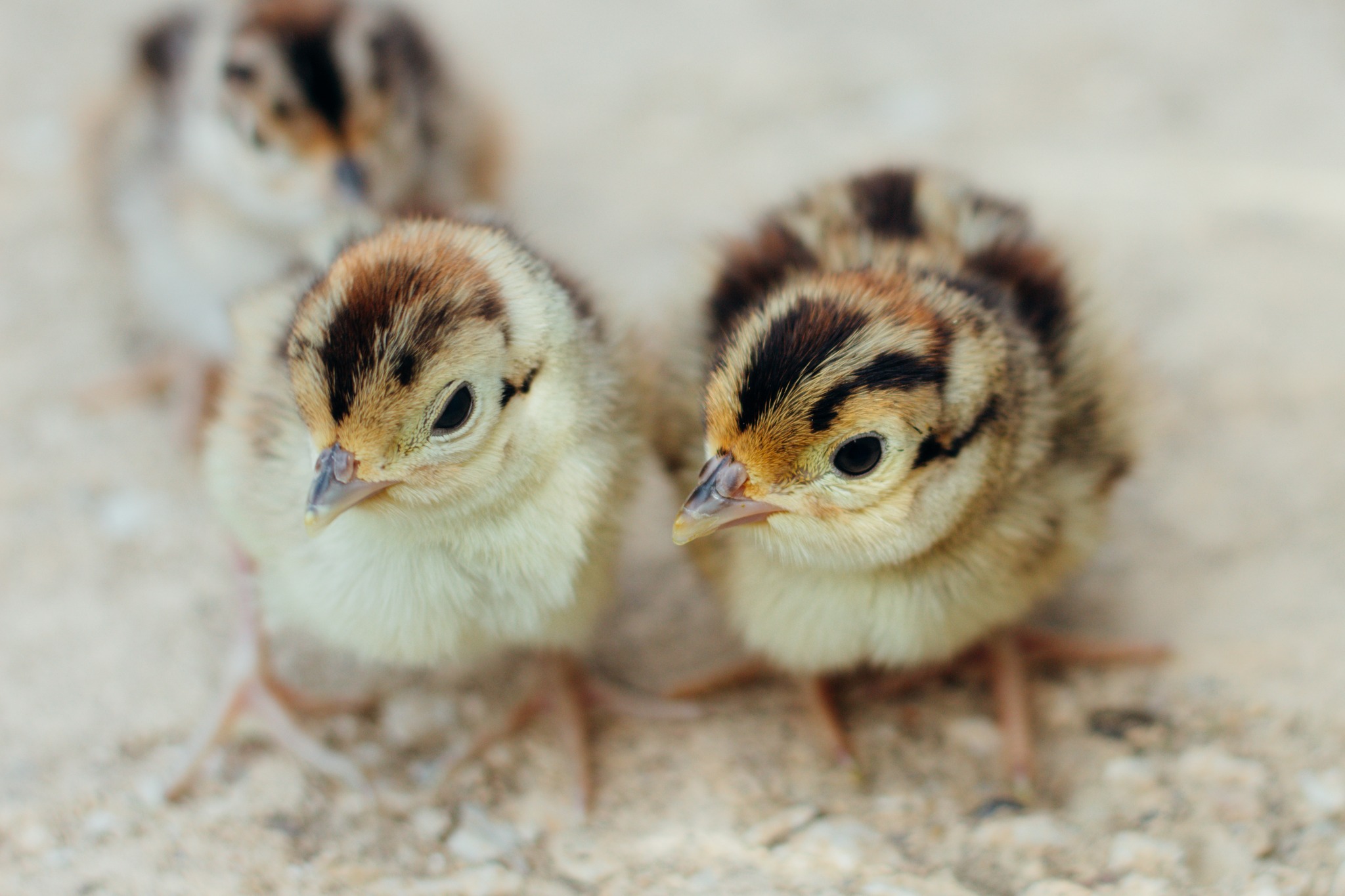
Chick Shipping Strategies
Over the 2014 hatching season 1.17 million pheasant chicks went to customers all over the U.S., Canada, and internationally. The majority of these went by U.S. postal service and air freight. [...]
Read Post
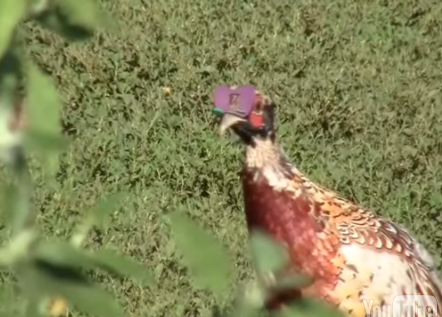
Peeping Our Pheasants
Peepers, also known as blinders, are small devices that are put on our pheasants' beaks to block their forward vision and prevent them from having a direct line of sight [...]
Read Post
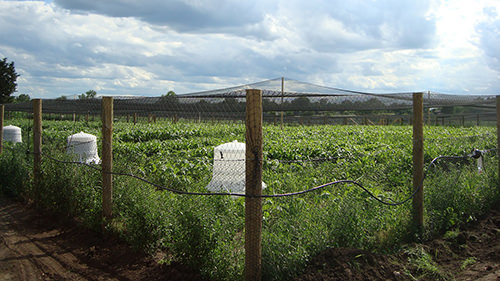
Keeping Wild Birds off of Game Farms
MacFarlane Pheasants has over 150 acres of netted covered pens. When you are dealing with this much land, you can expect to have a few furry or feathered visitors! Keeping [...]
Read Post
Disinfecting Barns
We are constantly rotating birds out of barns, and chicks into those barns to then be transitioned to the outdoors. Everything has to be cleaned, washed, dried, disinfected and then [...]
Read Post
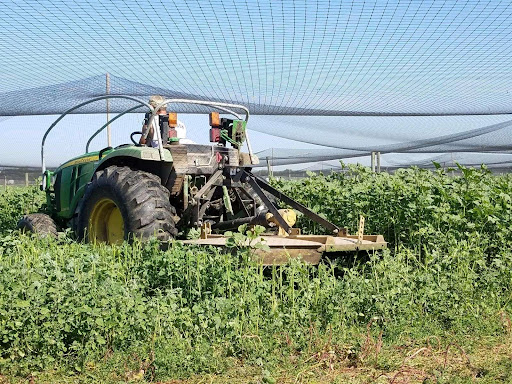
MacFarlane’s New Weed Wicker
We’re always looking for ways to do our jobs more efficiently on the pheasant farm and maintain the quality of the environment for our birds. It’s not that we shy [...]
Read Post
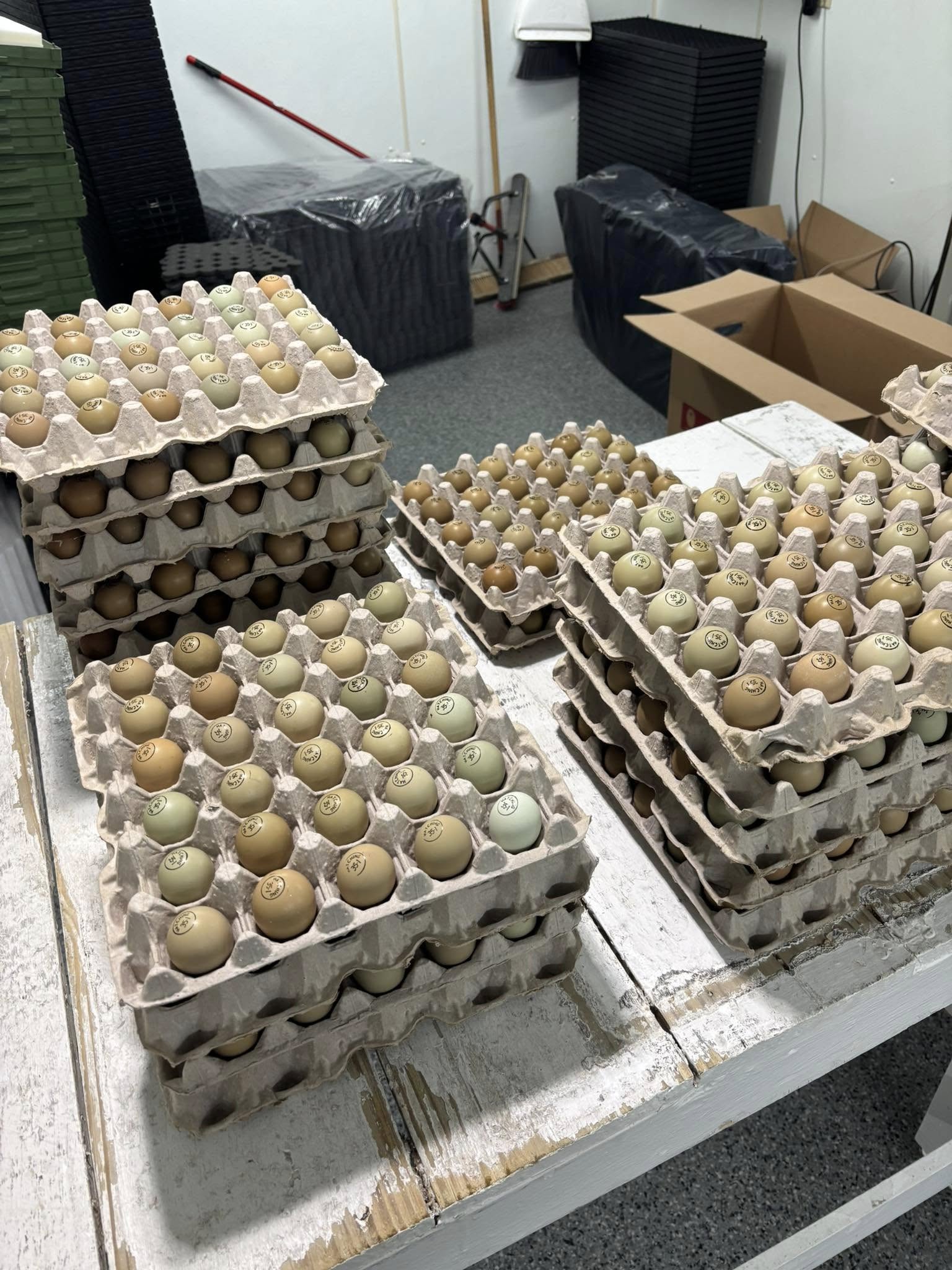
International Pheasant Chicks
We’ve got a month or two left of our international shipping window for chicks and eggs. Space has to be booked with the airlines three to four weeks in advance [...]
Read Post
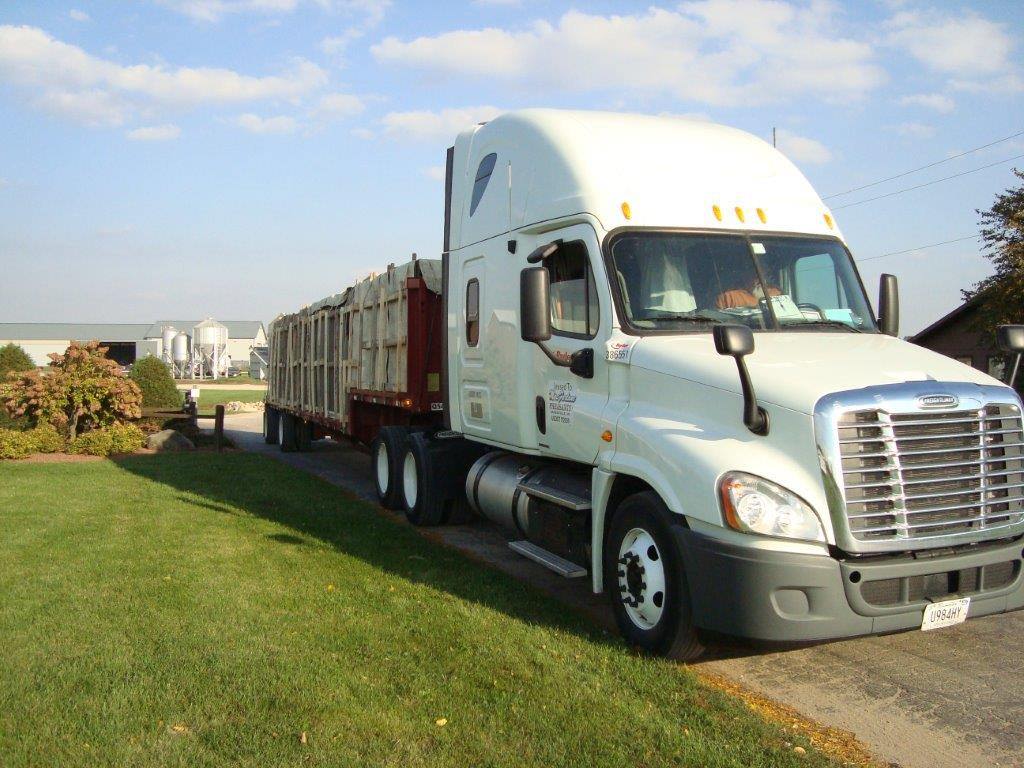
Transporting Pheasants
Trucking gamebirds around the country is a balancing act. To get healthy birds across hundreds and hundreds of miles requires attention to detail, as well as attention to weather and [...]
Read Post
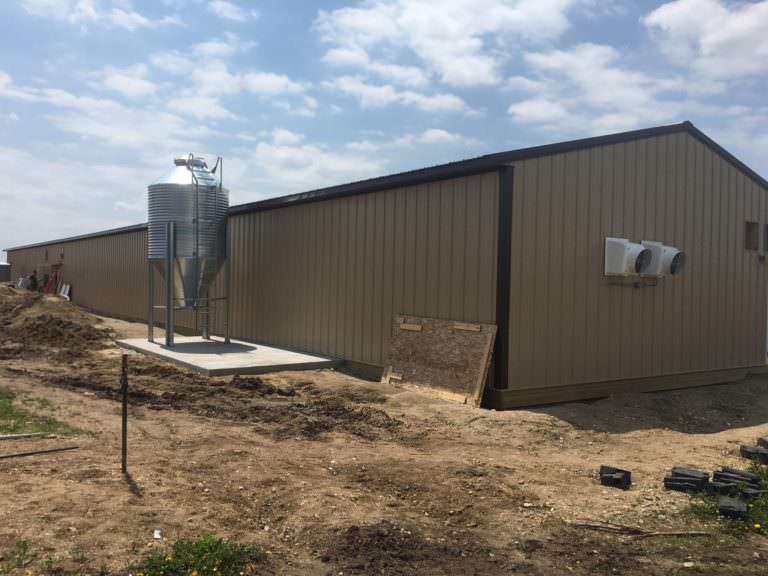
Air Flow in Barns
Air movement in the barns plays an important role in keeping gamebirds healthy. When the temperature starts to change in the spring and the fall, we have to adjust so [...]
Read Post
Raising Pheasants Without Peepers
A select group of our customers want pheasants that have been raised without peepers. The birds are flightier, and western U.S. hunters love how wild they act. There are some [...]
Read Post
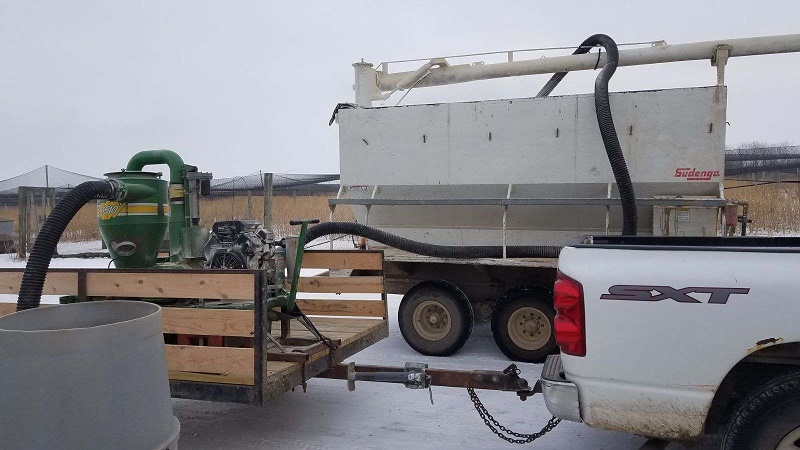
Cleaning Out Barns After Pheasants
After the last bird is out of the barns, we have to clean. It’s important because it makes sure bacteria doesn’t spring up. Here’s how we do it. Once the [...]
Read Post
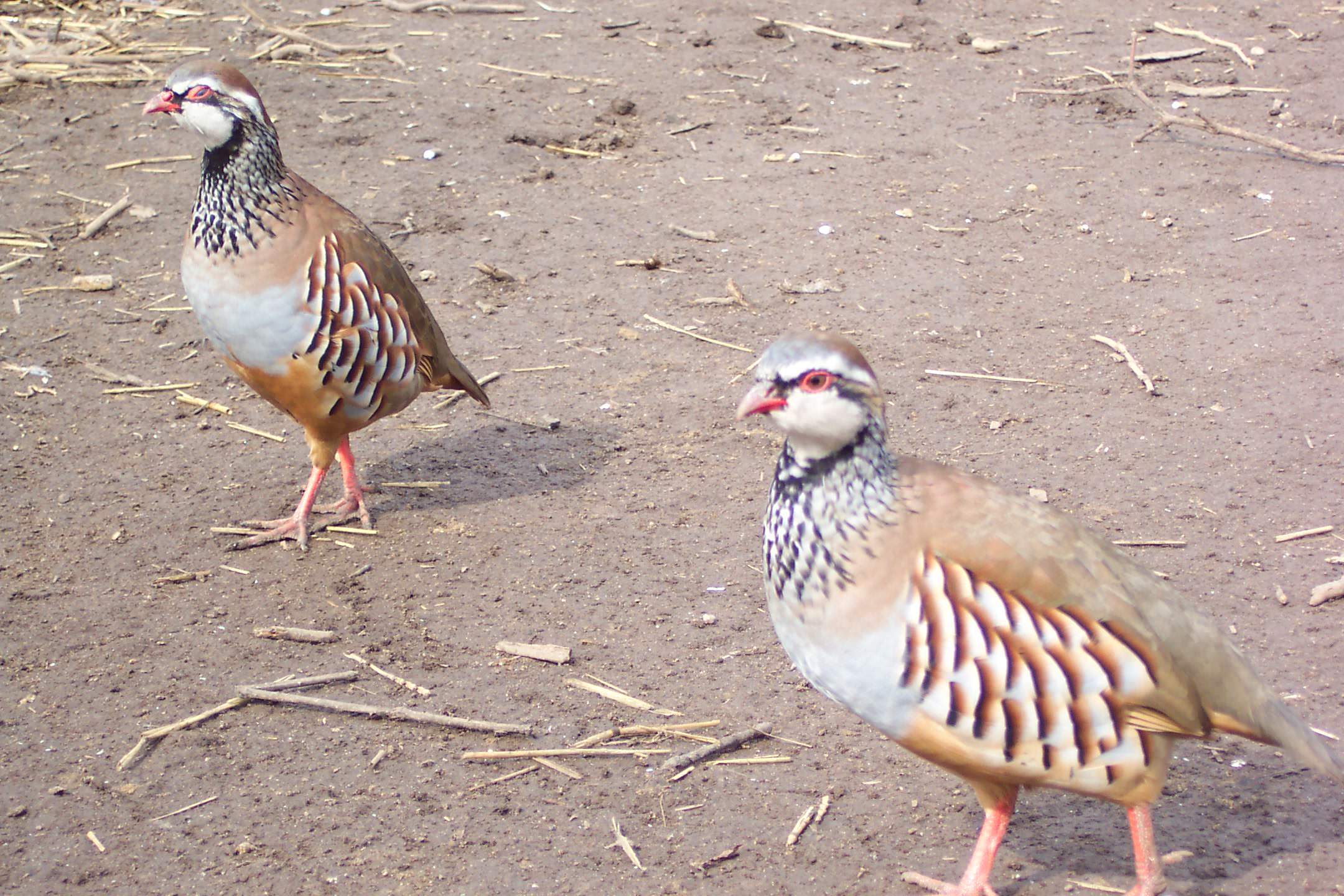
The Secrets of Raising French Redleg Partridges
Last year, Brian Klein and Fairah Ramsey took over the MacFarlane Pheasants French Redleg partridge brooding program. Notoriously finicky, something—or a lot of somethings—had to change about how we had [...]
Read Post
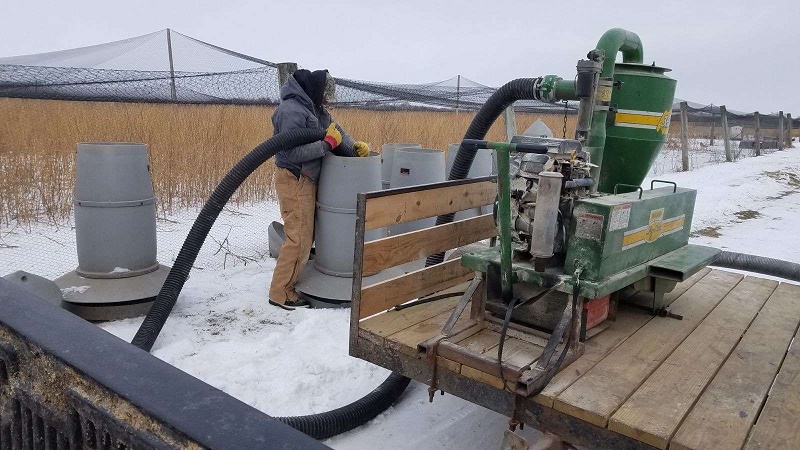
The Feed Vacuum
When it comes to building a better mousetrap, MacFarlane Pheasants is still looking, just like we’re always searching for ways to make our job easier. That’s the reason behind the [...]
Read Post
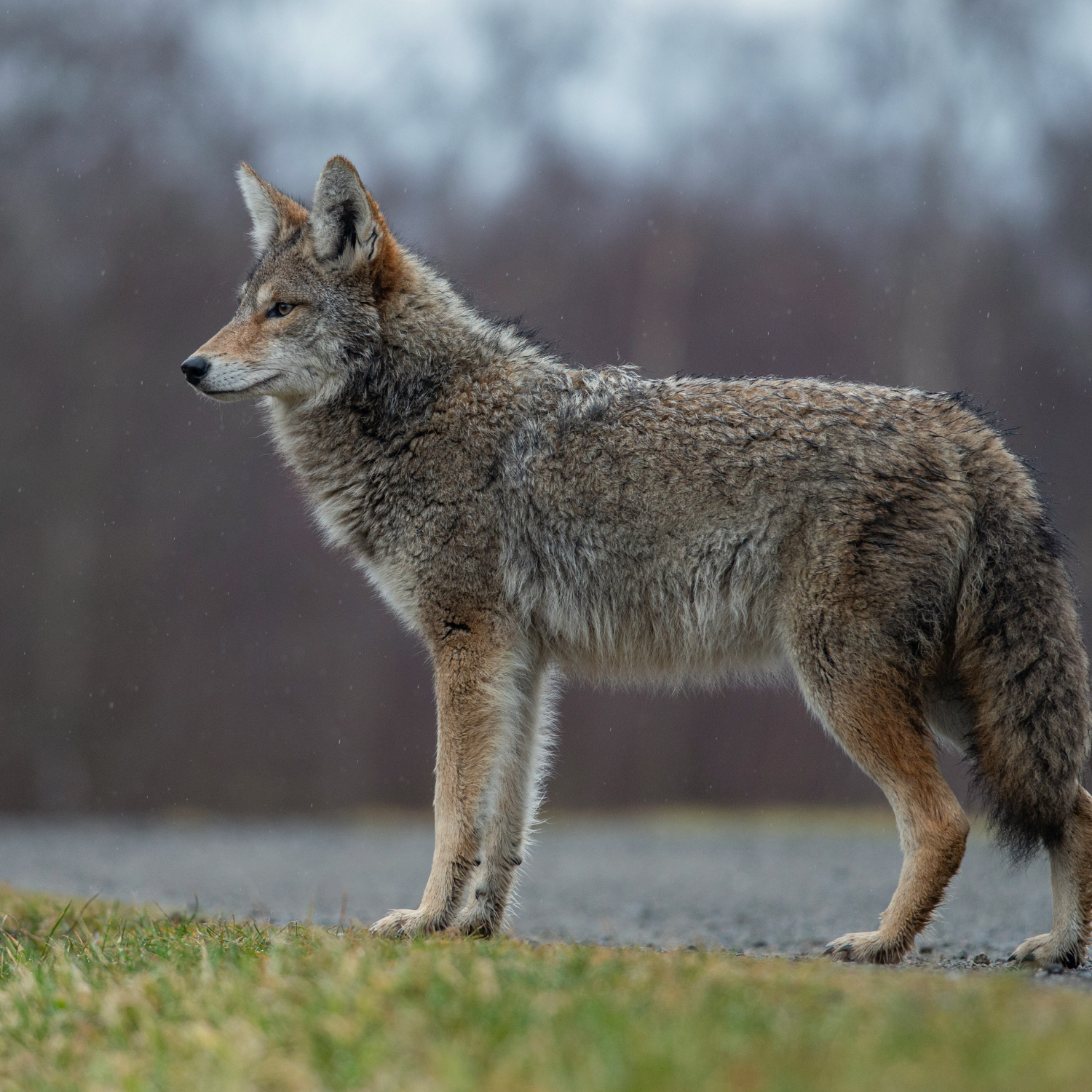
A Pheasant Farm’s Most Wanted List
When you’re running the largest pheasant farm in the U.S., everybody wants a piece—including some of nature’s most wily predators. At MacFarlane Pheasants, raising pheasants also includes protecting them from [...]
Read Post
Our Tips For Increasing Egg Production
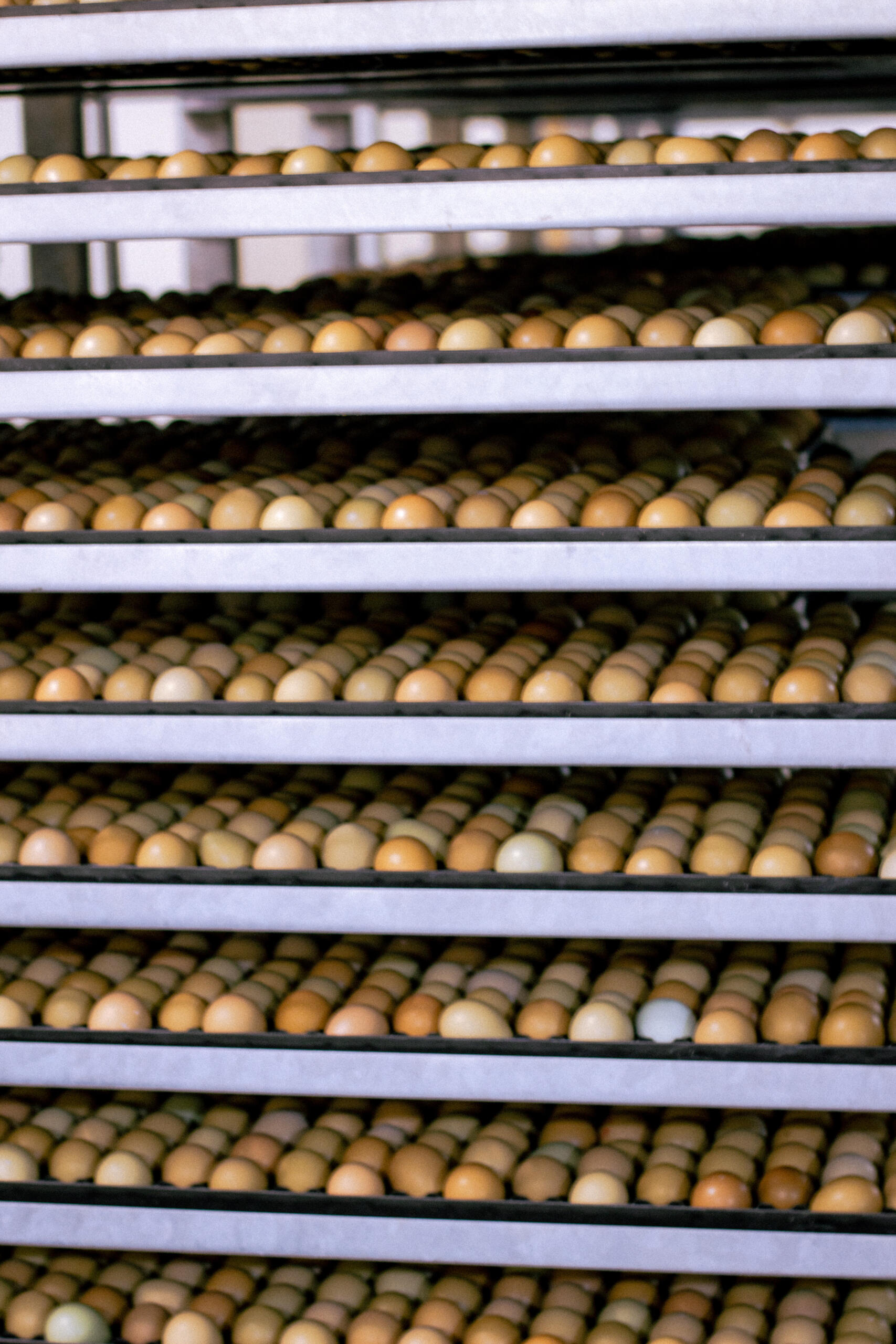
The fact that egg production begins in spring is not a coincidence. This instinctive process is in response to the longer daylight hours. As a farm that hatches more than [...]
Read Post
Moving on Up: Transitioning Juvenile Pheasants to the Great Outdoors
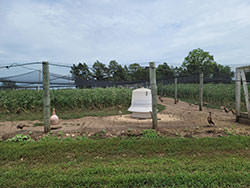
After three weeks in the “A” room and four weeks in the “B” room, the former MacFarlane Pheasant chicks are now juveniles and ready to be transferred to outdoor pens. [...]
Read Post
Importance Of A Rat Control Program
Let’s be honest, the only rat we want to ever want to see on a farm is named Templeton and is friends with a pig named Wilbur. Beyond that, the [...]
Read Post
Moving Birds Outside
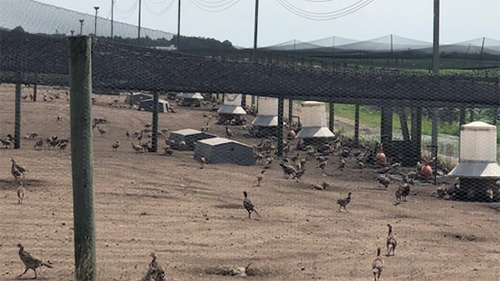
We’ve talked recently about the huts we use to keep our birds outside as well as how we transition birds in the barns, so let’s talk about moving birds from [...]
Read Post

Our Visit to a Chinese Pheasant Farm
Our March seminar was attended by two representatives from the Shanghai Hongyan Pheasant Farm. One of the two attendees, Miss Yuan then invited us to visit their farm in China. [...]
Read Post
Thieves in the Night
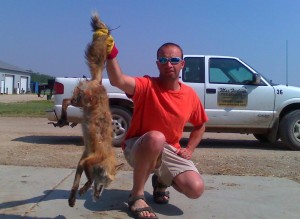
Back in May we experienced an unprecedented event in my tenure here, a break-in to our flight pens. Something was getting into our pens and randomly killing young pheasants. The [...]
Read Post
The Benefits of Contracting Feed
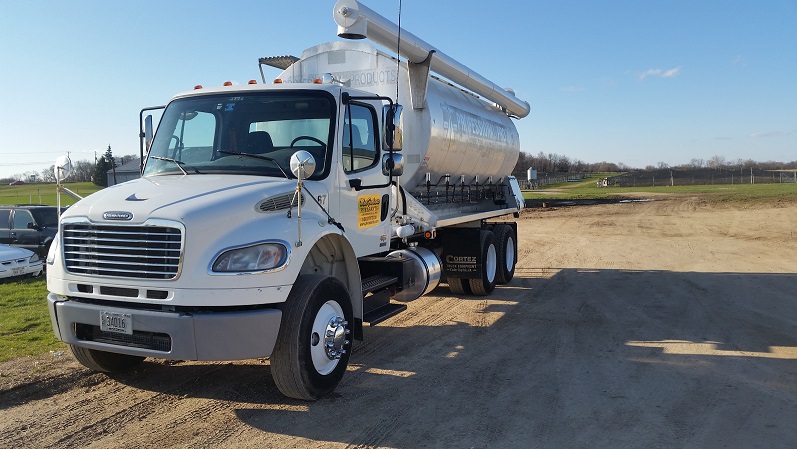
The main ingredients in feed are corn and soybean meal, thus the price of feed is directly related to the commodity markets. Higher markets mean higher feed prices. Lower markets translate into [...]
Read Post