Our Tips For Increasing Egg Production
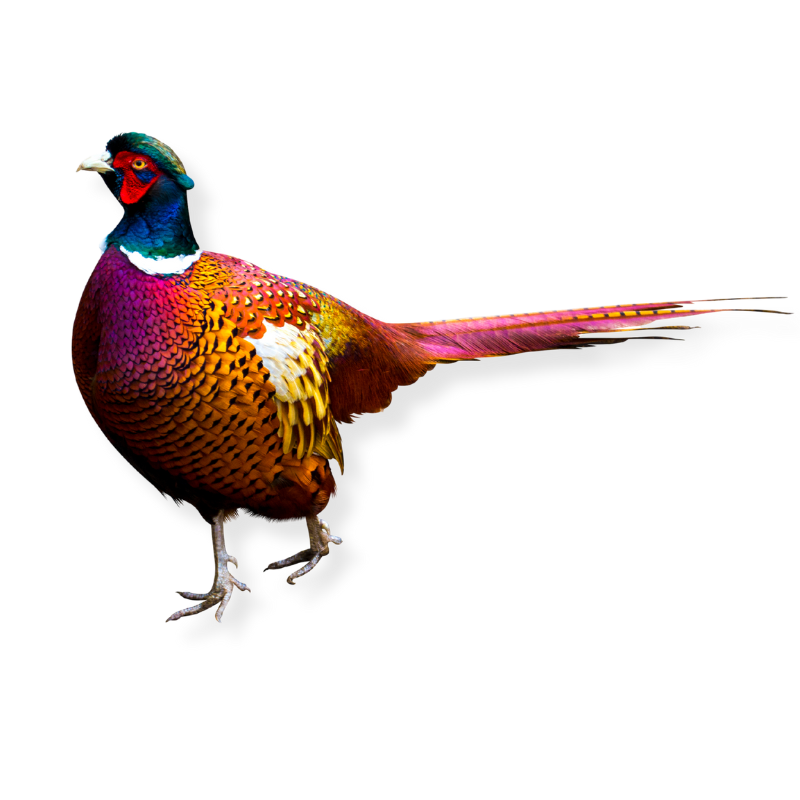
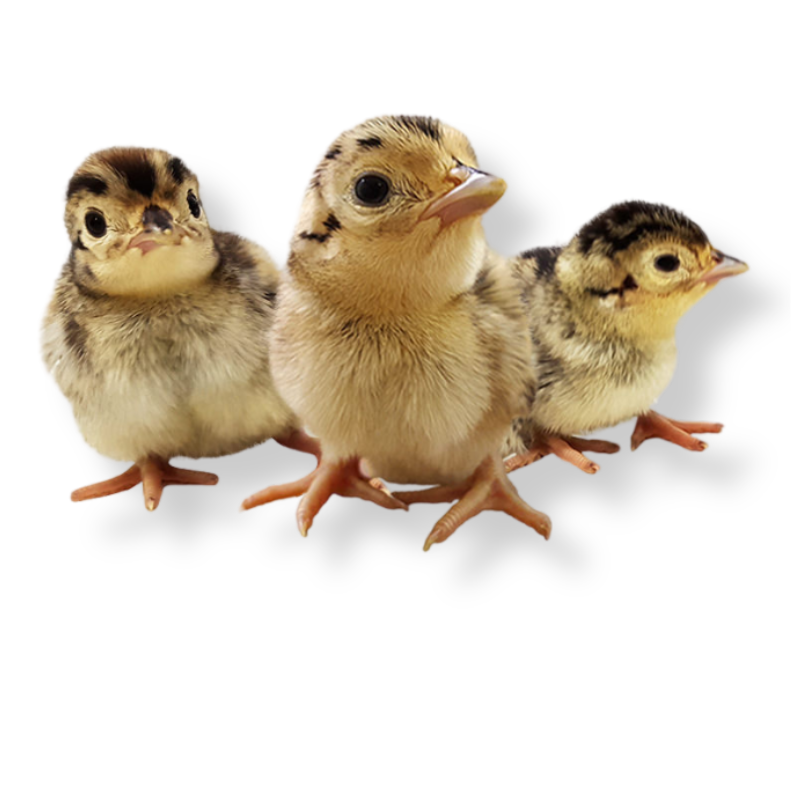
The fact that egg production begins in spring is not a coincidence. This instinctive process is in response to the longer daylight hours. As a farm that hatches more than 1.5 million chicks, we have put an enormous amount of time and energy into finding successful ways to increase egg production. We would like to share some of these with you.
For starters, in recognizing our pheasants’ production response to daylight, we began to imitate this process. We put our hens and cocks on specialized lighting programs that gradually increase hours of “daylight” beginning during the winter months, and this enables us to produce eggs as early as February.
For our outdoor pens, we simulate extended daylight hours using floodlights. This delivers our March eggs. For the rest of the pens we stick with the natural light process, and they begin producing in April. This gives us the numbers to help prep for peak season.
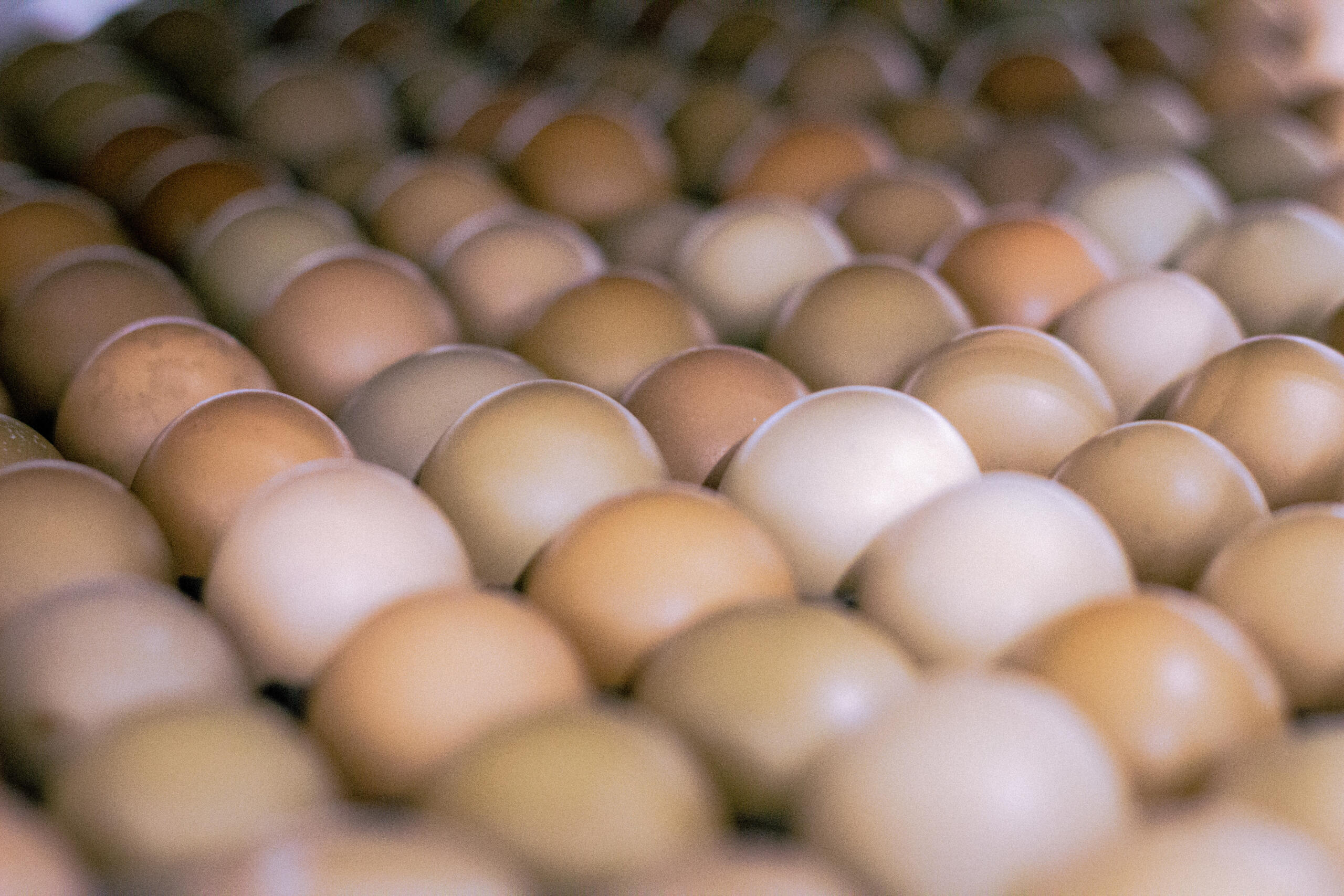
Not only are the numbers in egg production important, but producing high quality eggs is equally as important. We have found that a consistent water temperature while cleaning and sanitizing decreases potential health issues, while helping to increase the egg quality. Eggs that are cracked, have calcium deposits, or have an issue with size, are removed and disposed of while they are setting. Therefore, we try to recognize these as early as possible.
By following these protocols, we are able to adjust our flock numbers appropriately to coincide with production estimates. Monitoring these numbers closely ensures that we will have appropriate egg production during the peak season. We are careful to not only produce an adequate number of hatching eggs, but we also do not want to overproduce. It is also very important from a business standpoint that we are maximizing our space to obtain the highest yield, and having this system set in place, we are able to obtain accurate estimates.
Related Posts
Shipping Chicks Safely During Cold Weather Months
Read Post
Preparing Our Barns & Pens Each Spring
Read Post
Incubation of Pheasant Eggs
Read Post
A Comparison of Hatch Data Between Two Different Genetic Types of Pheasants
Read Post
DuPont Financial Analysis Model
Read Post
Post Office Tells FedEx to Start Carrying Live Animals
Read Post
MacFarlane Pheasants is Using 4-Wheelers for Farm Upkeep
Read Post
How We Winterize at Our Milton Farm
Read Post
Take Advantage of These Free Resources
As the biggest gamebird farm in the United States, we want to share our experience with you. Download our free resources below and get started.