Meet The Owner
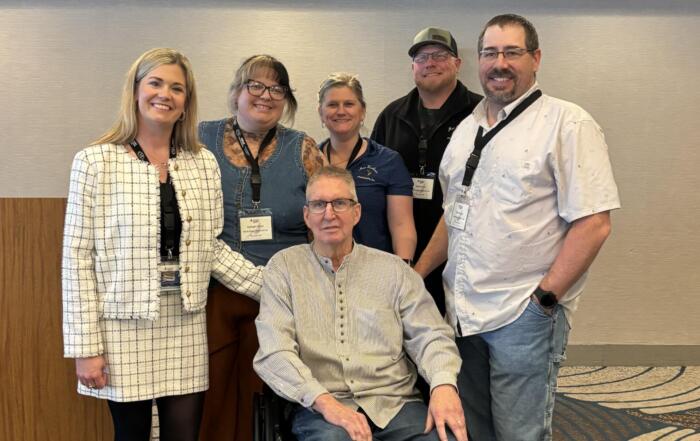
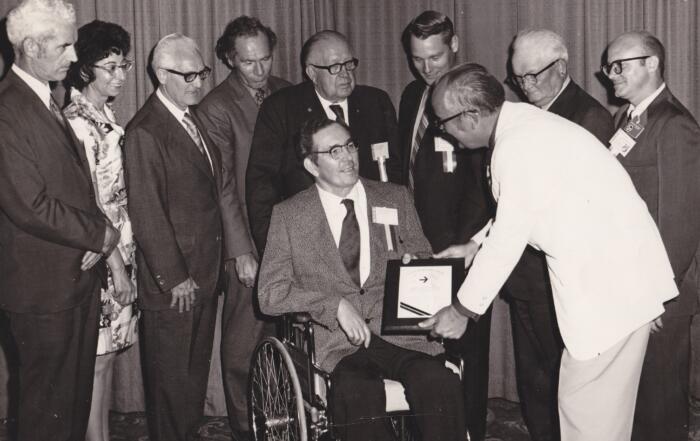
Bill MacFarlane
For more than four decades, Bill MacFarlane led MacFarlane Pheasants with a simple vision: to be the most progressive and innovative pheasant producer in the industry. Through a willingness to embrace new ideas, build lasting relationships, and invest in the future, he helped transform a regional family farm into one of the world’s leading game bird producers.
Although Bill retired from day-to-day operations in 2026, his influence continues to shape the company and the game bird industry.
 Growing Up on the Family Farm
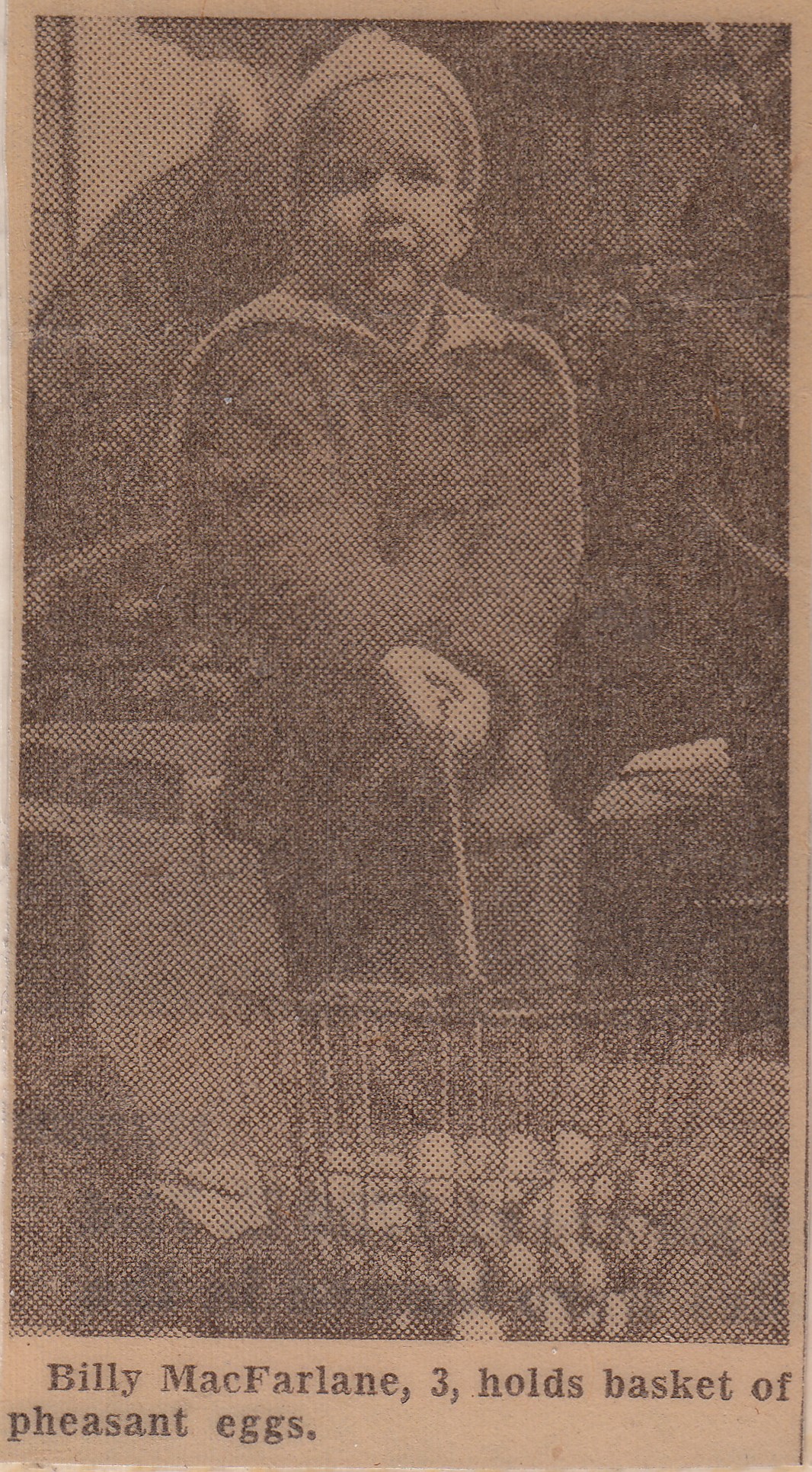
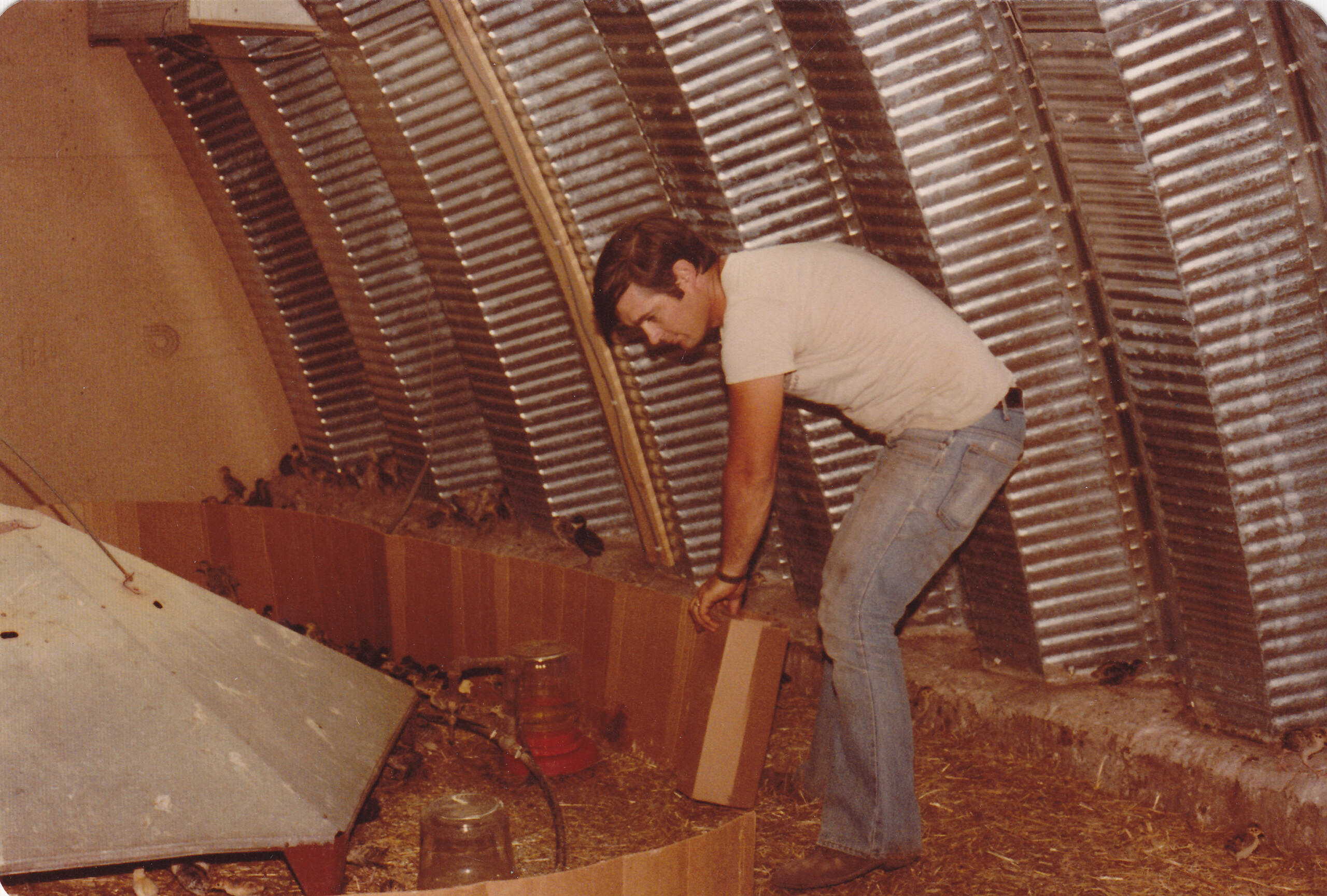
Bill’s story began at the farm itself. Bill’s father, Donald MacFarlane, was the owner of the farm. Bill spent much of his childhood helping his family and learning every aspect of the business. From checking on the birds to assisting with daily operations, the farm was a constant part of his life.
Despite those early experiences, Bill did not originally plan to make the farm his career. He attended college in Iowa before moving to Houston, Texas, where he worked various jobs and planned to attend law school.
In 1979, Donald was considering closing the business due to his declining health. While Bill was living in Texas, Donald called him and asked him to return home and take over the farm. Bill accepted, admittedly because he had a hard time telling his father no. What began as a decision to help his family became the start of a remarkable career that would span nearly 50 years.
Building a More Progressive Farm
When Bill returned to MacFarlane, the business primarily served customers within a 100 to 200-mile radius of Janesville, Wisconsin. Bill saw opportunities beyond the area.
He began traveling extensively throughout the United States and internationally, visiting farms, meeting customers, and learning from producers around the world. Those relationships became the foundation for many of the innovations that followed and helped expand MacFarlane Pheasants into a nationwide supplier.
Bill firmly believed that the best ideas come from collaboration and that sharing knowledge benefits the entire industry. That philosophy would guide the company’s growth for decades.
Innovation Through Collaboration
Throughout his career, Bill challenged the status quo by seeking out new technologies, new genetics, and new ways of operating.
In 1983, MacFarlane Pheasants partnered with local photographers and printers to produce one of the industry’s first professional full-color price lists, setting a new standard for marketing game birds.
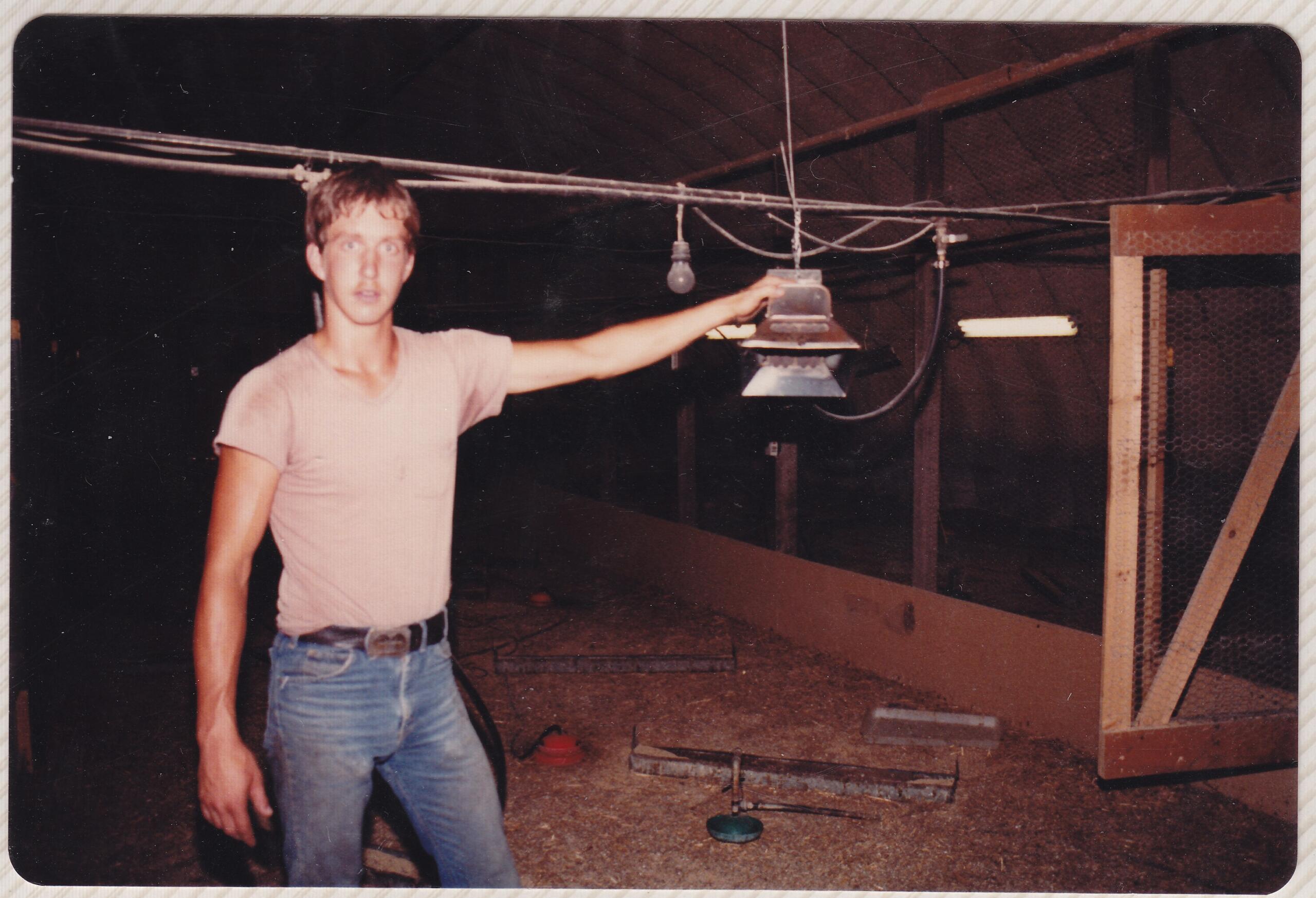
In 1987, Bill oversaw a major hatchery expansion with the installation of NatureForm incubators, increasing capacity from a few hundred thousand chicks annually to more than one million. While the expansion initially outpaced demand, it positioned the farm to capitalize on the rapid growth created by the Conservation Reserve Program and the expanding hunting preserve market.
Bill often says that innovation requires a willingness to take calculated risks, and many of those investments became defining moments in the company’s history.
Investing in the Day-Old Chick Business
One of Bill’s greatest contributions was his long-term investment in growing the day-old chick business.
As demand increased across North America, MacFarlane Pheasants expanded breeder flocks, increased hatchery capacity, improved transportation logistics, and built a reputation for quality chicks delivered nationwide.
The company also embraced technology early. In 1994, Bill worked with a local internet provider to secure Pheasant.com, making MacFarlane Pheasants one of the first game bird farms with an online presence. What started as a simple webpage evolved into an important resource for customers and an online store years before it became common practice.
Today, MacFarlane Pheasants continues to supply hundreds of thousands of day-old chicks each year to hunting preserves, conservation organizations, dog trainers, and farms throughout the United States.

Expanding Genetics and Introducing New Species
Bill believed continuous improvement started with genetics.
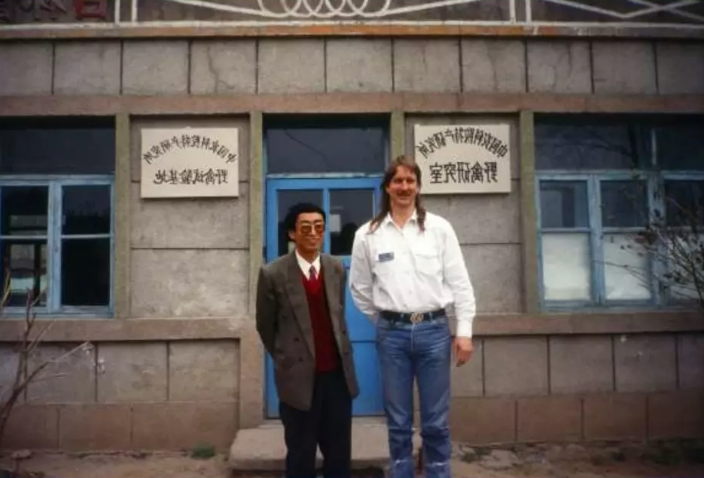
In 1988, after three years of collaboration with the Wisconsin Department of Agriculture, he traveled to Jilin Province, China, to collect 1,200 Manchurian Ringneck pheasant eggs. After successful importation and testing, MacFarlane Pheasants introduced the Manchurian Cross, which quickly became one of the farm’s most popular products.
Today, MacFarlane Pheasants maintains the only pure flock of Manchurian pheasants in the United States, preserving genetics that have become an important part of the industry.
Learn more about the history of our Manchurian pheasants.
Bill also helped expand the farm’s offerings by introducing Hungarian Partridges and Red-Legged Partridges through international partnerships and ongoing collaboration with producers and government agencies.
Growing the White Bird Business

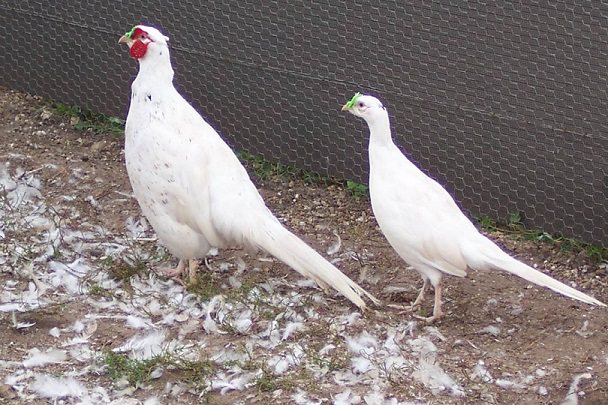
When Bill returned to the farm, MacFarlane Pheasants sold approximately 3,000 dressed white birds annually.
Building on genetics research developed through collaboration with Texas A&M University and guidance from geneticist Dr. Nick Anthony, Bill dramatically expanded the white bird program. Selective breeding improved growth rates from birds reaching four pounds in twenty weeks to averaging 3.7 pounds in just twelve weeks.
By 1998, the farm was producing approximately 200,000 dressed white birds annually.
Always looking for new opportunities, Bill launch the company’s pet food product line in 2019, creating an additional market for white bird products and further diversifying the business.
After decades of success, MacFarlane Pheasants sold the white bird meat division in 2024, allowing the company to refocus its resources and continue expanding its chick and mature bird operations.
Creating an Industry Tradition
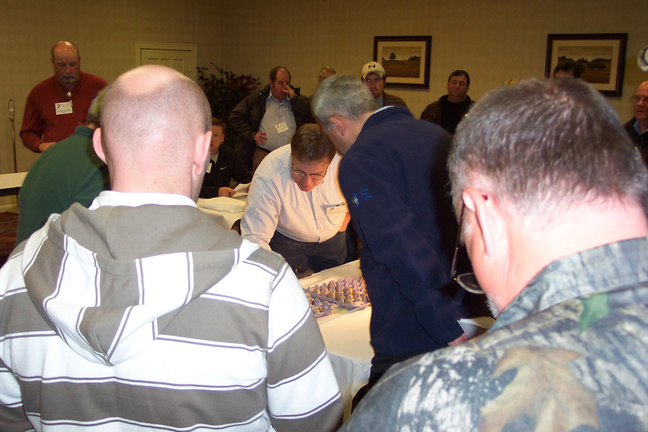
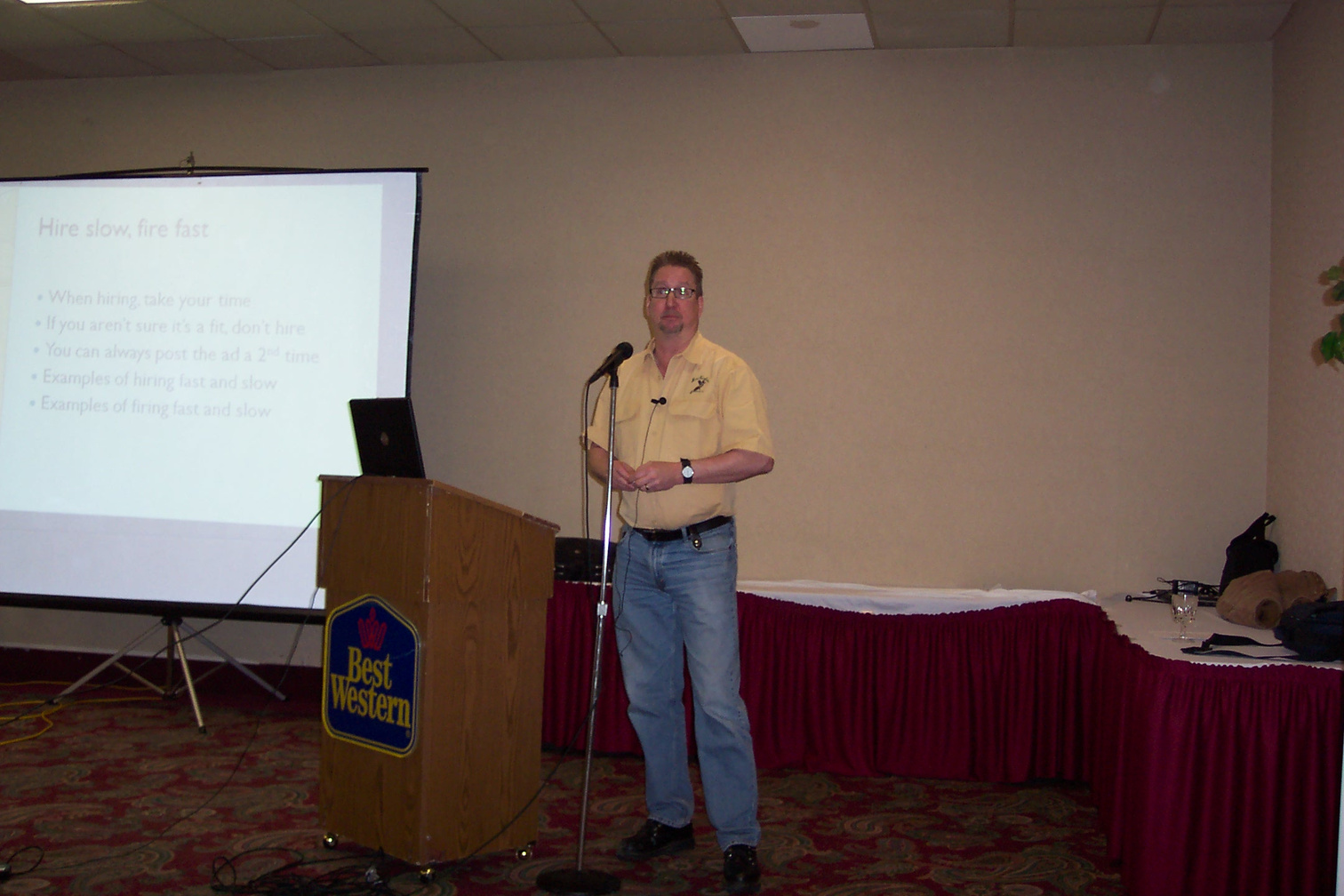
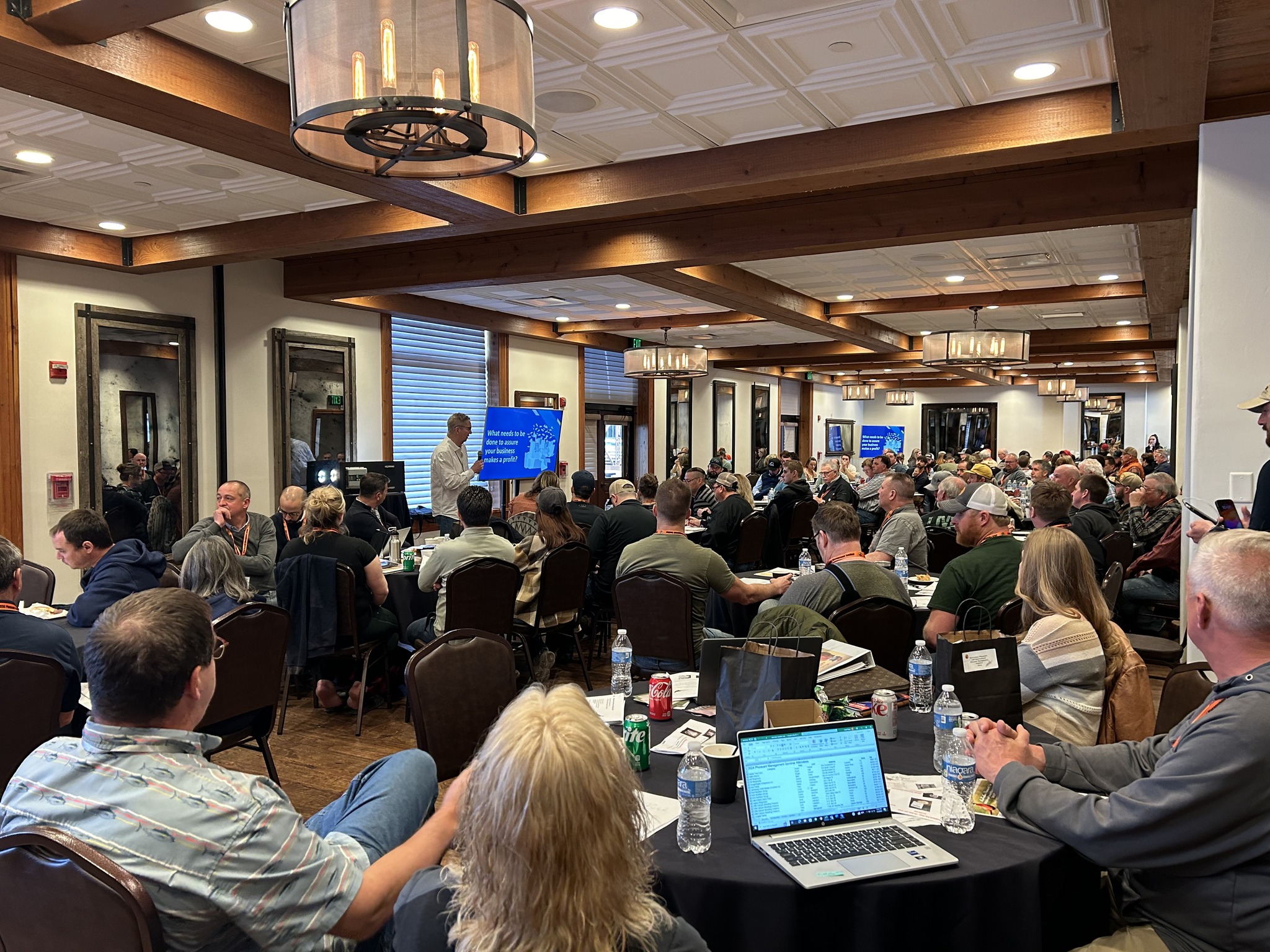
In 1998, Bill started the International Pheasant Management Seminar.
What began as a small gathering evolved into one of the industry’s premier educational events, bringing together producers, researchers, veterinarians, suppliers, and game bird professionals from around the world.
The seminar created an environment where producers openly shared ideas, discussed challenges, and learned from one another. Many lifelong friendships and business relationships have been built through these events, reinforcing Bill’s belief that the industry is strongest when people work together.
A Legacy of Innovation Through Collaboration
At his final International Pheasant Management Seminar in 2026, Bill reflected on nearly a century of history through a presentation titled Innovation Through Collaboration.
The presentation highlighted a theme that has defined both his leadership and the company’s success: every major milestone was built through partnerships, shared knowledge, and a willingness to learn from others.
From importing new genetics and working alongside universities to building relationships with producers across Europe and North America, collaboration has always been at the heart of MacFarlane Pheasants.
Continuing the Legacy
Bill retired from MacFarlane Pheasants in 2026 after nearly five decades of leadership, leaving behind a company that is stronger, more innovative, and better connected than ever before.
His vision of becoming the most progressive and innovative pheasant producer continues to guide the business today. The relationships he built, the ideas he championed, and the culture of collaboration he fostered remain part of the foundation of MacFarlane Pheasants.
Although retired from daily operations, Bill continues to serve on the Board of Directors, supporting the leadership team and helping guide the future of the family business he dedicated his career to building.
His legacy can be seen not only in the millions of birds raised over the years, but also in the generations of producers, customers, and industry partners who continue to learn from one another and move the game bird industry forward together.