Releasing Pheasants on Your Property: How to Help Them Stay
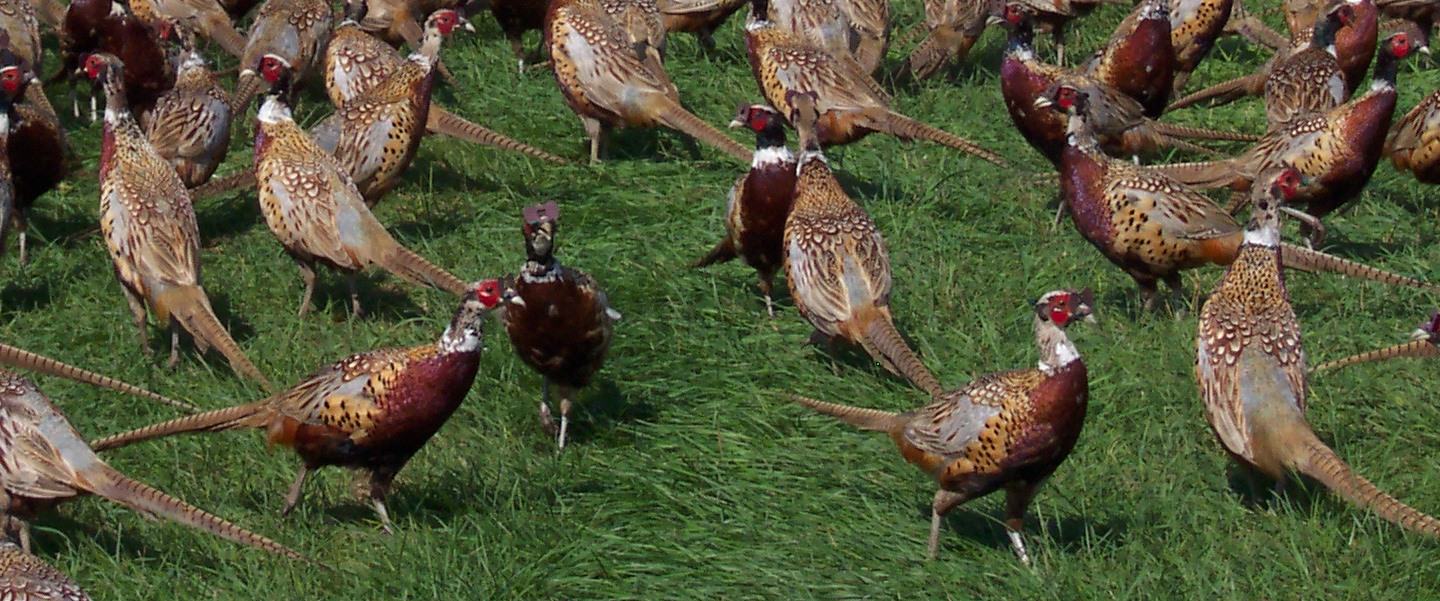
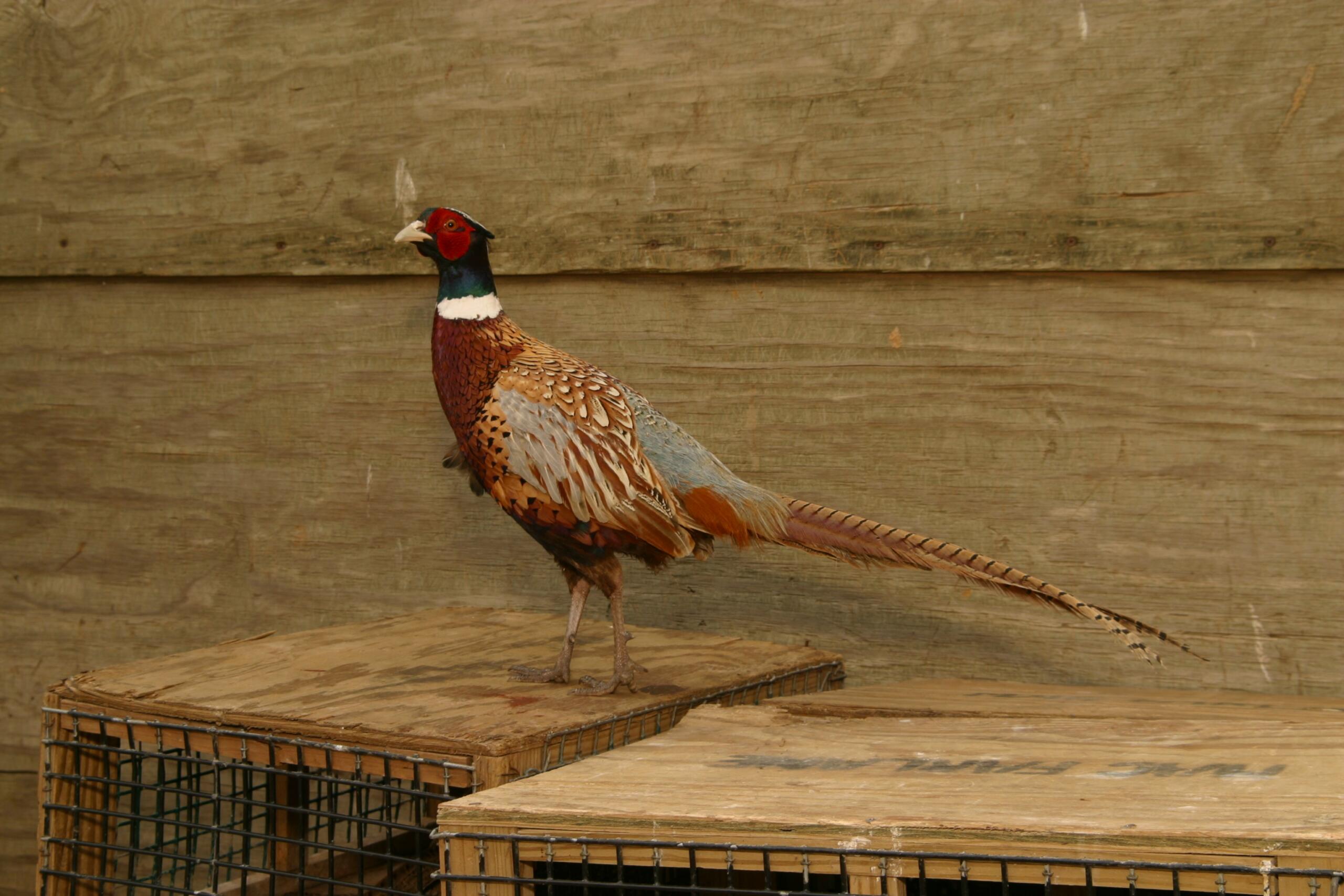
Releasing pheasants on your property can be a rewarding way to introduce birds to suitable habitat and potentially establish a population in the area. However, simply releasing pheasants doesn’t mean they will stay.
If you’re wondering how to keep pheasants on your property after release, preparation is important. The right habitat, food sources, cover, timing, and release strategy can all affect how well pheasants adjust to their new surroundings.
At MacFarlane Pheasants, we have decades of experience raising gamebirds and helping customers prepare for their arrival. Here are some of the most important things to consider before releasing mature pheasants on your property.
Prepare Your Property Before Releasing Pheasants
Good pheasant habitat should be in place before the birds arrive.
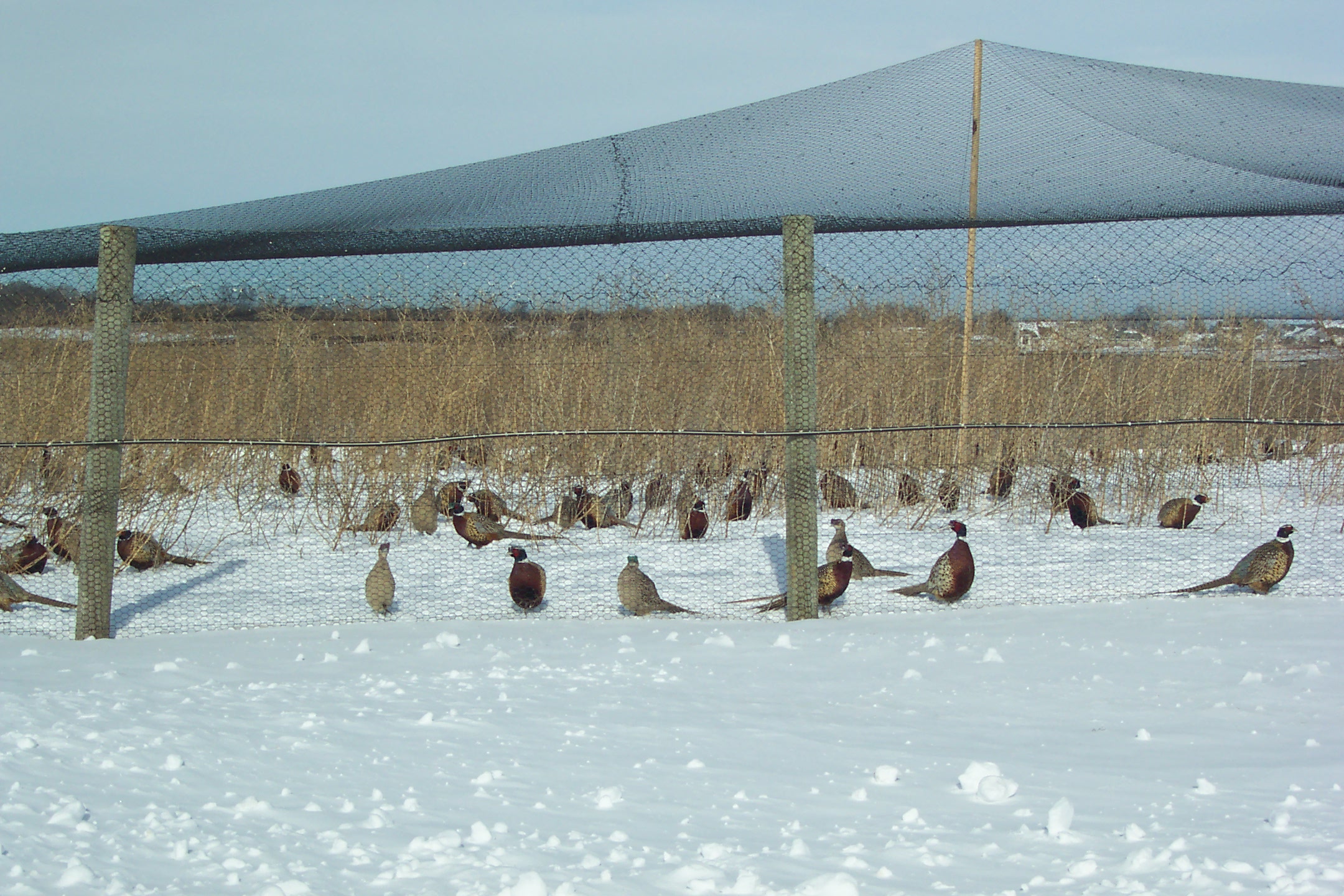
Pheasants need a combination of areas that provide food, protection, nesting opportunities, and cover from weather and predators. Suitable habitat may include:
- Grasslands with low to medium grasses
- Wetlands
- Croplands
- Brush and shrubs
- Idle fields
- Areas with good protective cover
A property with a variety of these habitats gives pheasants more opportunities to find what they need throughout the year.
If your goal is to establish a self-sustaining pheasant population, think beyond where the birds will spend their first few days. Consider whether your property can provide the resources pheasants need throughout different seasons.
How to Keep Pheasants on Your Property
One of the biggest questions we hear is how to keep pheasants on your property after releasing them.
Pheasants are free-ranging birds, so there is no way to guarantee they will remain exactly where they are released. However, creating an environment that provides what they need can encourage them to stay in the area.
Focus on providing:
- Plenty of Protective Cover: Pheasants need areas where they can escape predators and harsh weather. Brush, shrubs, tall grasses, and other vegetation can provide valuable cover. Think about cover throughout the year. An area that provides excellent protection during summer may offer much less once vegetation dies back in winter.
- Reliable Food Sources: Pheasants are more likely to use an area where they can consistently find food. Croplands and other natural food sources can help make a property more suitable for pheasants.
- Water: Access to water is another consideration when evaluating your property. Wetlands and other suitable habitat can help provide pheasants with the resources they need.
- Room to Establish Territory: Pheasants need enough suitable habitat to spread out and establish territories. The amount and quality of available habitat can make a major difference in the success of your release.
When Should You Release Pheasants?
There are two common strategies for introducing pheasants to a new property: a fall release or a spring release.
Each approach has advantages and challenges, so the right choice depends on your property and goals.
Releasing Pheasants in the Fall
Many hunt clubs and property owners introduce pheasants in late summer or early fall.
A fall release commonly includes a mixture of approximately half hens and half roosters. Releasing birds at this time gives them the fall to become familiar with the property and begin establishing territory.
However, pheasants released in the fall also face several challenges. They must deal with predators, hunting pressure, and winter weather as they adjust to living on their own.
Having adequate food and protective winter cover available becomes especially important with this strategy.
Releasing Pheasants in the Spring
Another option is releasing pheasants in late February or early March.
With a spring release, mostly hens are introduced along with a smaller number of roosters. One advantage of this approach is that the birds avoid being released before the worst part of winter.
The goal is for the pheasants to become established, breed within the coming weeks, and potentially produce a new generation of wild birds for the following fall.
Spring releases still require suitable habitat. Birds need adequate nesting areas, food, water, and protective cover to successfully establish themselves and reproduce.
Spring vs. Fall Pheasant Release
Many people choose a fall release, but there isn’t one strategy that’s right for every property.
Consider your goals when making the decision.
If you’re releasing pheasants for a hunt club or hunting property, a late summer or fall release may make the most sense.
If your primary goal is encouraging breeding and establishing a population, a spring release may be worth considering.
In either case, the quality of the habitat will play an important role in your success.
How Many Pheasants Should You Release?
There isn’t one number that works for every property.
The appropriate number of pheasants depends on factors such as the amount of suitable acreage, quality of habitat, available cover, food sources, predator pressure, and your goals for the birds.
More birds aren’t necessarily better. Your property needs to have enough suitable habitat and resources to support the pheasants you introduce.
If you’re unsure how many birds are appropriate for your property, our team is happy to discuss your plans and help you determine what may work best.
Give Pheasants Time to Adjust
After releasing pheasants on your property, give them time to become familiar with their surroundings.
The birds need to locate food, water, protective cover, and places to roost. They also need time to establish their own territories.
Remember that some movement is natural. Your goal shouldn’t necessarily be to keep every bird in one small area. Instead, focus on creating quality habitat that gives pheasants a reason to remain on or around your property.
Can You Establish a Pheasant Population on Your Property?
Establishing a self-sustaining pheasant population can be challenging, but good habitat gives the birds the best opportunity to succeed.
Before releasing pheasants, look closely at your property from the birds’ perspective. Is there adequate food? Can they find cover from predators? Are there suitable nesting areas? Will they have protection during winter?
Preparing these resources before the birds arrive is much more effective than trying to address habitat problems after release.
Plan for a Successful Pheasant Release
Whether you’re releasing pheasants on your property in the spring or fall, preparation is one of the most important parts of the process.
Start by creating quality habitat with food, water, grasslands, brush, shrubs, croplands, and protective cover. Then choose a release strategy that fits your property and long-term goals.
To learn more about our chick sales or mature pheasant sales visit our website and feel free to contact us with your questions. We take pride in your success.
 Can I Buy Pheasants to Release?
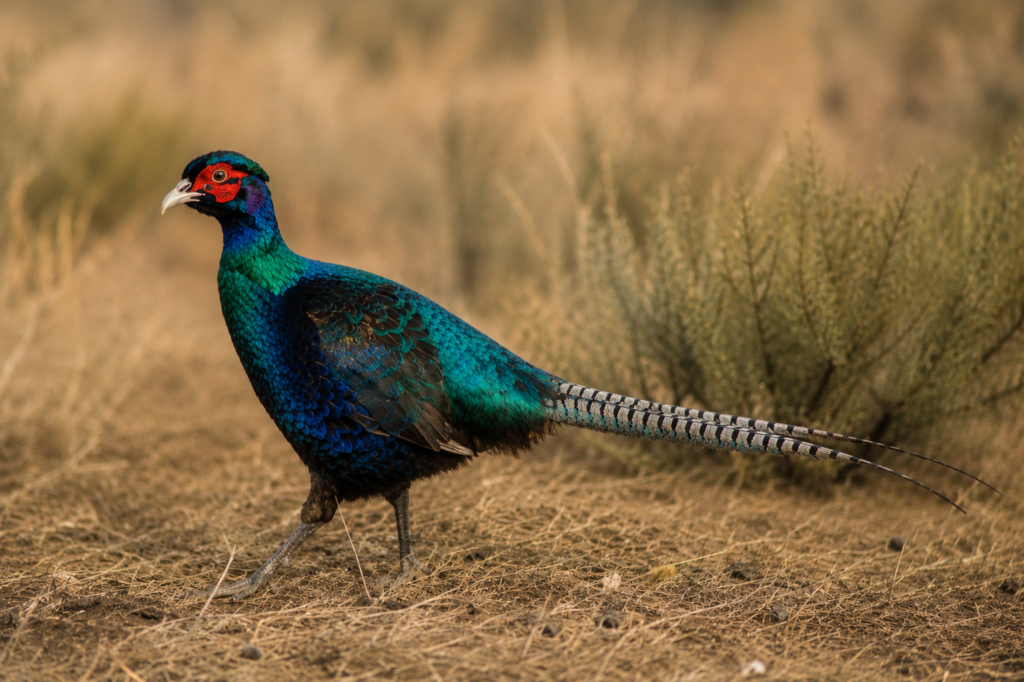 Melanistic Mutant Pheasants: A Unique Bird with Exceptional Beauty & Performance
Related Posts
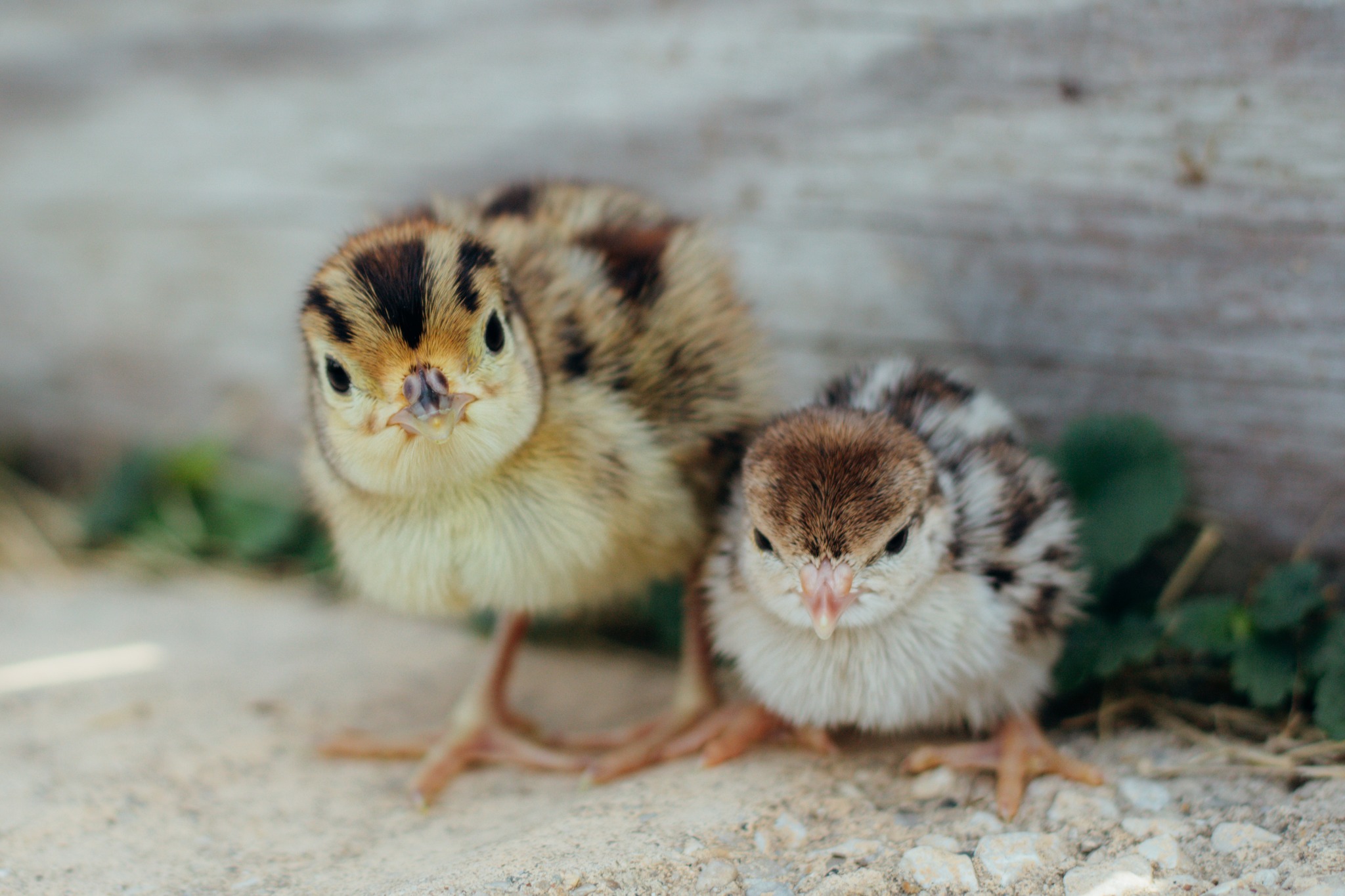
Shipping Chicks Safely During Cold Weather Months
Read Post
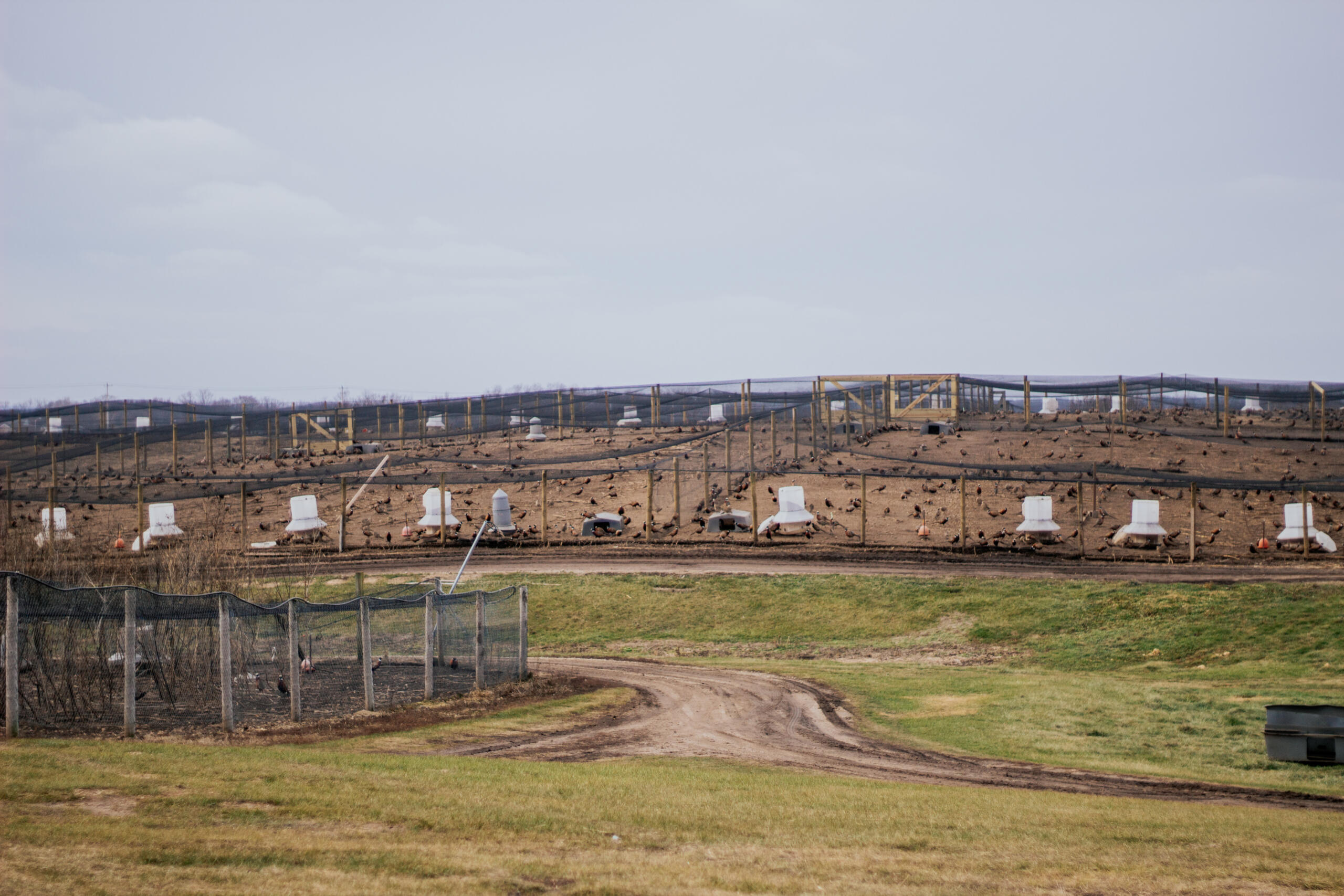
Preparing Our Barns & Pens Each Spring
Read Post
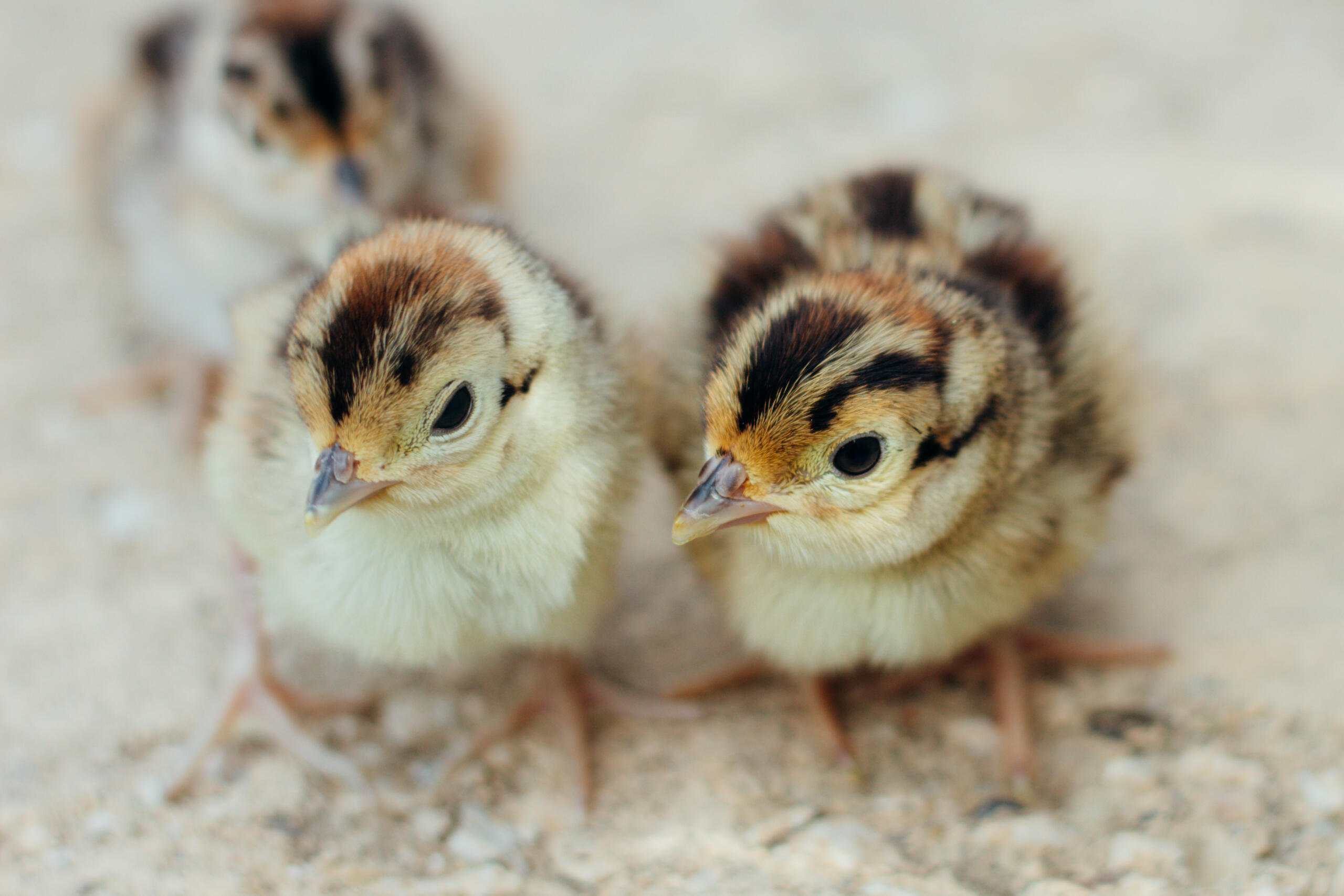
A Comparison of Hatch Data Between Two Different Genetic Types of Pheasants
Read Post
DuPont Financial Analysis Model
Read Post
Post Office Tells FedEx to Start Carrying Live Animals
Read Post
MacFarlane Pheasants is Using 4-Wheelers for Farm Upkeep
Read Post
How We Winterize at Our Milton Farm
Read Post
WI Storms and MacFarlane Pheasants
Read Post
Take Advantage of These Free Resources
As the biggest gamebird farm in the United States, we want to share our experience with you. Download our free resources below and get started.