
How Do We Manage the Cost of Feed at MacFarlane Pheasants?
We manage the price of feed at MacFarlane Pheasants in a couple of different ways. It is essential to watch the commodity markets and establish contracts when prices are as low as we think they will get for the year. Lower markets translate into lower prices. We also use our feed-semi to pick up our feed rather than having it delivered.
The commodity market for feed works like the stock market. The commodity market is where the contracts for grain (corn, soybeans, wheat, oats, etc.) are traded and sold. Higher markets mean higher prices. These markets can fluctuate and are unpredictable, so we need to lock in the costs for the entire year when the market prices for feed products are as low as we think they will get. We make informed decisions based on the following:
- Looking at crop reports to get an idea of expected yields (supply)
- Projected use in the US (demand)
- Production in foreign countries along with world supply and demand
- Watching the long-range weather forecasts
- Talking to local farmers
The commodity prices are also affected by factors such as the economy and ethanol production. We do our best to interpret the data to make the best decisions possible. The problem is we don’t know how good our decision is until further into the future. It’s a tricky, and many times, stressful decision.
Instead of relying on someone else, we have been picking up our own feed because this is another way to efficiently and cost-effectively get it to the farm. Our semi holds 24 tons of feed and we pick up one-two loads every day, Monday through Friday, at Kent Feeds in Rockford, Illinois. It might surprise you to know it takes 6000 tons of feed per year to feed our birds! The semi has eight three-ton compartments, so we could pick up eight different types of feed at one time. But typically, we pick up 1-3 distinct products each day during the week.
Everyone on the farm and our customers benefit from our good planning and having our own truck. Feed is our 2nd highest annual cost. Good decisions when contracting can keep our pheasant and other wild bird prices at the best level possible for our customers!

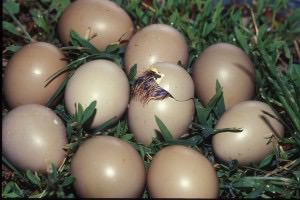 MacFarlane Pheasants’ Hatchery-Perfecting the Conditions
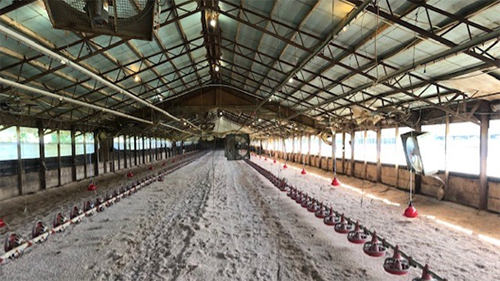 MacFarlane Pheasants, Inc. Egg Production
Related Posts
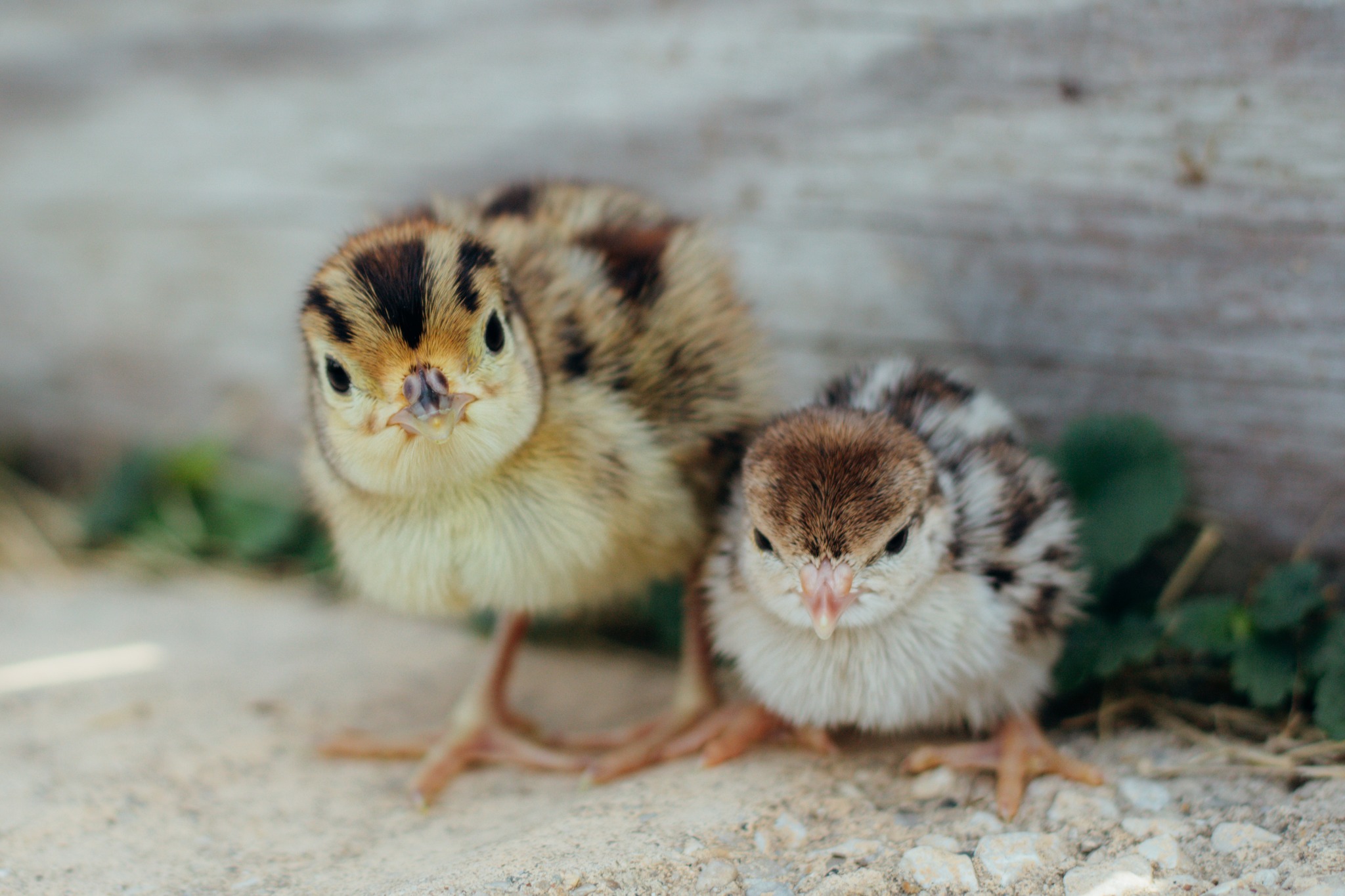
Shipping Chicks Safely During Cold Weather Months
Read Post
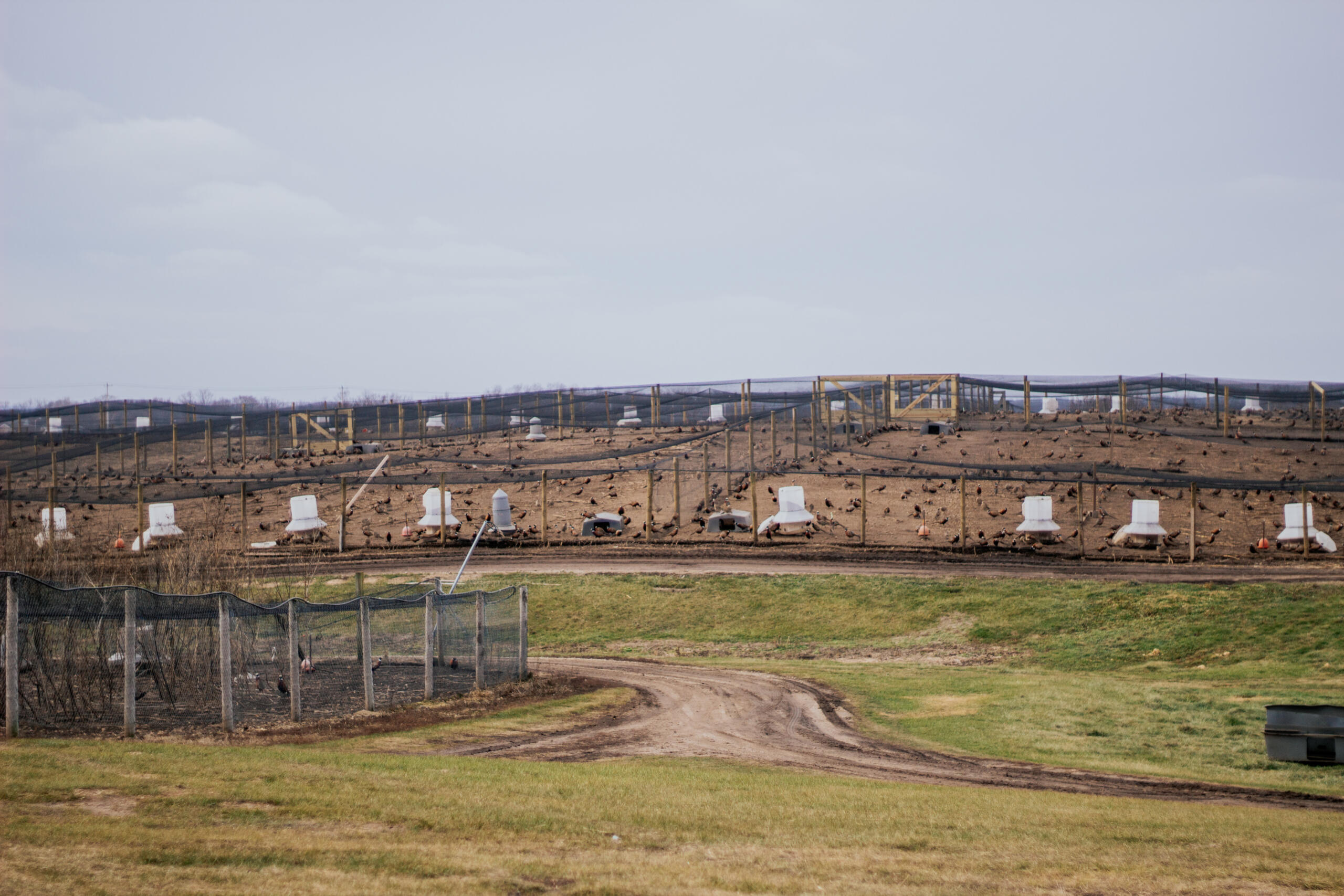
Preparing Our Barns & Pens Each Spring
Read Post
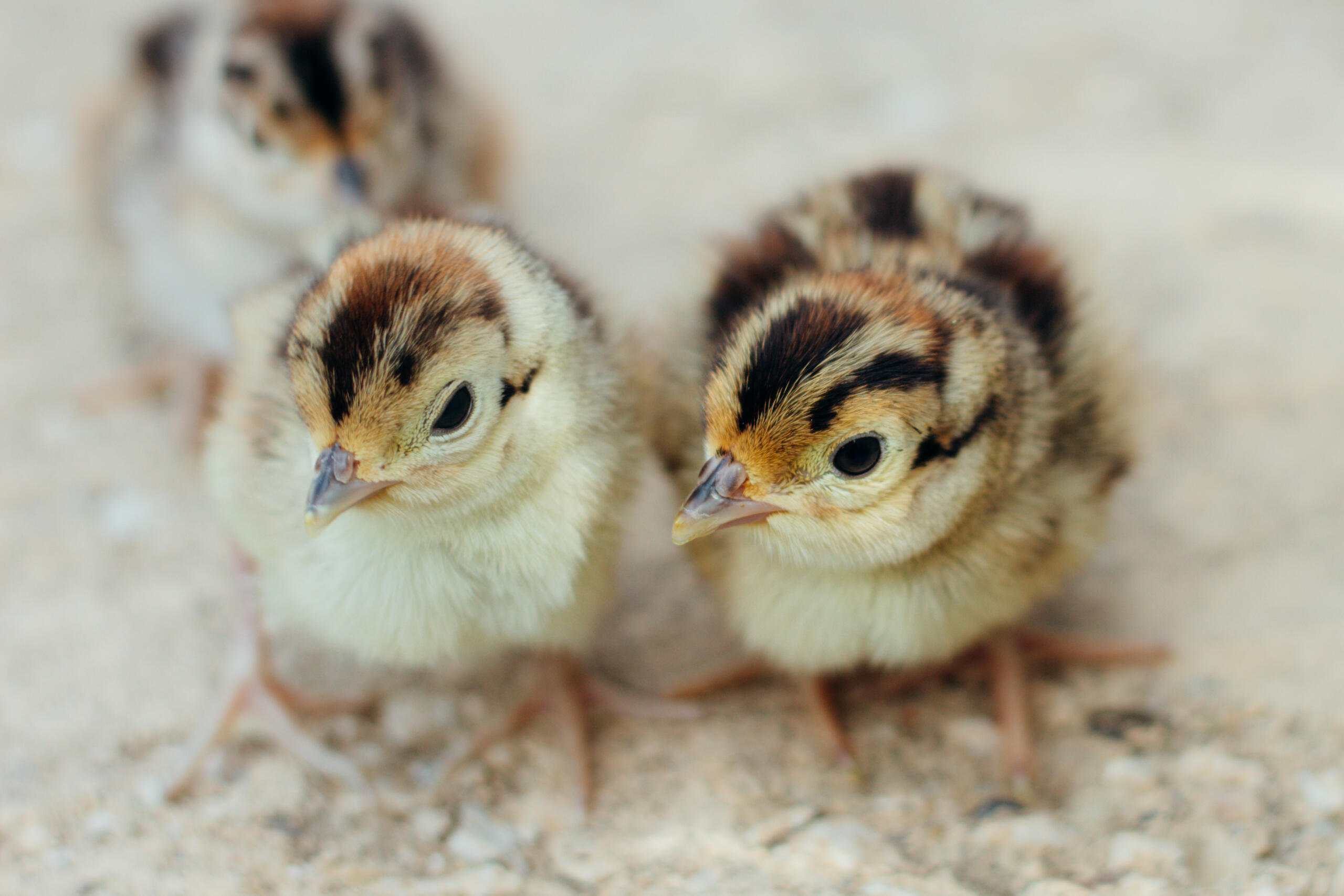
A Comparison of Hatch Data Between Two Different Genetic Types of Pheasants
Read Post
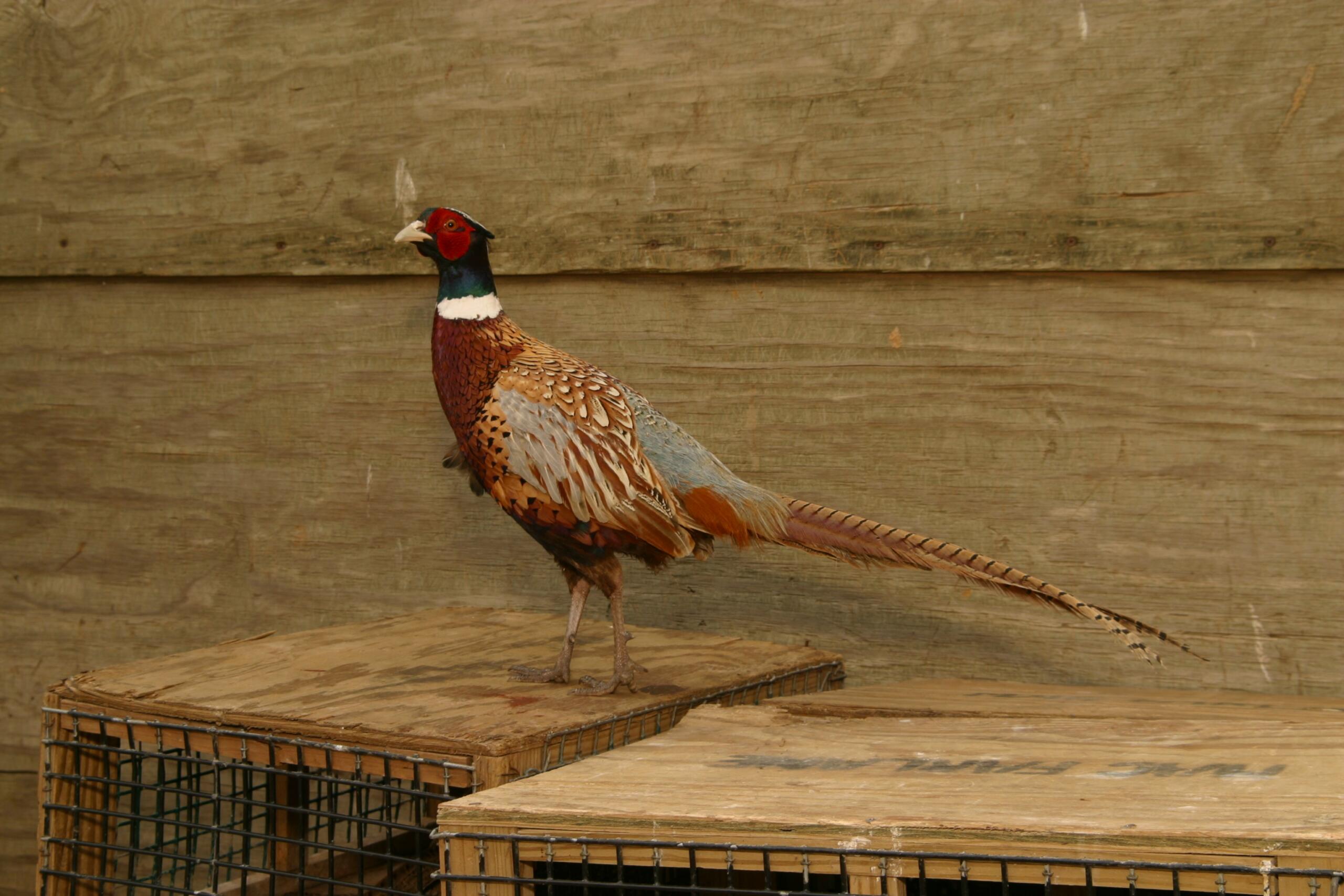
DuPont Financial Analysis Model
Read Post
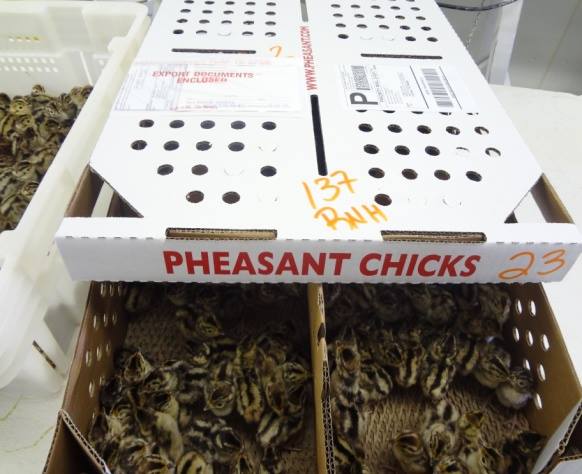
Post Office Tells FedEx to Start Carrying Live Animals
Read Post
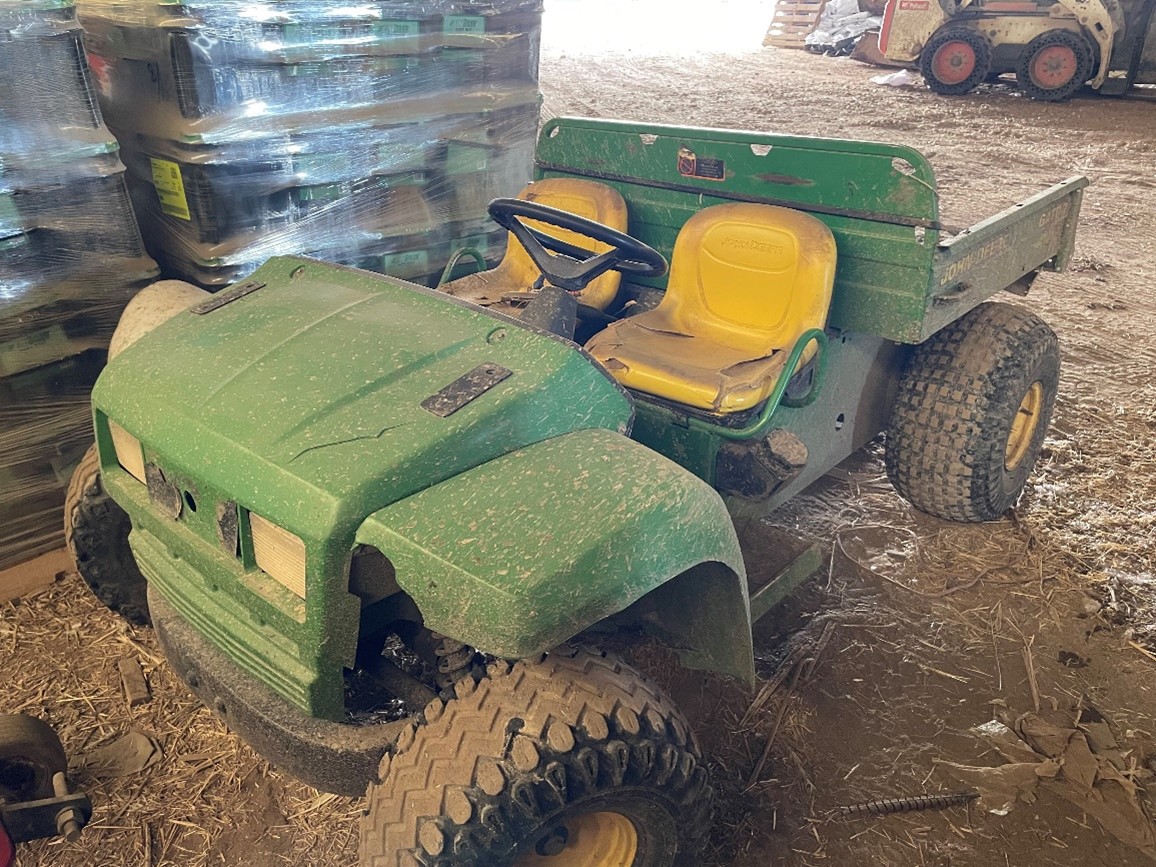
MacFarlane Pheasants is Using 4-Wheelers for Farm Upkeep
Read Post
How We Winterize at Our Milton Farm
Read Post
WI Storms and MacFarlane Pheasants
Read Post
Take Advantage of These Free Resources
As the biggest game bird farm in the United States, we want to share our experience with you. Download our free resources below and get started.