
Clean Water Lines in MacFarlane Pheasants Inc. Barns Are Critical
Water must be treated (cleaned) to prevent bacteria and algae from growing in the water lines. Both these organisms left untreated in the water lines can lead to clogged lines and sickly birds. We treat the water lines in MacFarlane Pheasants’ barns daily and flush the lines through the entire system between flocks to ensure clean water, as new birds come into the barns.
In our barns across the entire farm, we have two main cleaner types. One is a hydrogen peroxide-type cleaning chemical called CID. The other is Pro-Oxine activated chlorine solution. The important component of both cleaner types is that they are approved water line cleaners. They are always diluted to safe levels for daily use in the birds’ drinking water.
All of the water cleaners used on the farm are first diluted and then mixed into the water source using Dosatron Proportioners. The equipment evenly and accurately pumps a set amount of cleaner into every gallon of drinking water that flows into the barn.
A few of our barns, including the hen barn, have AANE mixing systems. This is a type of holding tank that allows diluted chemicals to be mixed automatically from a stock source. It is an efficient method of mixing the water and concentrated chemicals without so much hands-on work.
Here are 5 steps to setting up a water cleaning system:
1. Connect the Dosatron (or other proportioner) into the main water source with the feed connection going into the cleaner solution.
2. Flush new treated water into the barn’s water system by draining “old” water out from the opposite end of the waterline.
3. Mix stock cleaner solution per manufacturer instruction. It involves diluting concentrated chemical(s) with water.
4. Check all wear nipples/drinkers to make sure there are no air pockets and make sure water is available to all birds.
5. Mix new stock solution daily, or as needed, to keep a constant flow of cleaner going into the water. You can adjust the amount of stock solution mixed at a time to match the number of birds you have and how quickly they go through the water.
If you are starting up a water cleaning system in your barn, you should do your research and follow the manufacturer’s instructions. Consult with a veterinarian if you have questions or concerns. We hope this introduction to MacFarlane Pheasants’ water cleaning systems is helpful. We can all thank Kate Rollette, Research Manager at MacFarlane Pheasants, for sharing her expertise about how we keep our water lines safe!


 New Employee Training In The Research Department
 The Effects of Summer Weather on Wild Bird Farms
Related Posts
Shipping Chicks Safely During Cold Weather Months
Read Post
Preparing Our Barns & Pens Each Spring
Read Post
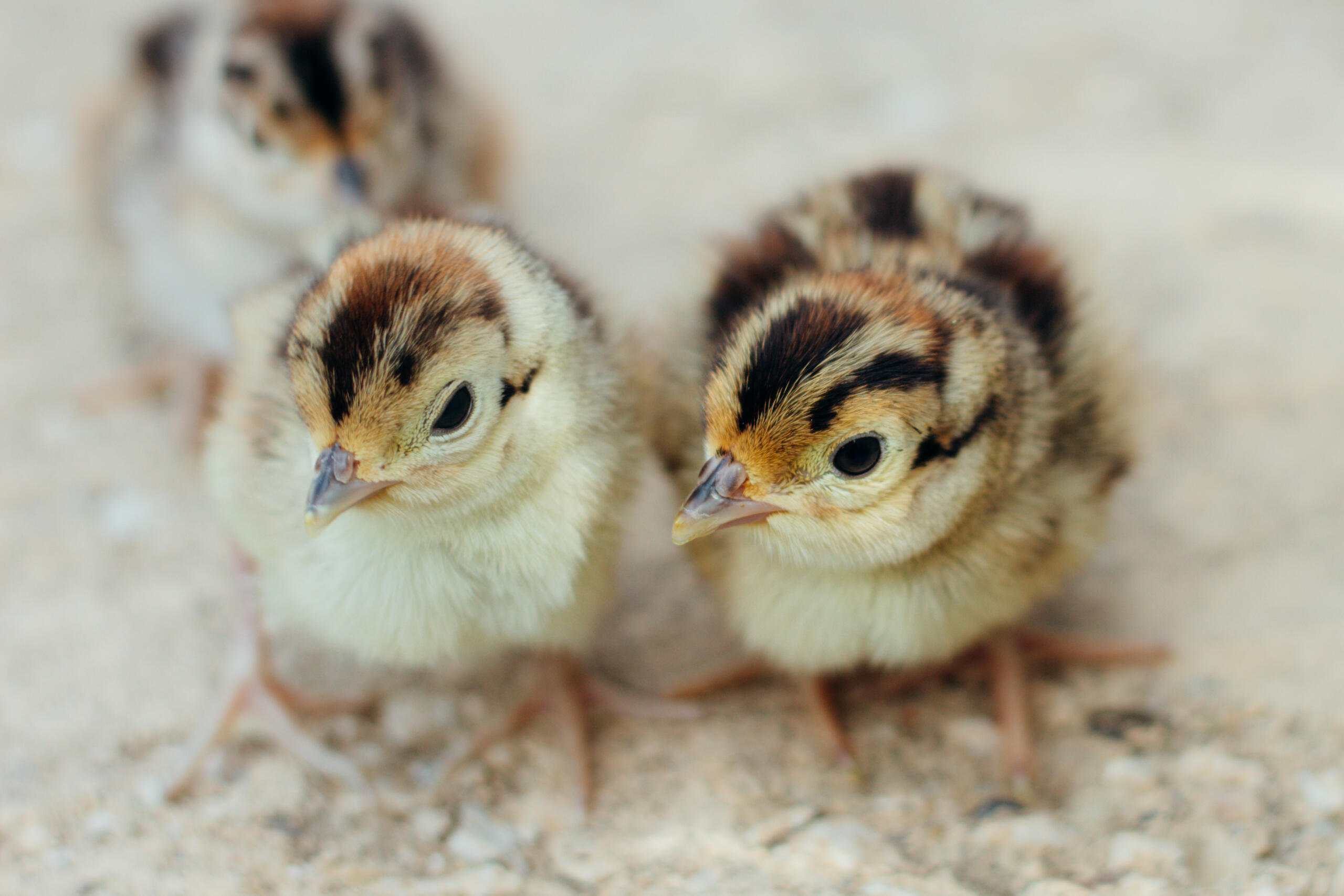
A Comparison of Hatch Data Between Two Different Genetic Types of Pheasants
Read Post
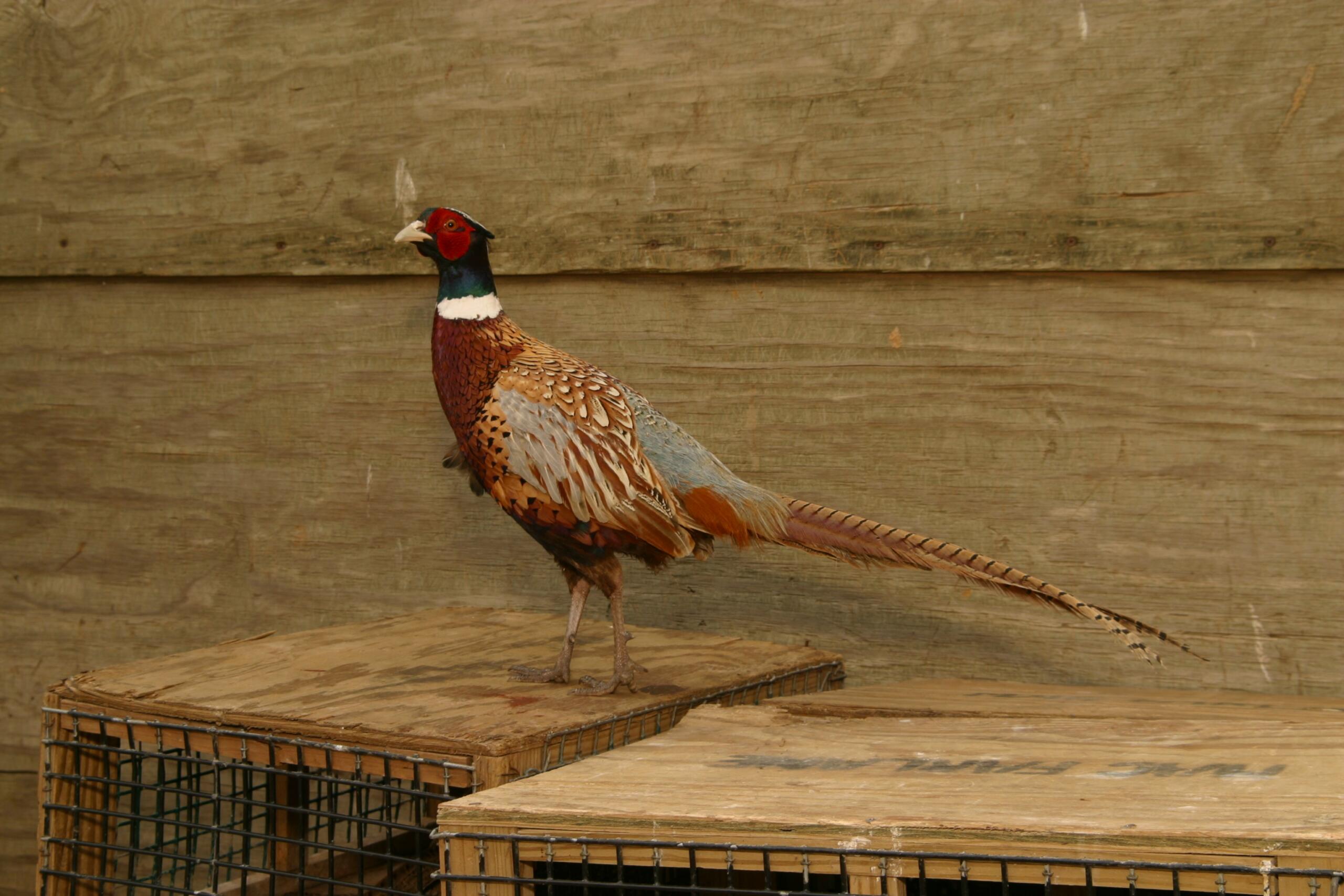
DuPont Financial Analysis Model
Read Post
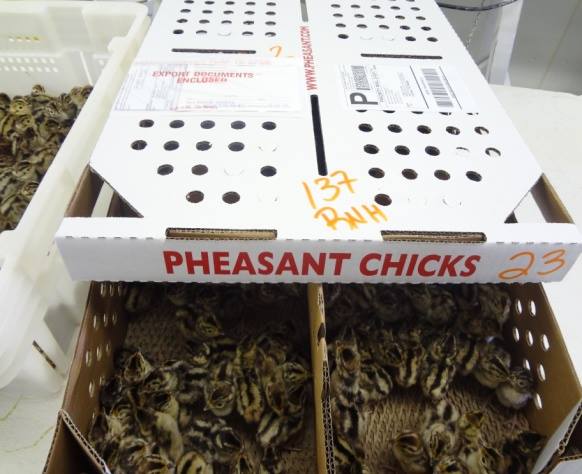
Post Office Tells FedEx to Start Carrying Live Animals
Read Post
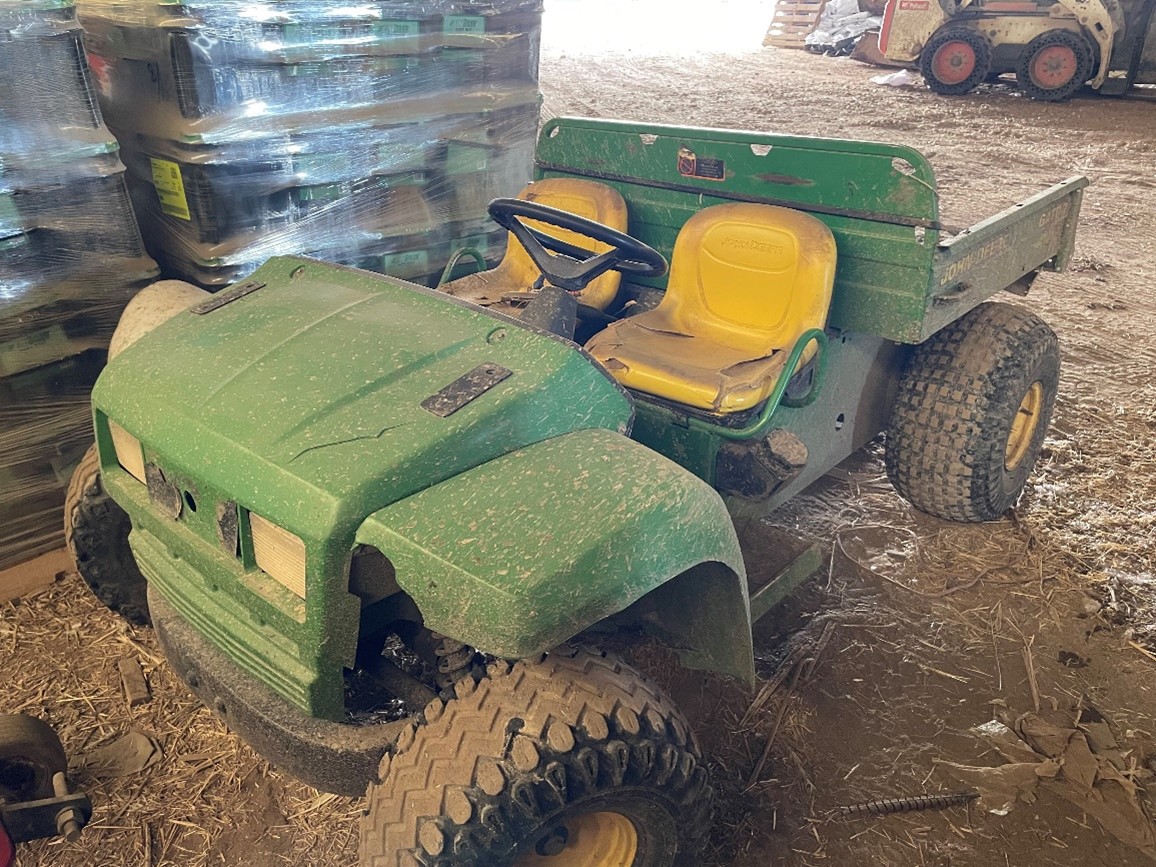
MacFarlane Pheasants is Using 4-Wheelers for Farm Upkeep
Read Post
How We Winterize at Our Milton Farm
Read Post
WI Storms and MacFarlane Pheasants
Read Post
Take Advantage of These Free Resources
As the biggest game bird farm in the United States, we want to share our experience with you. Download our free resources below and get started.