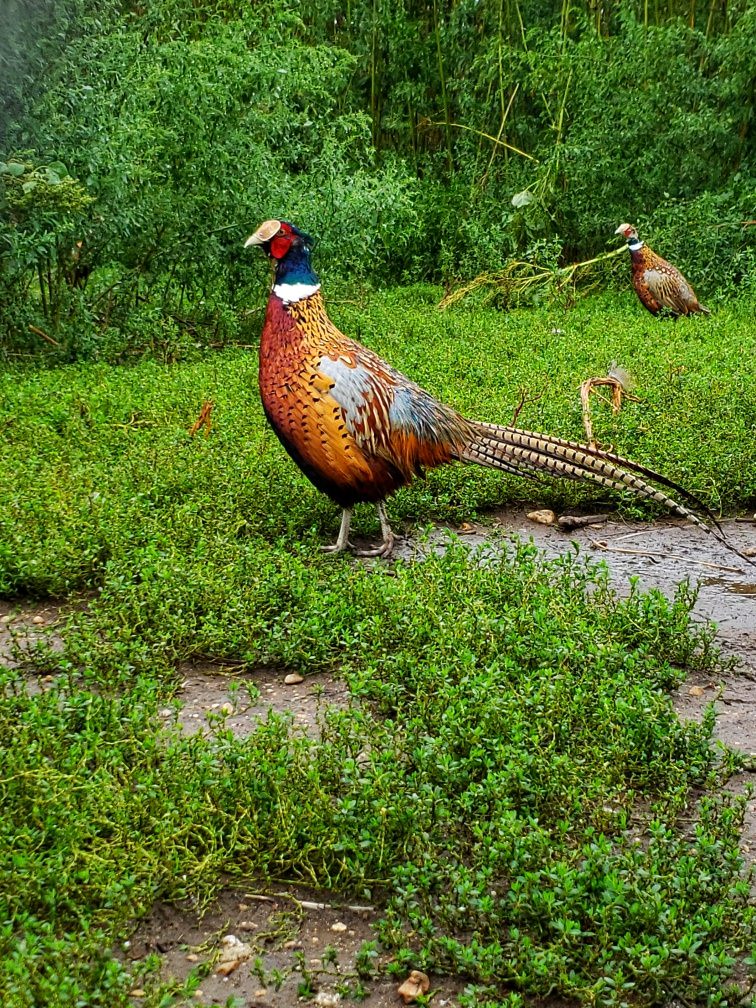
Every Bird Counts: Catching Escaped Pheasants On The Farm
MacFarlane Pheasants may be the largest pheasant farm in the United States, but we’re far from just an industrial bird factory. Our founders are hunters themselves, and that individual experience [...]
Read Post
The Afghan-Whitewing Pheasant
The Afghan-Whitewing is a breed of pheasant that we first discovered in Washington State. A farmer had a flock of these pheasants, and we were able to purchase a small [...]
Read Post
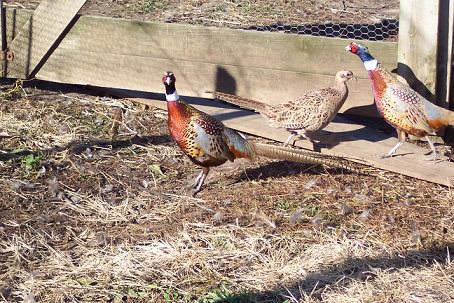
Catching Mature Pheasants
We have grown our reputation primarily on the sale of live pheasants and partridges to hunt clubs around the nation for release. We have systems in place for every phase [...]
Read Post
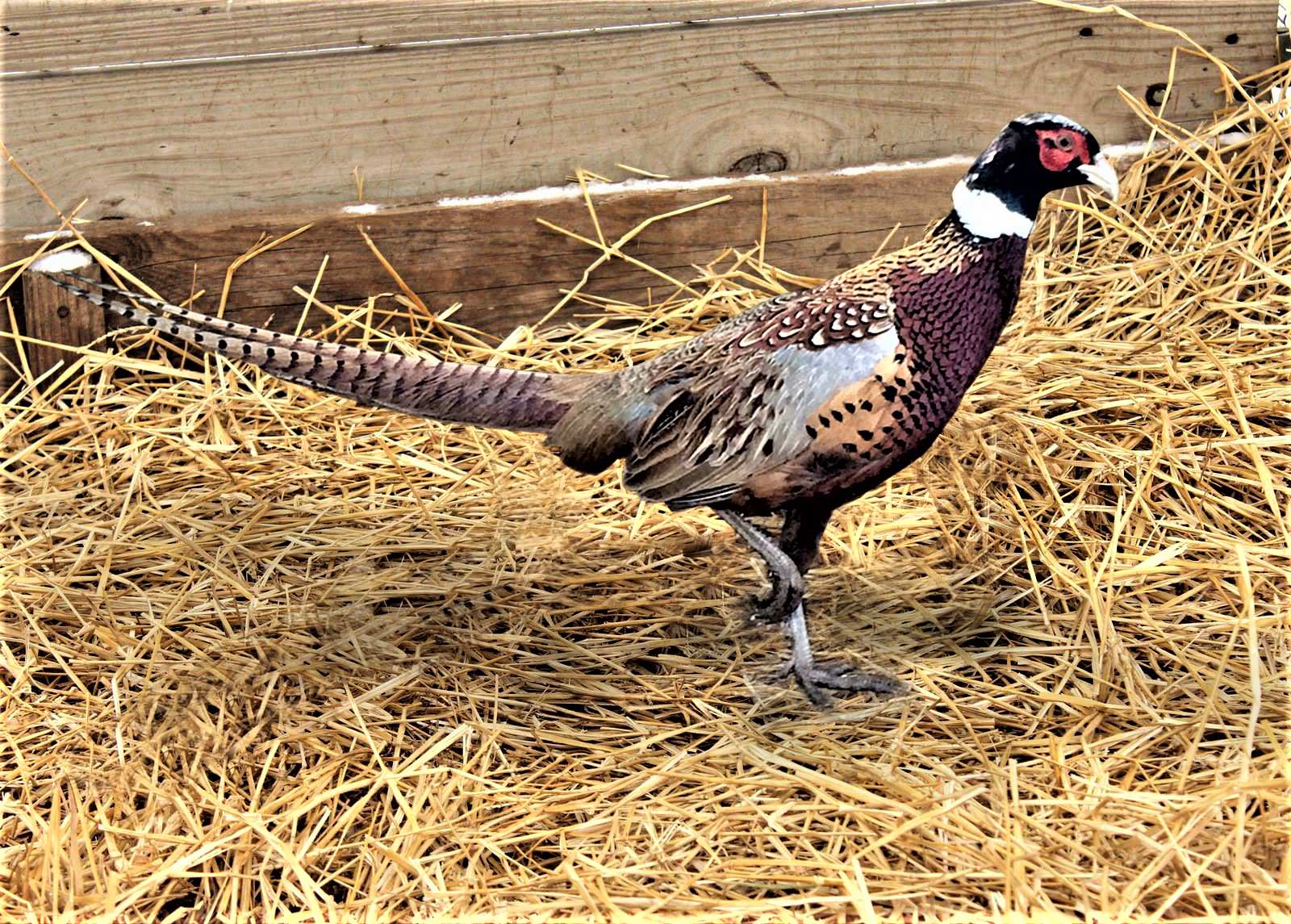
Turkeys vs Pheasants
Here in Wisconsin, we have entered into the spring turkey-hunting season. Hunters can register for weeks ranging anywhere from the beginning of April thru the end of May. This got [...]
Read Post

Penning-In the Hungarian Partridge
At MacFarlane Pheasants, we don’t raise the same old pheasants as other farms, and we don’t build all our outdoor pens the same. We used to raise Hungarian partridges and [...]
Read Post
Moving on Up: Transitioning Juvenile Pheasants to the Great Outdoors
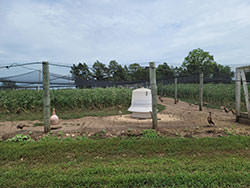
After three weeks in the “A” room and four weeks in the “B” room, the former MacFarlane Pheasant chicks are now juveniles and ready to be transferred to outdoor pens. [...]
Read Post
Pheasants are Tough
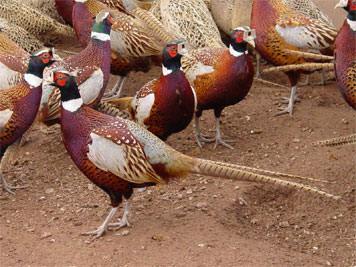
Temperatures here have been colder the past 2 days than we have had for 20 years. It’s been as low as -18 F (that is the actual temperature, not the [...]
Read Post
Differences between Hungarian and Chukar Partridges
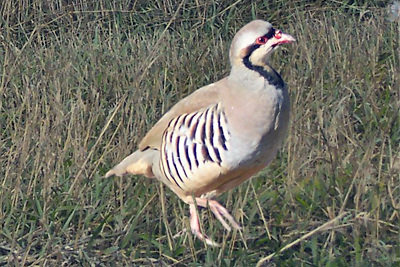
Hungarian Partridge The Hungarian partridge is more commonly known as a Grey Partridge, familarly called "huns". It can grow up to 28-32 cm long and has a brown back, grey [...]
Read Post
Regrowth Tails
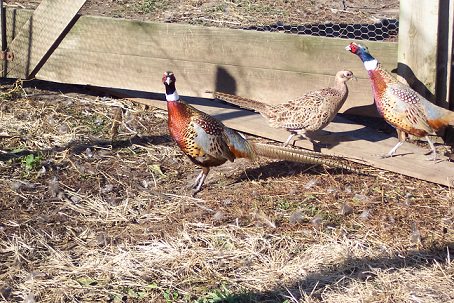
We know what management protocols generally work for the top quality of raising pheasants. We know the density (sq. ft. per bird), the feeder space and waterer space per bird. We [...]
Read Post
New “Bird” on the Block – Kansas Thunder
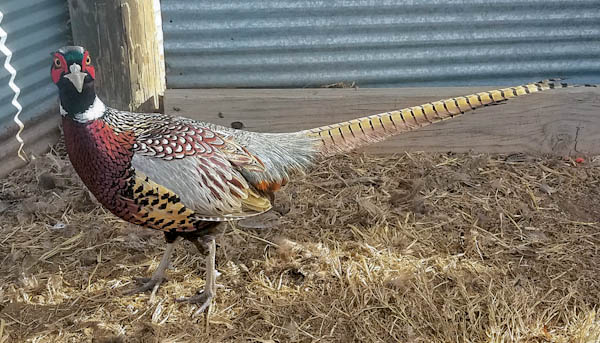
At MacFarlane Pheasants, Inc. we strive to be the most progressive and innovative pheasant farm in the world. Our success in market birds throughout the world has been tied to [...]
Read Post
Why Do Pheasants Pick?
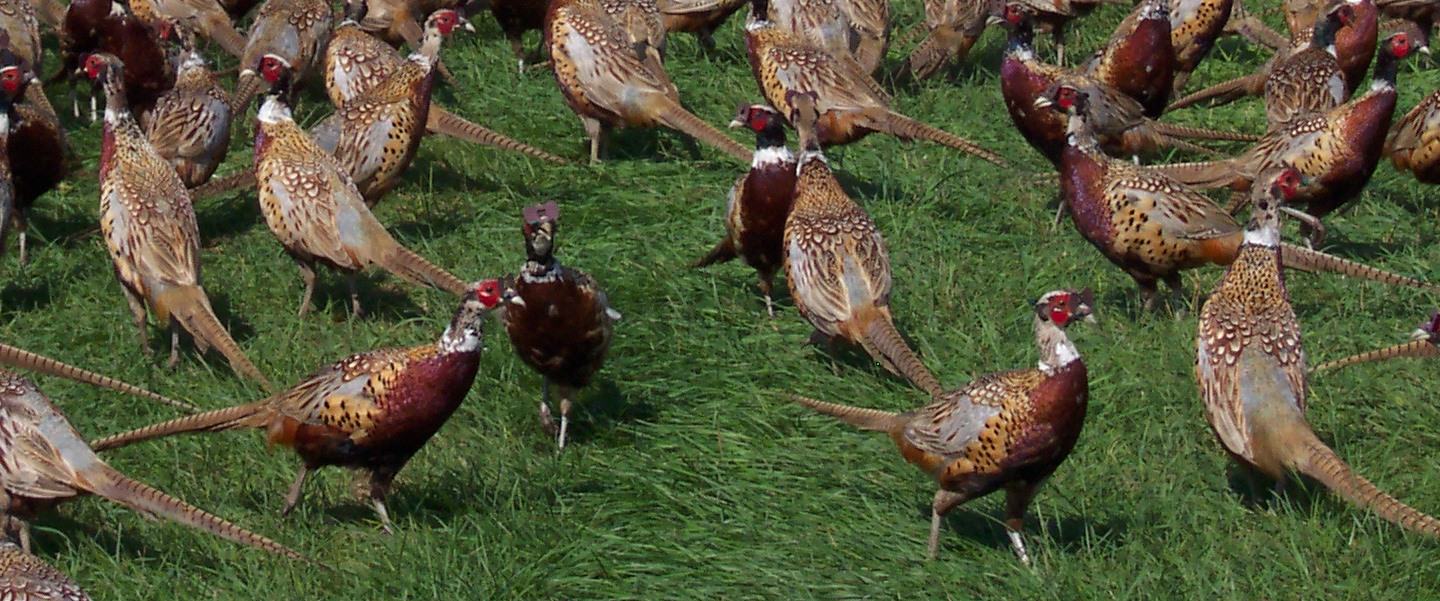
Over the years I’ve heard lots of stories and rationalizations why pheasants pick. I am going to just lay out all the things I’ve heard and then give you my [...]
Read Post
Can Goats Be Helpful on a Pheasant Farm?
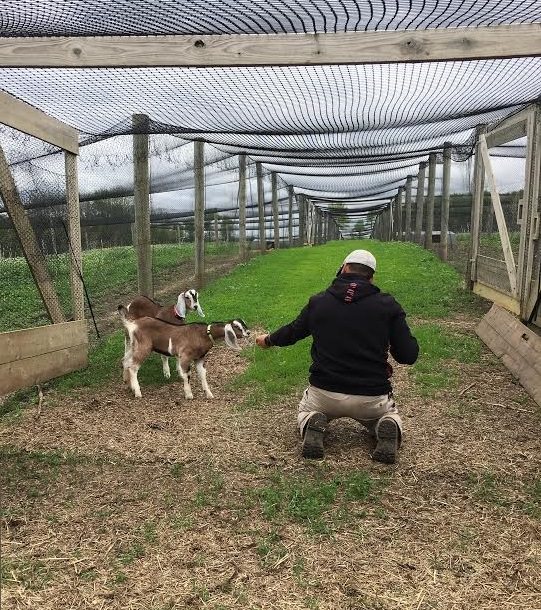
Trudy DeRemer, MacFarlane Pheasants, Inc Center Farm Manager, brought these adorable goats to the Center Farm on May 18, 2019. They were born on April 1, 2019. Trudy got these [...]
Read Post
Transitioning Pheasants From Brooder Barns to Flight Pens
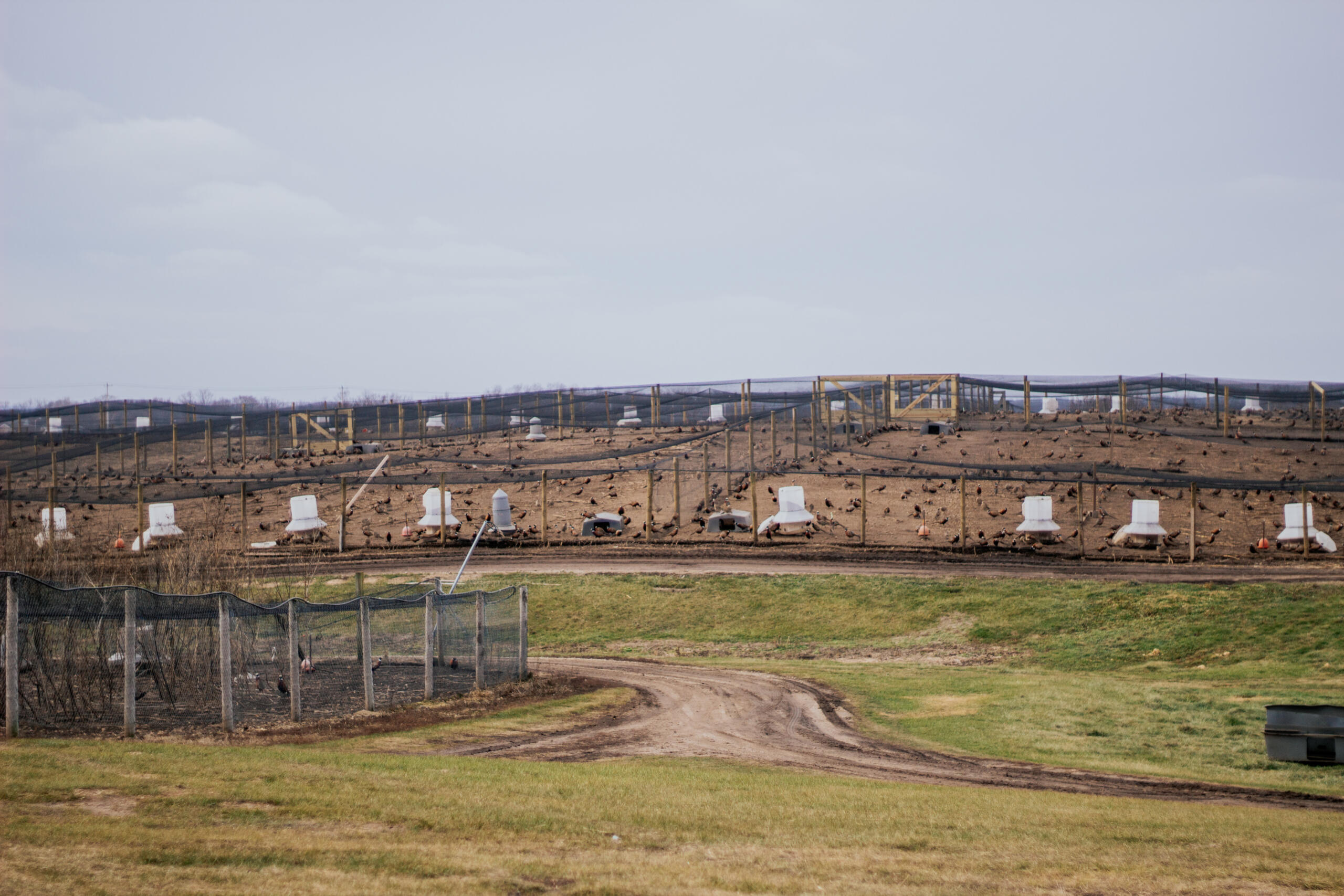
Transitioning pheasants from the brooder barn to the flight pen can be a difficult and frustrating experience. We have come up with a recipe, if you will, on how to [...]
Read Post
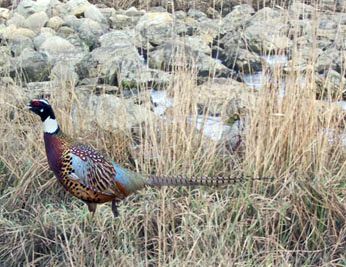
Manchurian Cross Pheasants, Exclusively MacFarlane’s
It is with pride that we have followed the success of our Manchurian Cross pheasants across the United States, Canada and in Europe. We hatched approximately three hundred thousand (300,000) Manchurian Cross [...]
Read Post
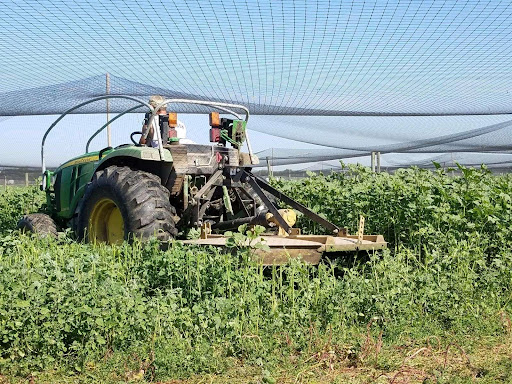
Mowing Is A Must! Pheasants Need Open Space To Get Sunlight, Warm Up, And Dry Off
At six to seven weeks of age, pheasants are moved from the brooder barn into flight pens. They live in these flight pens until they are shipped, around twenty-two weeks of [...]
Read Post
Tail Length and Genetics
Years ago there was a wide variance in mature pheasant feathering quality between growers. It was common for some pheasant raisers to over-crowd their birds and therefore produce birds with [...]
Read Post
A New Bird in the Flock – the French Redleg Partridge
The red-legged partridge is a game bird in the partridge family sometimes known as French Partridge or simply as Redleg Partridges. Bred for centuries on gamebird farms in France and [...]
Read Post
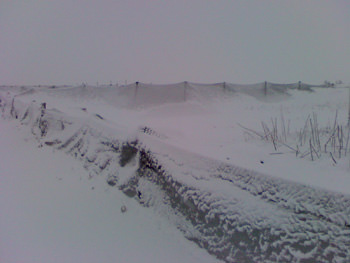
Let Them Eat Snow
November has been very kind to us – weather wise. We have over 100,000 pheasants on the farm – outside in the pens. Once we reach late October and then [...]
Read Post