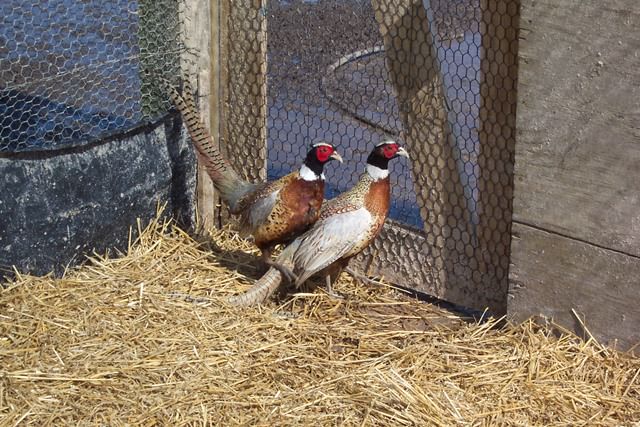
Why Can’t I own Birds if I Work at MacFarlane Pheasants?
Health and safety are topics that are always at the forefront of our planning at MacFarlane Pheasants. Health and safety go hand in hand with biosecurity. That is why it [...]
Read Post
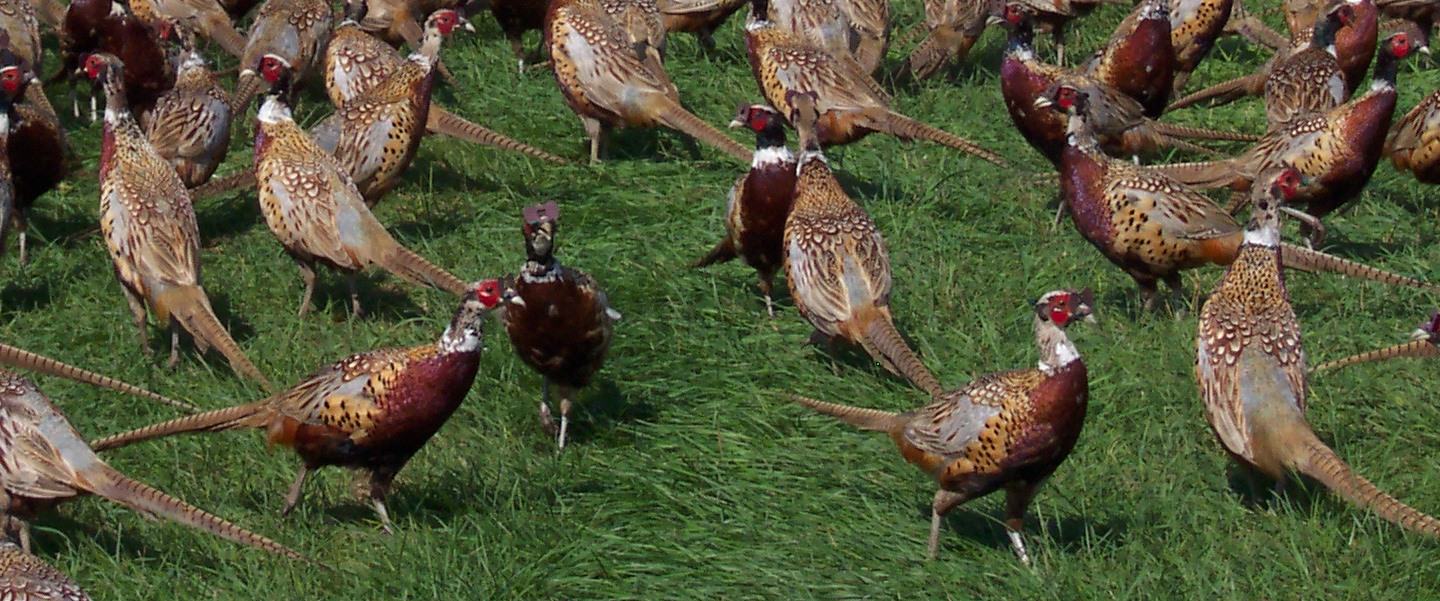
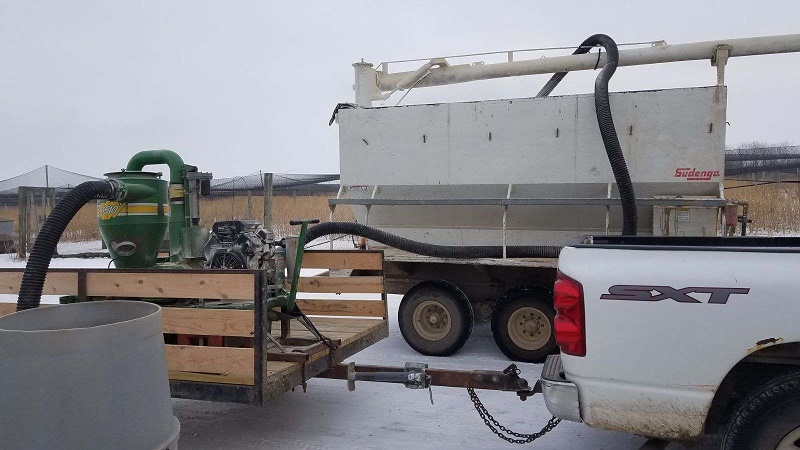
Who Benefits from Our Feed Truck?
The feed truck pictured here, has been in use for about a year now at MacFarlane Pheasants. In the past we had feed delivered from a third-party vendor. The feed [...]
Read Post
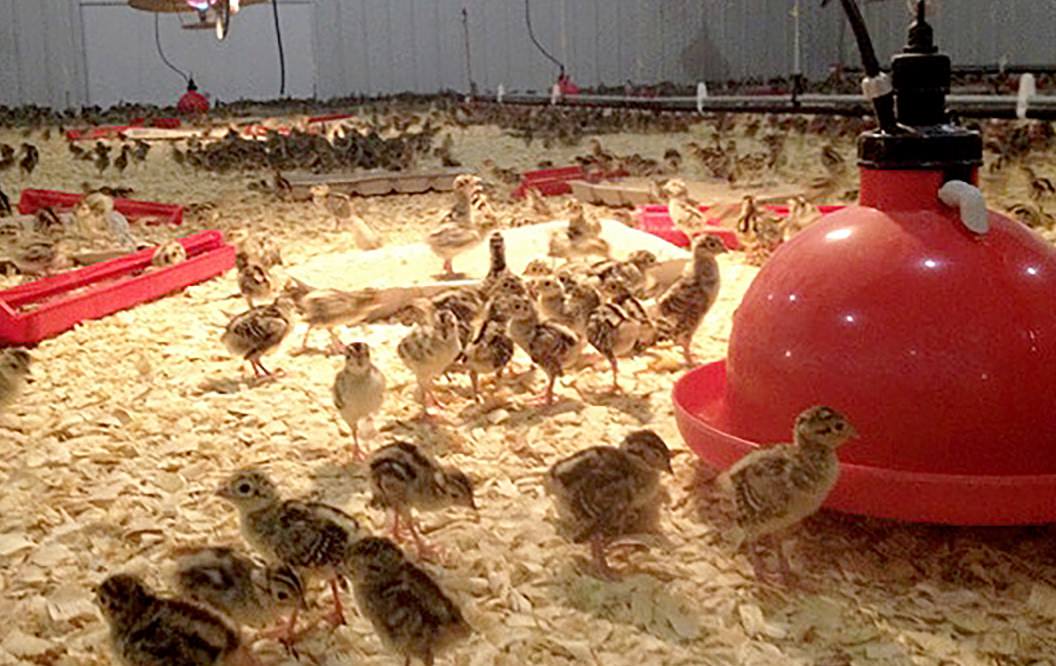
What Does It Take to Sanitize 21 Brooder Rooms?
Yep, you heard it right! We have 21 brooder rooms in our Brooder Department. We spend quite a bit of time keeping our rooms in perfect condition. The cleaning and [...]
Read Post
How to Protect Pheasants From Wild Birds and Ground-Dwelling
Predators The protection of our pheasants and the other gamebirds we raise is a high priority at MacFarlane Pheasants, Inc. Wild birds are a hazard we can’t afford to ignore! [...]
Read Post
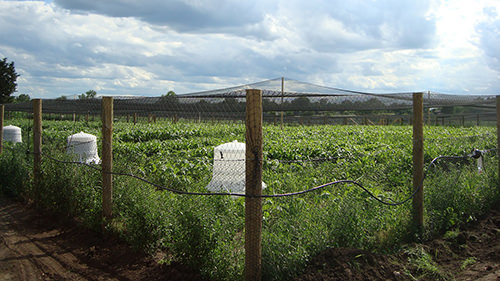
Keeping Wild Birds off of Game Farms
MacFarlane Pheasants has over 150 acres of netted covered pens. When you are dealing with this much land, you can expect to have a few furry or feathered visitors! Keeping [...]
Read Post
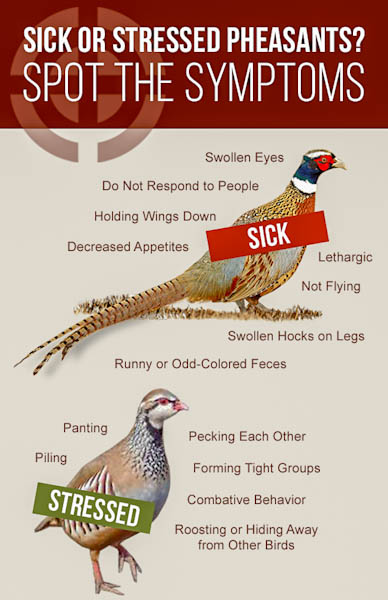
Signs of Sickness or Stress in Birds
MacFarlane Pheasants is proud of our humane treatment of birds and our strict biosecurity practices. It is important to recognize the signs of sickness and stress in our birds. Higher [...]
Read Post
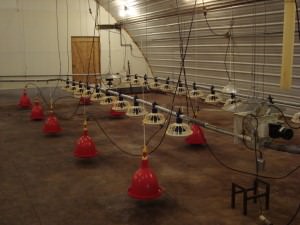
Disinfecting Barns
We are constantly rotating birds out of barns, and chicks into those barns to then be transitioned to the outdoors. Everything has to be cleaned, washed, dried, disinfected and then [...]
Read Post
Cleaning Out Barns After Pheasants
After the last bird is out of the barns, we have to clean. It’s important because it makes sure bacteria doesn’t spring up. Here’s how we do it. Once the [...]
Read Post
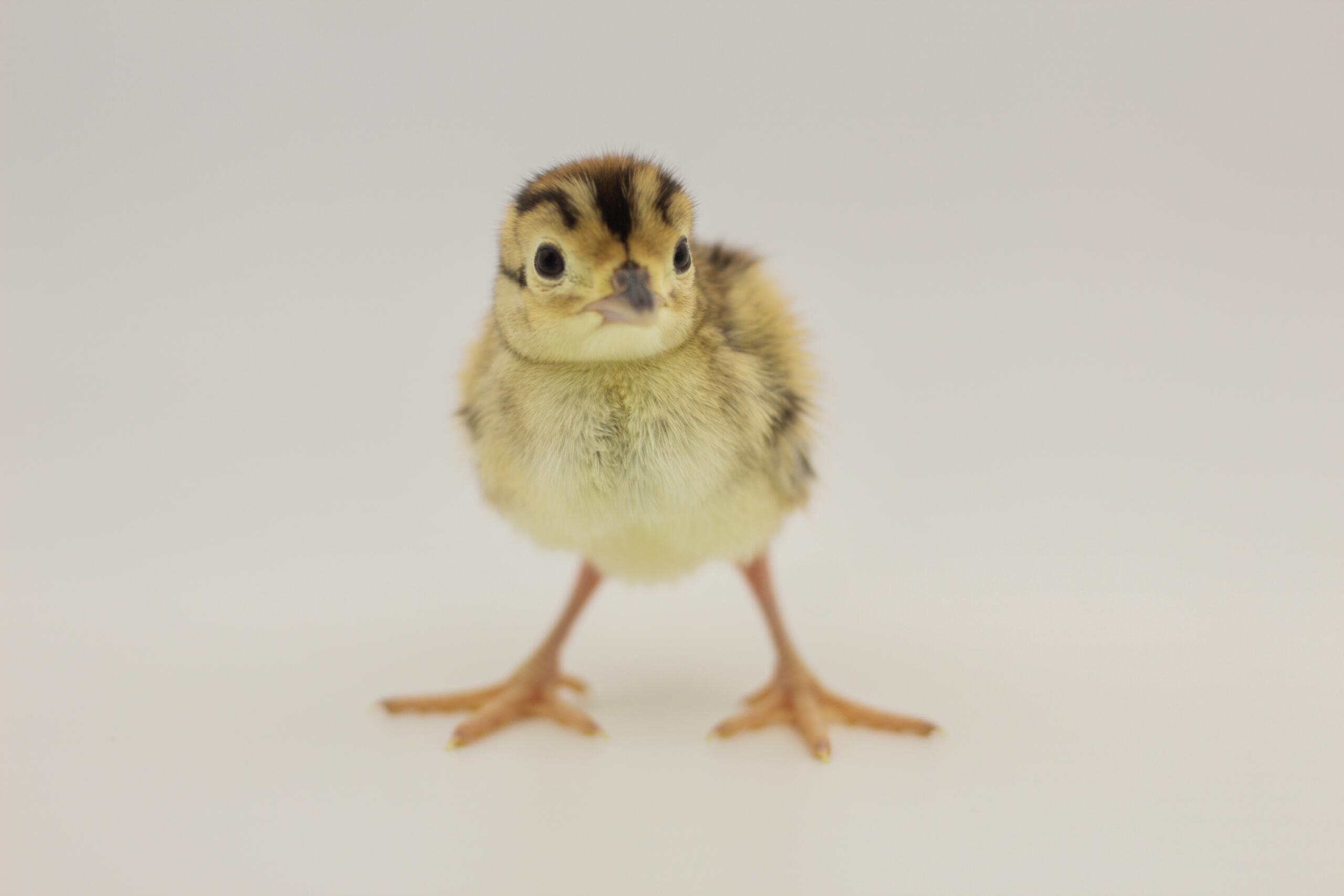
Where Do Baby Pheasant Chicks Come From?
At MacFarlane Pheasants, we’re proud to be the largest day-old pheasant chick and gamebird supplier in the U.S. What goes into delivering pheasant chicks? Hatchery Manager and Propagation Coordinator Ben [...]
Read Post

Our Visit to a Chinese Pheasant Farm
Our March seminar was attended by two representatives from the Shanghai Hongyan Pheasant Farm. One of the two attendees, Miss Yuan then invited us to visit their farm in China. [...]
Read Post
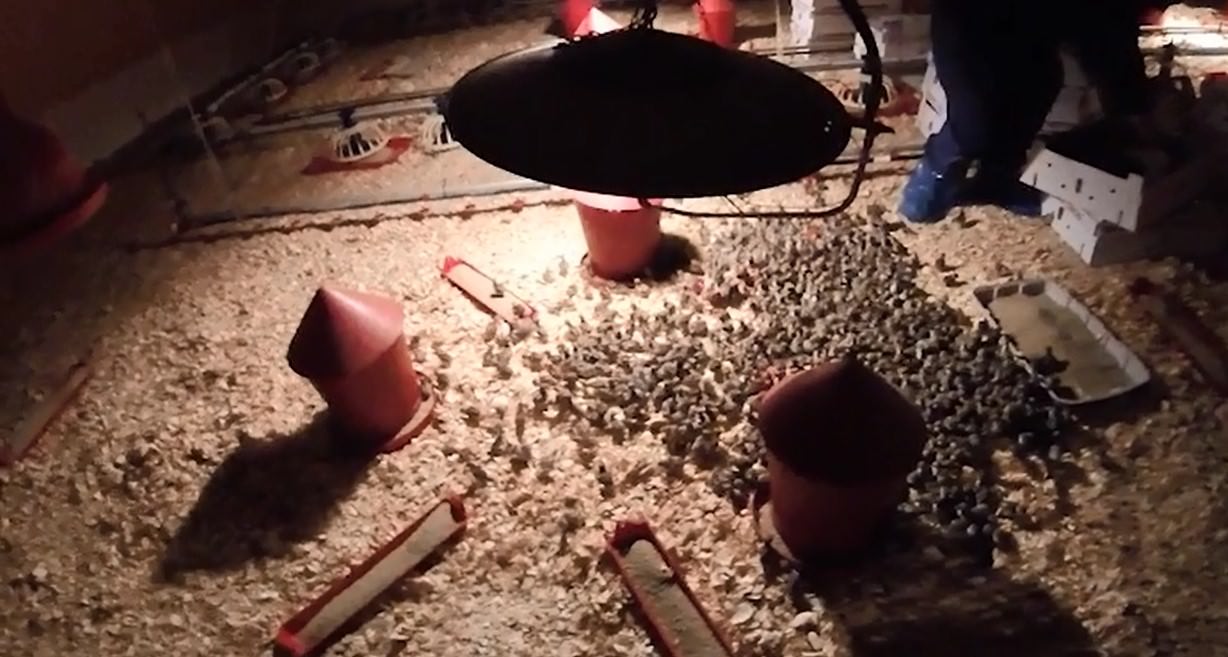
Interpreting Water Results
By Dr. Susan Watkins Interpreting Your Microbial Analysis This information sheet is to help you to interpret the results of your recent microbial analysis of poultry drinking water and/or well [...]
Read Post

MacFarlane Pheasants Funds MC Research
Three species of Mycoplasma can cause diseases in birds: M. gallisepticum (MG), M. melleagridis (MM), and M. synoviae (MS). A fourth species, M. iowae, often considered an avian pathogen, is [...]
Read Post
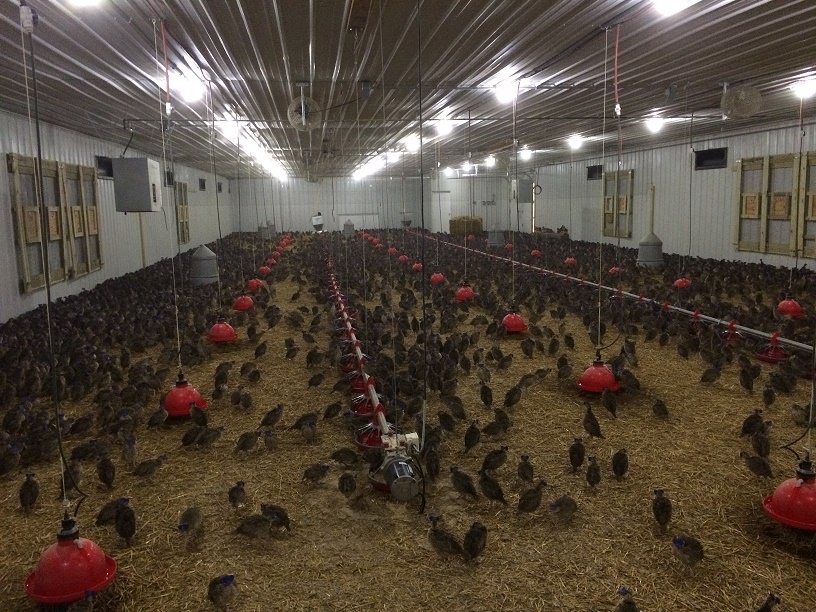
Preventing Aspergillosis in Pheasant Barns
Aspergillosis can be a very devastating disease to a young flock. Aspergillosis is caused by the mold Aspergillosis fumigates that can be found in both bedding and feed. If there [...]
Read Post
Avian Influenza and the Gamebird Industry
Whether you are a veterinarian, doctor, poultry man, gamebird producer or just a person who heard the news that came out of Asia during 2003 and 2004, Avian Influenza (AI) [...]
Read Post
Coccidia Management
Coccidia is almost universally present in poultry raising operations. A decreased growth rate, high percentage of visibly sick birds, severe diarrhea, high mortality, and finally depressed feed and water consumption [...]
Read Post
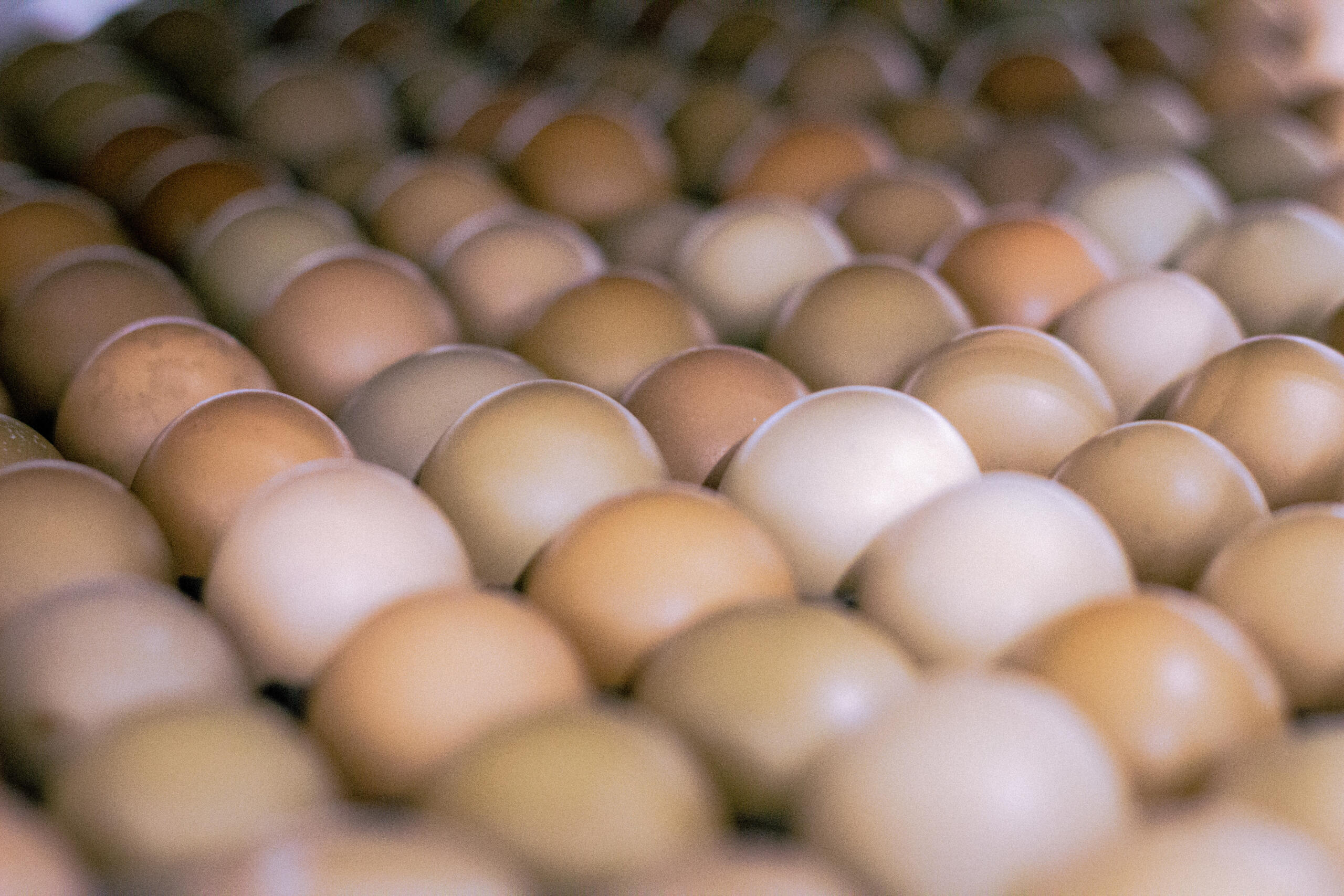
Incubation of Pheasant Eggs
Presented by: Vern L. Christensen Department of Poultry Science North Carolina State University See full PowerPoint presentation here The final destination of the properly managed fertilized pheasant egg is the [...]
Read Post